Why Zambia's Future Depends on Practical Skills, Not Just Degrees
OpinionBy Guest Contributor
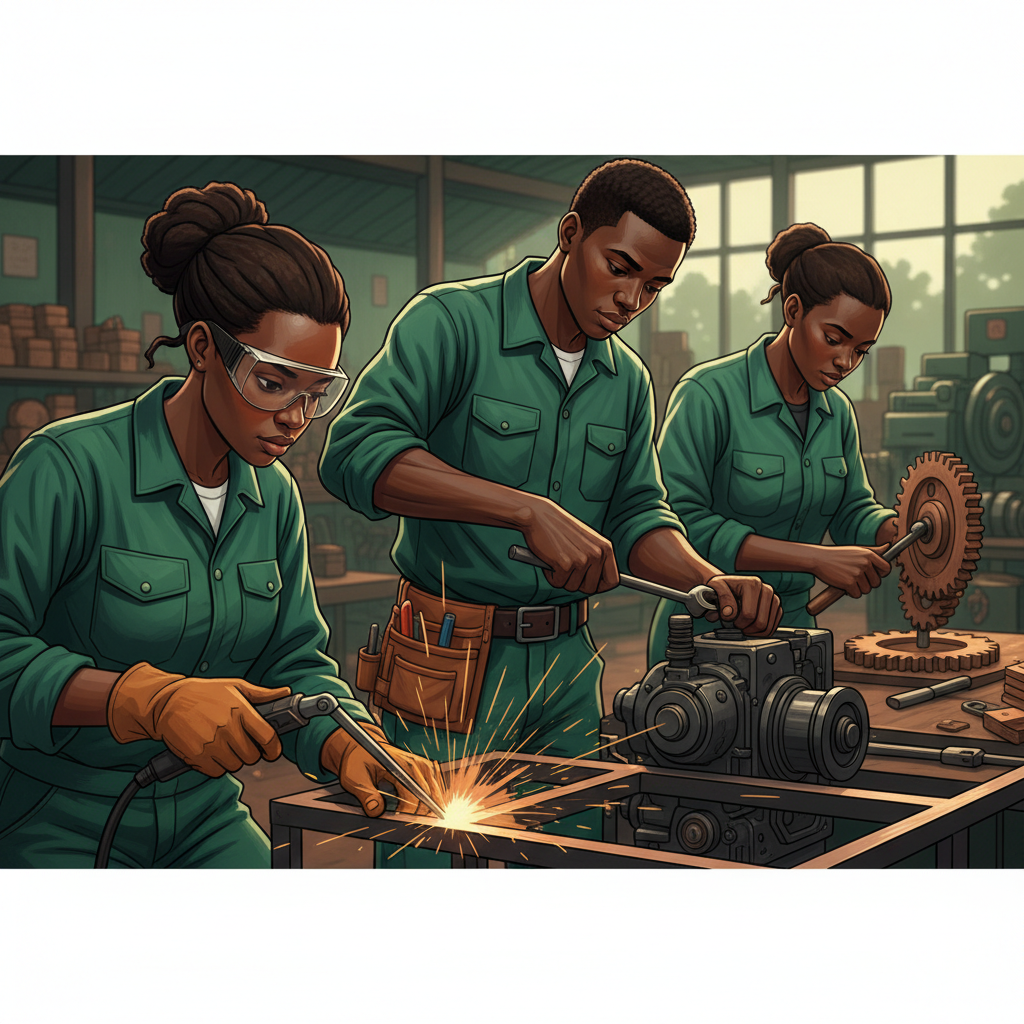
Just last week, I visited a bustling carpentry workshop in Matero, a place brimming with ingenuity and practical skill. I watched a young man, no older than my own son, expertly shaping a piece of timber into a beautiful chair, his hands moving with a confidence that few university graduates I know possess in their chosen fields. This encounter, like many others I've had across our beloved Zambia, crystallised a growing concern: are we truly equipping our young people for the future, or are we inadvertently setting them up for disillusionment? For too long, our education system has, perhaps unconsciously, prioritised theoretical knowledge and academic degrees over the practical skills that are the bedrock of a thriving economy. We celebrate the university graduate, often overlooking the equally vital artisan, technician, or entrepreneur whose hands-on expertise keeps our nation moving. I believe this imbalance is not just a missed opportunity; it's a systemic flaw that contributes significantly to youth unemployment and hinders our national development agenda. We must urgently reform our education system to bridge the chasm between academic learning and the tangible needs of our industries. Consider the evidence. Our universities churn out thousands of graduates annually, many with degrees in fields that have limited immediate demand in our local economy. Simultaneously, industries, from mining to agriculture to manufacturing, consistently report shortages of skilled welders, mechanics, electricians, IT specialists, and even proficient agricultural extension workers. A recent report by the Zambia Qualifications Authority highlighted this mismatch, noting that many employers find graduates lacking the practical, problem-solving skills required for entry-level positions. This isn't a failure of our youth; it's a failure of a system that hasn't adapted to the realities of a 21st-century economy. My proposal is not to diminish the value of higher education, but to re