DR Congo neighbors boost preparedness as Ebola cases surge
HEALTHBy Kathy Short — DW (English)
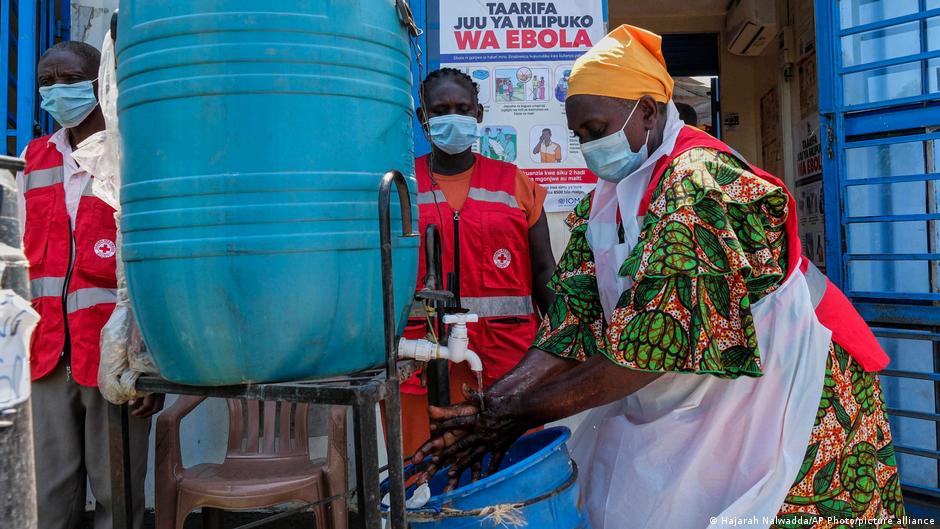
LUSAKA – Zambia has ramped up its national preparedness and response mechanisms against the Ebola Virus Disease (EVD) as a severe outbreak continues to escalate in the neighbouring Democratic Republic of Congo (DRC). The move comes amidst growing regional concerns over the potential for cross-border transmission, with Uganda and Rwanda also bolstering their defenses. The current outbreak, caused by the Bundibugyo strain of Ebola, was confirmed in the DRC in May 2026 and has since spread, prompting the World Health Organization (WHO) to declare it a Public Health Emergency of International Concern. Authorities in Zambia, through the Ministry of Health and the Zambia National Public Health Institute (ZNPHI), have activated comprehensive emergency plans, focusing on critical points of entry and heightened surveillance. Dr. Naeem Dalal, Assistant Director for Preparedness and Response at ZNPHI, confirmed that prevention measures have been reinforced nationwide. These include mandatory face mask usage, frequent handwashing with soap and water, and extensive disinfection protocols. While Zambia has yet to record any confirmed Ebola cases, its extensive border with the DRC and significant population movement across these frontiers necessitate a proactive stance to mitigate risk. The preparedness efforts extend beyond basic hygiene, encompassing rigorous screening at border crossings, training of front-line health workers, and strengthening of isolation and treatment facilities. The World Health Organization has actively supported Zambia's readiness, recently handing over critical supplies such as personal protective equipment (PPE), laboratory reagents, and infection prevention and control materials. These donations are vital for protecting healthcare workers and enhancing diagnostic capabilities for early detection. The government has also conducted readiness assessments and simulation exercises to identify and address operational gaps, ensuring a coordinated and effect