DRC's neighbors boost preparedness as Ebola cases surge
HEALTHBy Kathy Short — DW (English)
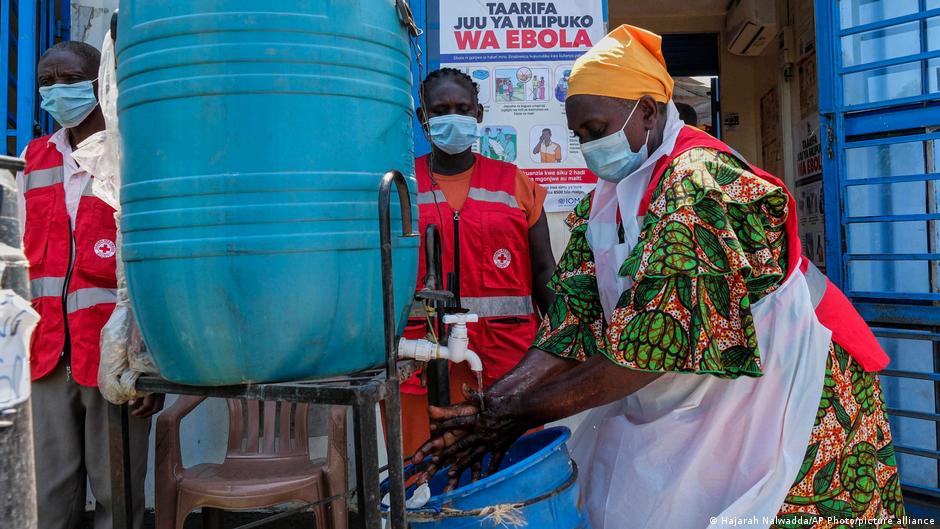
LUSAKA – Zambia has significantly ramped up its public health preparedness in response to a escalating Ebola outbreak in the neighbouring Democratic Republic of Congo (DRC), joining Uganda and Rwanda in a concerted regional effort to contain the deadly virus. With the DRC reporting a surge in cases and fatalities, and the World Health Organization (WHO) warning that actual numbers could be substantially higher, Zambia's proactive measures are crucial to safeguarding its population and preventing cross-border transmission. Authorities in Lusaka have implemented stringent health screenings at key points of entry, particularly along the extensive border shared with the DRC. This includes thermal screening and comprehensive health questionnaires for travellers. Dr. Naeem Dalal, Assistant Director for Preparedness and Response at the Zambia National Public Health Institute (ZNPHI), confirmed that nationwide prevention measures have been reinforced. These include the activation of infection prevention and control protocols, mandating disinfection, face mask usage, and handwashing with soap and water. The Ministry of Health has placed six out of Zambia's ten provinces under heightened surveillance, reflecting the significant risk posed by the high volume of cross-border movement for trade and social reasons. Beyond border controls, Zambia's strategy involves strengthening its public health infrastructure and human resources. Frontline health workers are undergoing specialized training in Ebola detection, management, and infection control, ensuring they are equipped to handle potential imported cases. The ZNPHI, in collaboration with partners like the WHO and Save the Children, has been instrumental in conducting simulation exercises, enhancing laboratory diagnostic capacities, and expanding community awareness campaigns. Critical supplies, including personal protective equipment (PPE) and laboratory reagents, have been acquired to support these efforts. This comprehensiv