Zambia’s Bumper Grain Harvest Masks Deepening Risk From Middle East Conflict
BUSINESSBy Zambian Agribusiness — Zambian Agribusiness
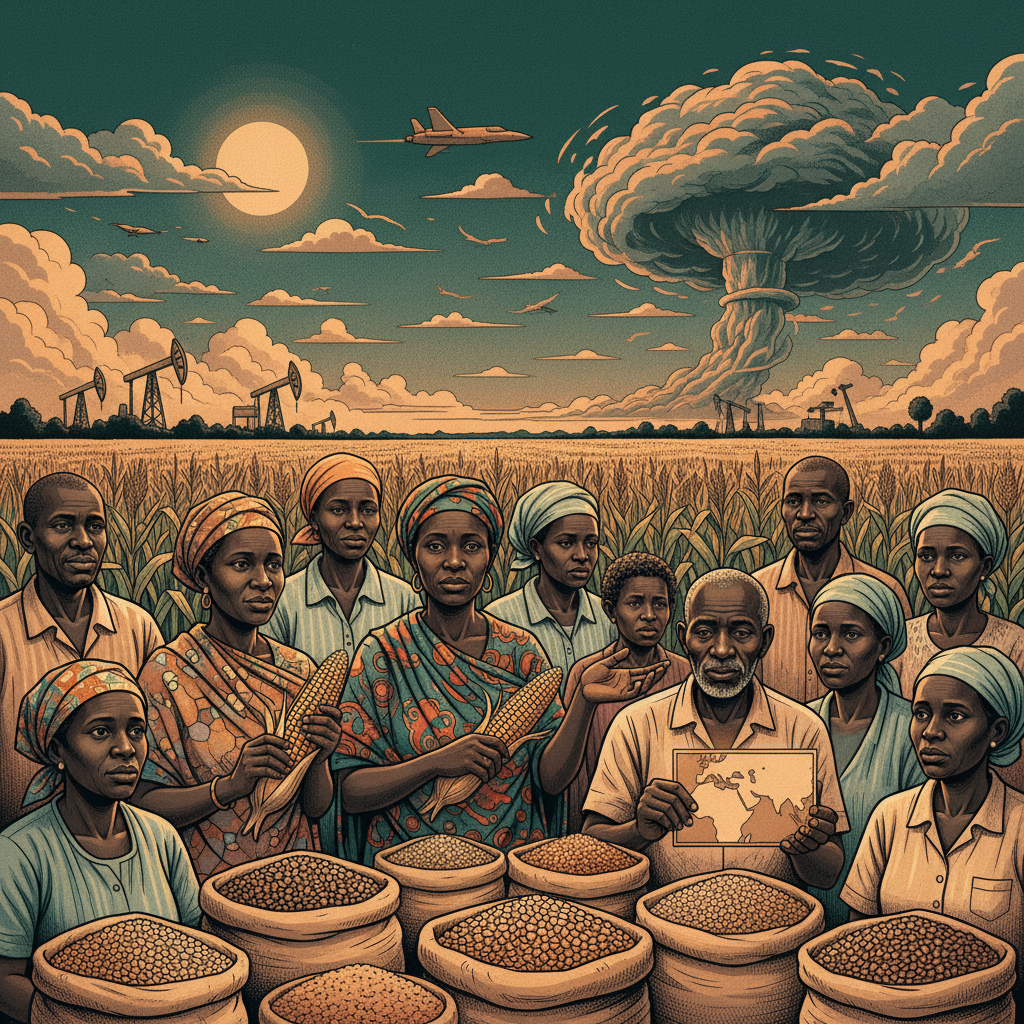
Lusaka, Zambia – While Zambia celebrates a commendable bumper harvest this season, offering a much-needed respite from persistent food inflation, a looming shadow cast by escalating geopolitical tensions in the Middle East threatens to unravel these gains. The conflict, far from Zambia's borders, exposes deep-seated structural vulnerabilities within the continent's agricultural supply chains, potentially reigniting price hikes and jeopardizing the nation's hard-won food security. This precarious situation underscores the interconnectedness of global events and their immediate impact on local economies, even those experiencing agricultural abundance. The current Middle East conflict, with its potential to disrupt vital shipping lanes and inflate global energy prices, directly impacts Zambia's agricultural sector. Farmers, despite their successful yields, remain heavily reliant on imported inputs such as fertilisers, fuel for machinery, and pesticides. Any significant increase in the cost of crude oil or disruptions to maritime trade routes would inevitably translate into higher operational costs for Zambian farmers, subsequently driving up the price of locally produced food. This inflationary pressure could quickly negate the benefits of a robust harvest, placing an undue burden on ordinary Zambian households already grappling with economic challenges. Furthermore, Zambia's aspirations for regional food security and its role as a potential breadbasket for Southern Africa could be undermined. If global commodity prices surge, the incentive to export surplus grain might increase, potentially reducing domestic availability and pushing up local prices. Conversely, if regional markets are also affected by similar inflationary pressures, the anticipated export revenues might not fully materialise, impacting the national treasury. The government's strategic grain reserves, while crucial, may face unprecedented pressure if external shocks persist and local production costs