FAO’s Forest and Farm Facility Project
ENVIRONMENTBy Ulla Setswalo — Zambian Agribusiness
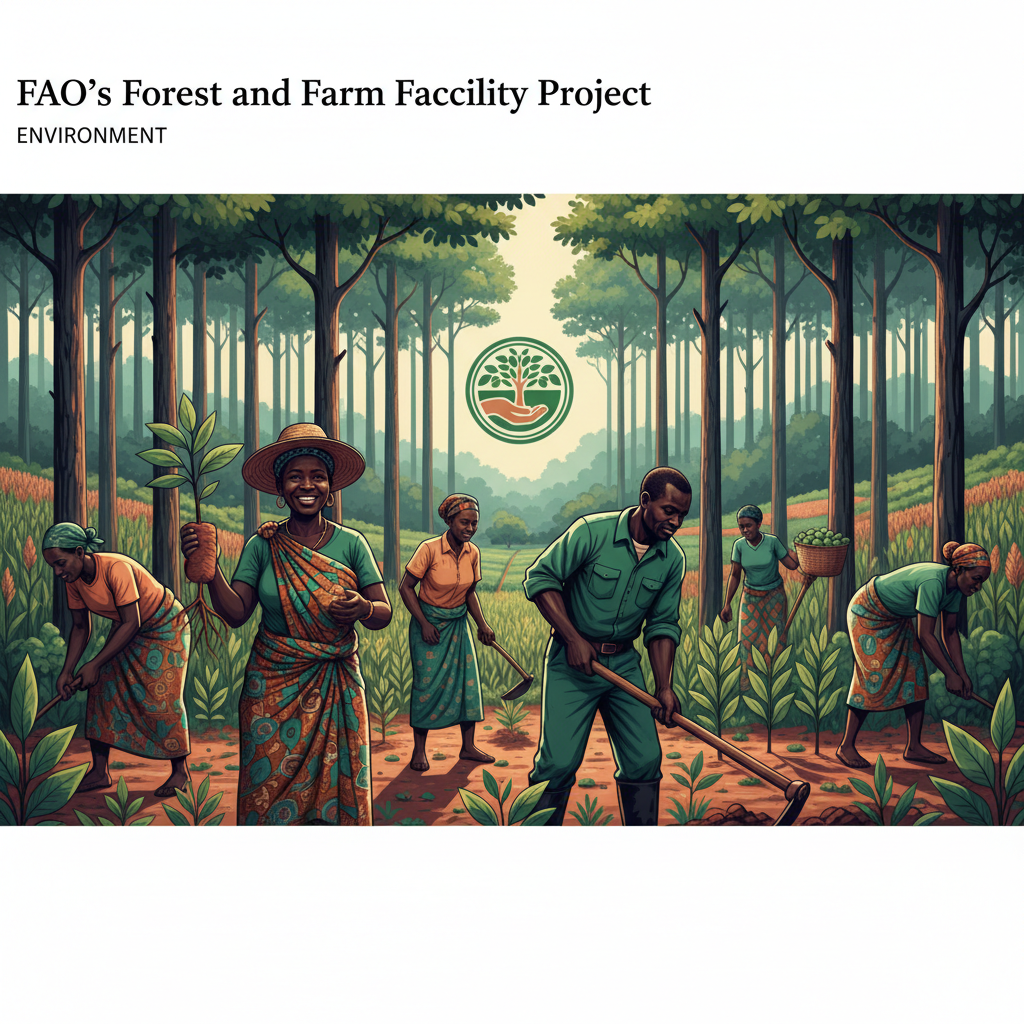
LUSAKA, Zambia – As the Southern African region braces for the anticipated severity of the El Niño weather phenomenon ahead of the 2026/2027 agricultural season, a pioneering grassroots forestry initiative in Zambia's Southern Province is emerging as a beacon of hope and a potential blueprint for climate resilience. This project, spearheaded by the Choma District Tree Nurseries Association with robust backing from the United Nations' Food and Agriculture Organisation (FAO) through its Forest and Farm Facility (FFF) Project, has demonstrated remarkable success in scaling up tree seedling production, offering a tangible defense against the escalating threat of climate change-induced droughts and land degradation. The initiative's core objective is to combat the accelerating land degradation that has historically crippled agricultural productivity and local economies across the Southern African Development Community (SADC) bloc. By empowering local communities, particularly smallholder farmers, to actively participate in seedling production and forest restoration, the project not only addresses environmental concerns but also fosters economic empowerment. Ayman Omer, the FAO's Deputy Regional Representative for Africa, highlighted during a recent visit that the project is clear evidence that community-led forestry enterprises can profoundly transform lives. Testimonies from local participants underscore how seedling production is boosting incomes, creating employment opportunities, and rejuvenating degraded land, even during periods of drought. The Choma association's achievements are particularly impressive, having rapidly escalated its output from an initial 50,000 seedlings to over 300,000. This significant surge has effectively positioned Choma District as a regional epicentre for environmental strategy and education, according to local officials like Ireen Chilundika, a local forestry officer. The FAO is actively promoting this successful model, recognizing its