State house should be regarded as HH’s workplace not his residence-Hamasaka
POLITICSBy Boston Muvwanga — Zambian Observer
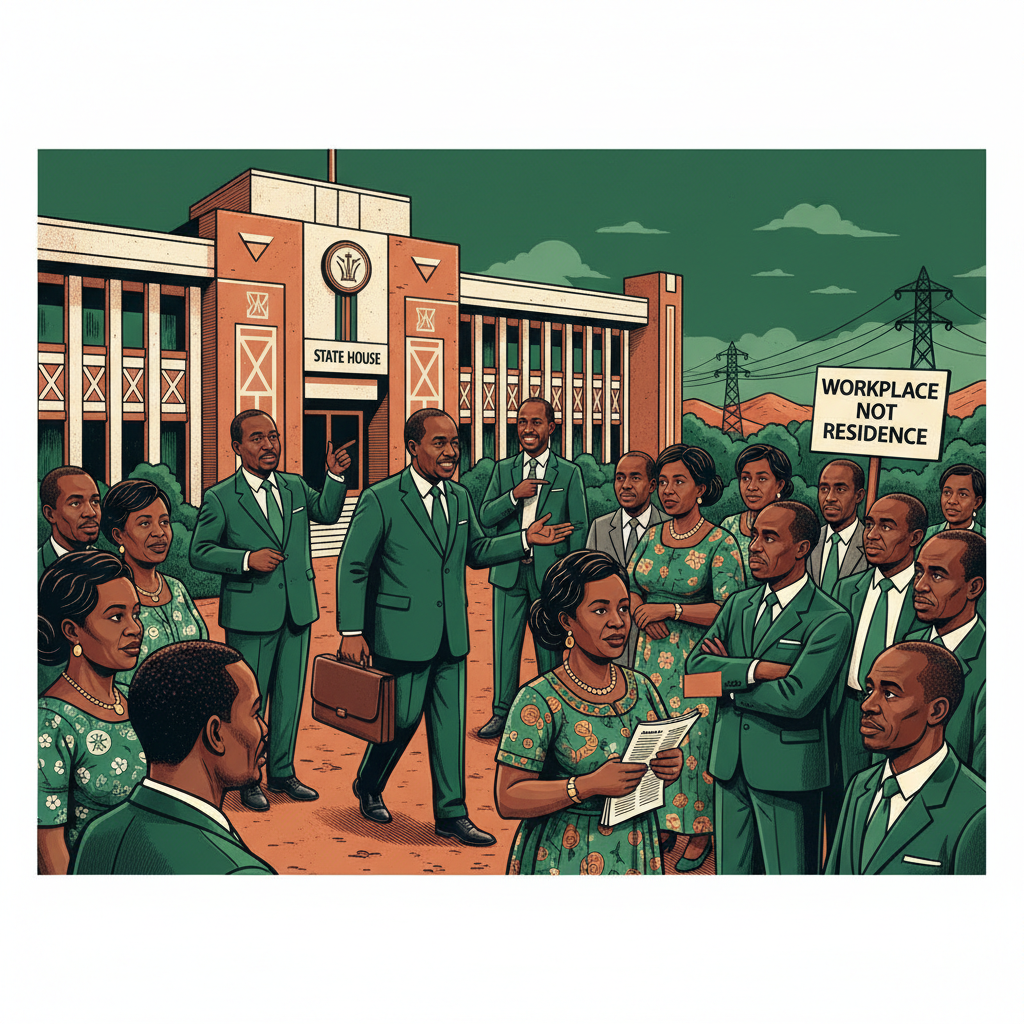
LUSAKA – State House Chief Communications Specialist Clayson Hamasaka has reiterated that Zambia's State House should be regarded fundamentally as the official workplace of the President, rather than a place of personal residence. This clarification by a senior presidential aide seeks to refocus public perception on the primary function of the presidential complex as the nerve centre of national governance. The remarks come at a time when President Hakainde Hichilema continues to operate from his private residence, Community House, a decision that has sparked considerable public debate and even legal challenges since he assumed office in 2021. Historically, State House, originally known as Government House, has served as both the official residence and principal workplace for Zambia's heads of state since independence in 1964. Prior to that, it housed colonial governors of Northern Rhodesia, having been completed in 1934. The sprawling 72-hectare estate in Lusaka's Bimbe area is equipped with extensive facilities, including offices for the President, Vice-President, Cabinet Secretariat, and various key ministries, making it the central hub for executive functions, diplomatic engagements, and state ceremonies. Hamasaka's statement underscores a deliberate shift in the perception and utilisation of State House under the current administration. While previous Zambian presidents, including Kenneth Kaunda, resided within the State House grounds, President Hichilema has opted to maintain his private residence, commuting to State House for official duties. This arrangement, though constitutionally permissible as confirmed by the Constitutional Court in 2023, has frequently been a subject of public discourse and political commentary. The emphasis on State House as a workplace highlights the administration's focus on its functional and institutional significance. It suggests a move away from the traditional symbolism of the presidential palace as an exclusive residential