TONSE ALLIANCE DOES NOT HAVE WHAT IT TAKES TO WIN THIS ELECTION- Chilufya Tayali
POLITICSBy Unknown — Zambian Observer
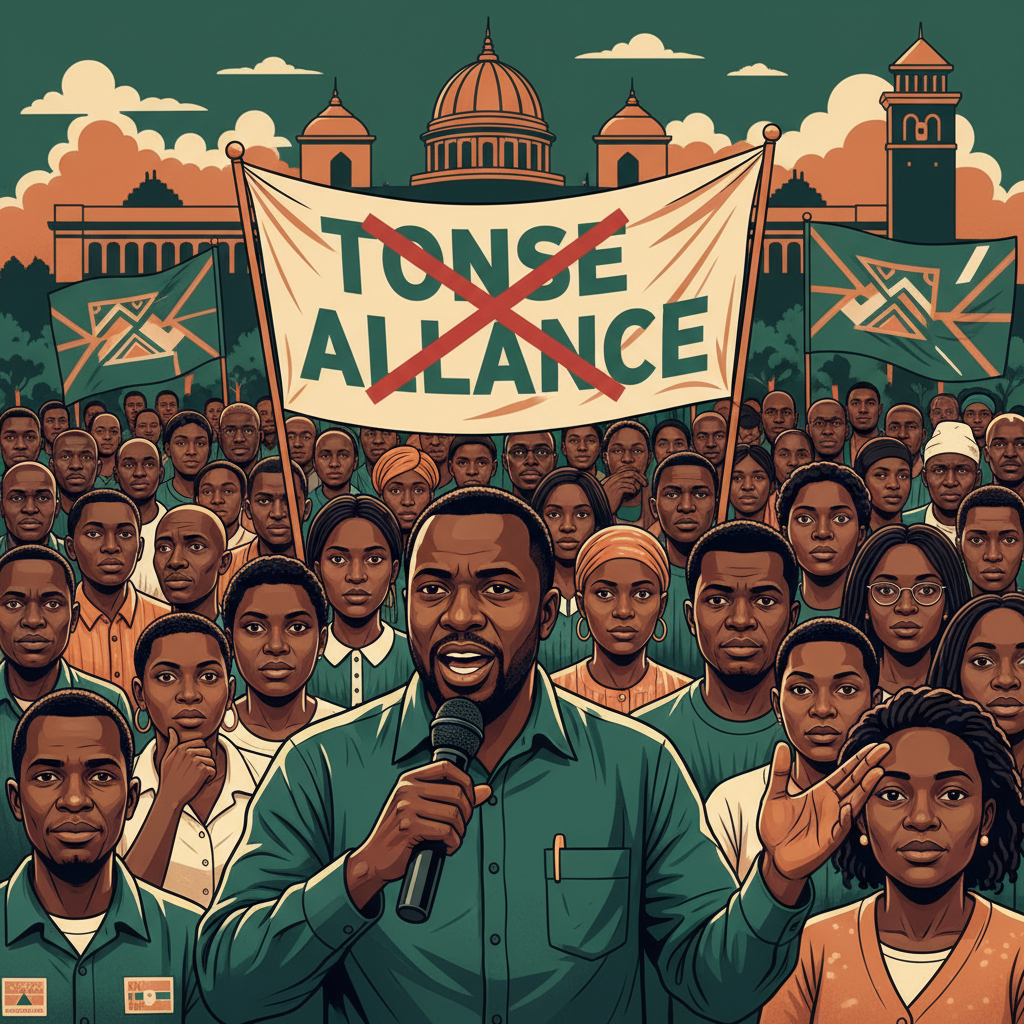
Lusaka, Zambia – Chilufya Tayali, the outspoken leader of the Economic and Equity Party (EEP), has cast a critical eye on the electoral prospects of the TONSE Alliance, declaring unequivocally that the opposition coalition "does not have what it takes to win this election." His assertion, made publicly, stems from a direct comparison of campaign activities, specifically noting the stark difference in the number of rallies addressed by incumbent President Hakainde Hichilema of the United Party for National Development (UPND) and TONSE Alliance presidential candidate Brian Mundubile. Tayali, a figure known for his often controversial and direct political commentary, indicated he had spent a day observing three rallies led by President Hichilema. This observation seemingly led him to question the visibility and vigour of the TONSE Alliance's campaign efforts, particularly juxtaposed against the incumbent's apparent nationwide mobilisation. The question he posed – "How many has Brian Mundubile addressed?" – underscores a perceived disparity in campaign outreach and grassroots engagement, a crucial factor in Zambian elections. The TONSE Alliance, formed with the explicit goal of unseating the current government in the 2026 general election, has undergone significant internal dynamics, including the succession of its presidential candidacy. Initially, former President Edgar Lungu was unveiled as its presidential candidate in July 2024, but following his passing, Brian Mundubile was selected as his replacement in January 2026. Mundubile, a seasoned politician who served as Member of Parliament for Mporokoso and Leader of the Opposition, now leads the alliance, which includes various opposition parties and civil society organisations. President Hichilema, on the other hand, has been actively campaigning, holding numerous rallies across the country. Recent reports indicate his engagement in events in areas such as Choma, Kaputa, Mpongwe, and Mansa, often promising develop