There’s rising poverty in Zambia, says Archnishop Alick Banda
INSTITUTIONSBy Zambian Observer — Zambian Observer
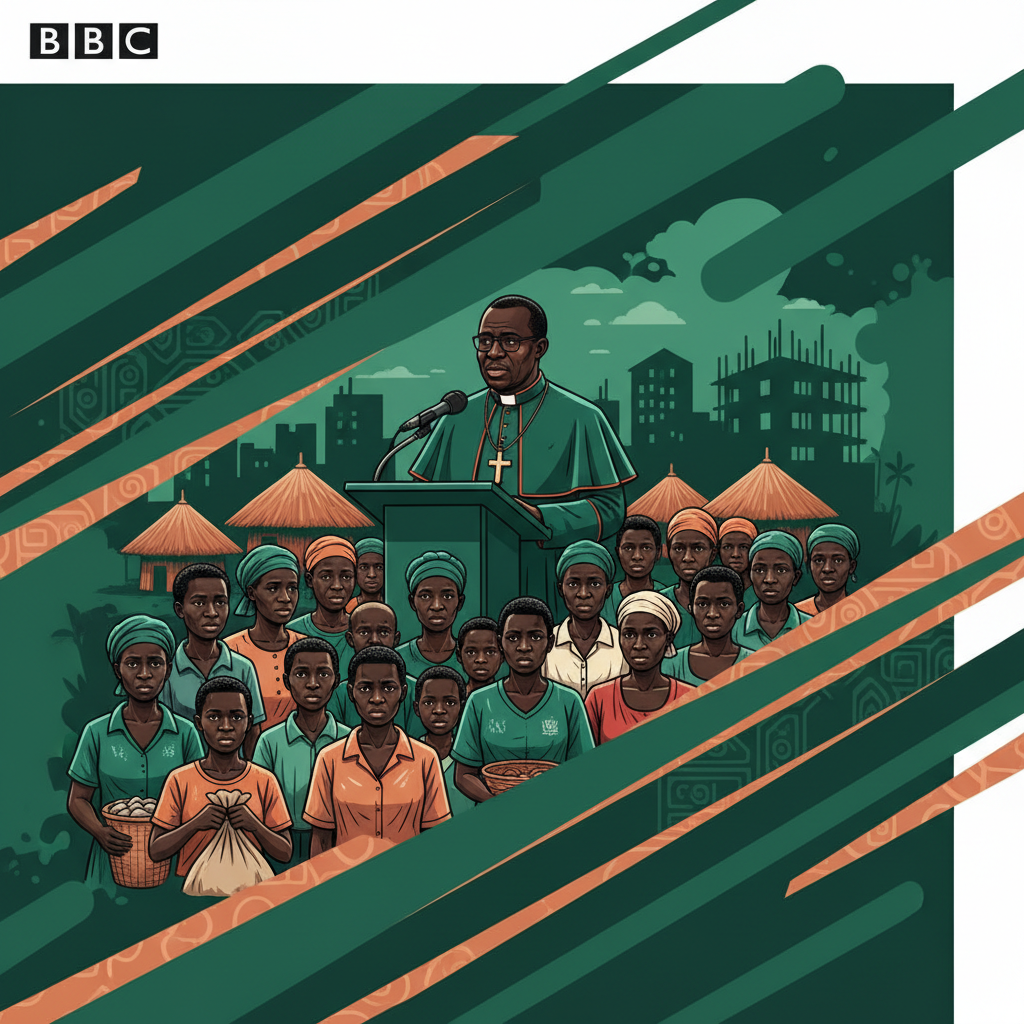
LUSAKA – Archbishop Dr. Alick Banda, a prominent voice within Zambia's religious community, has issued a stark warning regarding the escalating levels of poverty across the nation. Speaking on the prevailing socio-economic conditions, Archbishop Banda articulated a deep-seated longing among Zambians for a society where dignity, justice, and freedoms are not mere ideals but tangible realities for all citizens. His remarks come at a time when many households are grappling with the twin challenges of a high cost of living and limited economic opportunities, painting a somber picture of the current national mood. The Archbishop's observations resonate with numerous reports and anecdotal evidence pointing to a significant erosion of living standards for many Zambians. Factors such as persistent inflation, particularly in essential commodities like food and fuel, coupled with high unemployment rates, have placed immense pressure on the average Zambian family. This economic strain often translates into reduced access to vital services such as healthcare and education, perpetuating a cycle of deprivation that disproportionately affects vulnerable populations in both urban and rural areas. Historically, Zambia has faced cyclical economic challenges, often exacerbated by global commodity price fluctuations and domestic policy decisions. While various administrations have implemented strategies aimed at poverty reduction and economic diversification, the impact on the ground has been inconsistent. Archbishop Banda's recent statement serves as a poignant reminder that despite efforts, the fundamental needs and aspirations of the populace for a more equitable and prosperous future remain largely unfulfilled. His call for dignity and justice echoes a broader societal cry for governance that prioritizes human welfare above all else. Furthermore, the Archbishop's emphasis on 'freedoms' alongside dignity and justice suggests a holistic view of national well-being, implying that e