Zambian Ambassador to South Korea says Delay in Maize Floor Price Could Cost Ruling Party Votes
POLITICSBy Zambian Observer — Zambian Observer
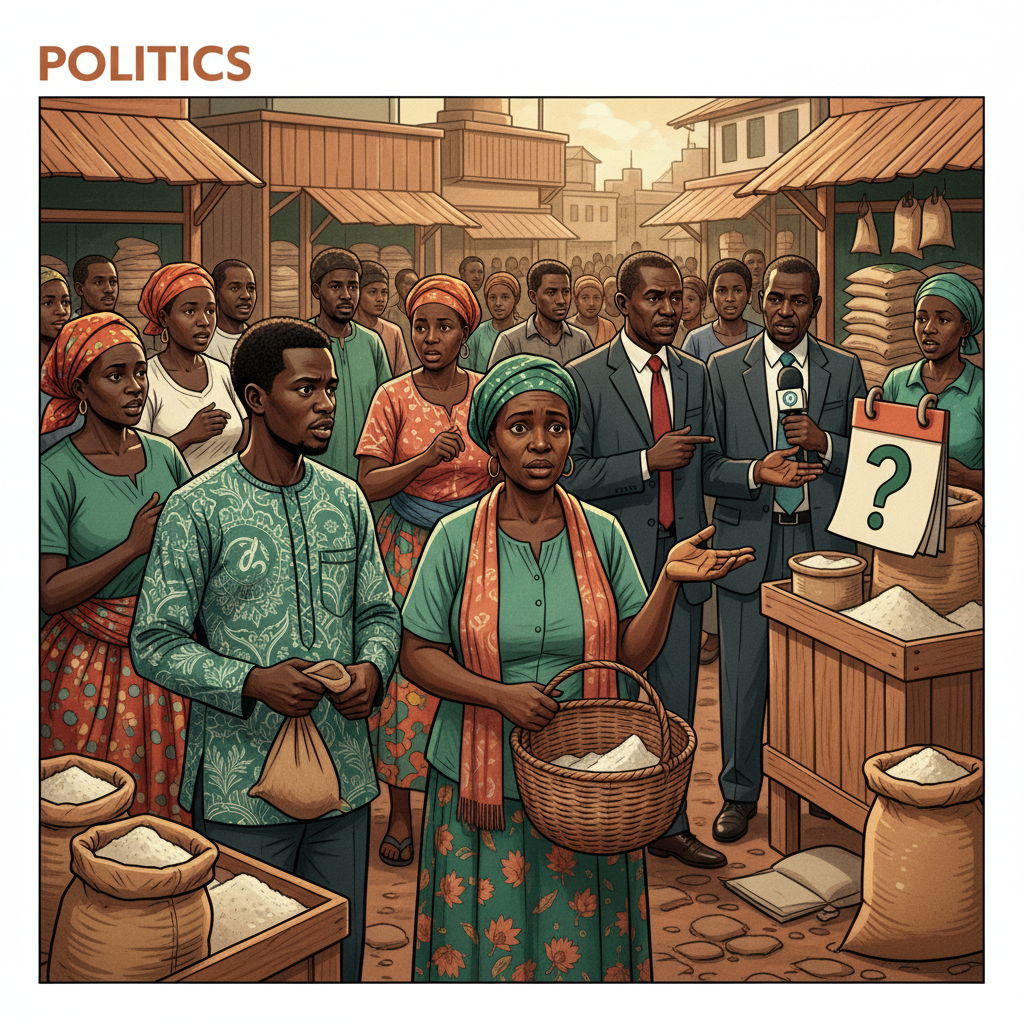
Lusaka, Zambia – Zambian Ambassador to South Korea, Andrew Banda, has issued a stark warning to the ruling party, cautioning that the protracted delay by the Food Reserve Agency (FRA) in announcing the maize floor price could have severe political repercussions, potentially costing the party crucial votes in future elections. Banda, a seasoned diplomat and son of former President Rupiah Banda, emphasised the profound impact that agricultural policies, particularly those concerning the staple crop maize, have on the livelihoods and political sentiments of Zambian farmers. Maize, being Zambia's primary staple food and a critical source of income for a vast majority of smallholder farmers, holds immense political significance. The FRA's role in purchasing maize at a guaranteed floor price is designed to provide stability and incentive for farmers, ensuring national food security while supporting rural economies. However, the current delay in setting this price, coupled with the agency's reluctance to commence purchases, has created widespread anxiety among farmers who are eager to sell their harvest and prepare for the next planting season. This uncertainty directly affects their financial planning and overall economic well-being, leading to palpable discontent in agricultural communities. Ambassador Banda's concerns are rooted in the historical context of Zambian politics, where maize prices and food security have frequently been decisive factors in electoral outcomes. Governments that fail to adequately address farmers' needs regarding maize marketing often face a backlash at the polls. The Ambassador's statement highlights a critical disconnect between policy implementation and its grassroots impact, urging the ruling party to recognise the urgency of the situation. He pointed out that farmers perceive the government's inaction as a lack of commitment to their welfare, a sentiment that could easily translate into protest votes. The Food Reserve Agency, for its pa