FRA ready to commence 2026 crop purchases
BUSINESSBy Lusaka Star — Lusaka Star
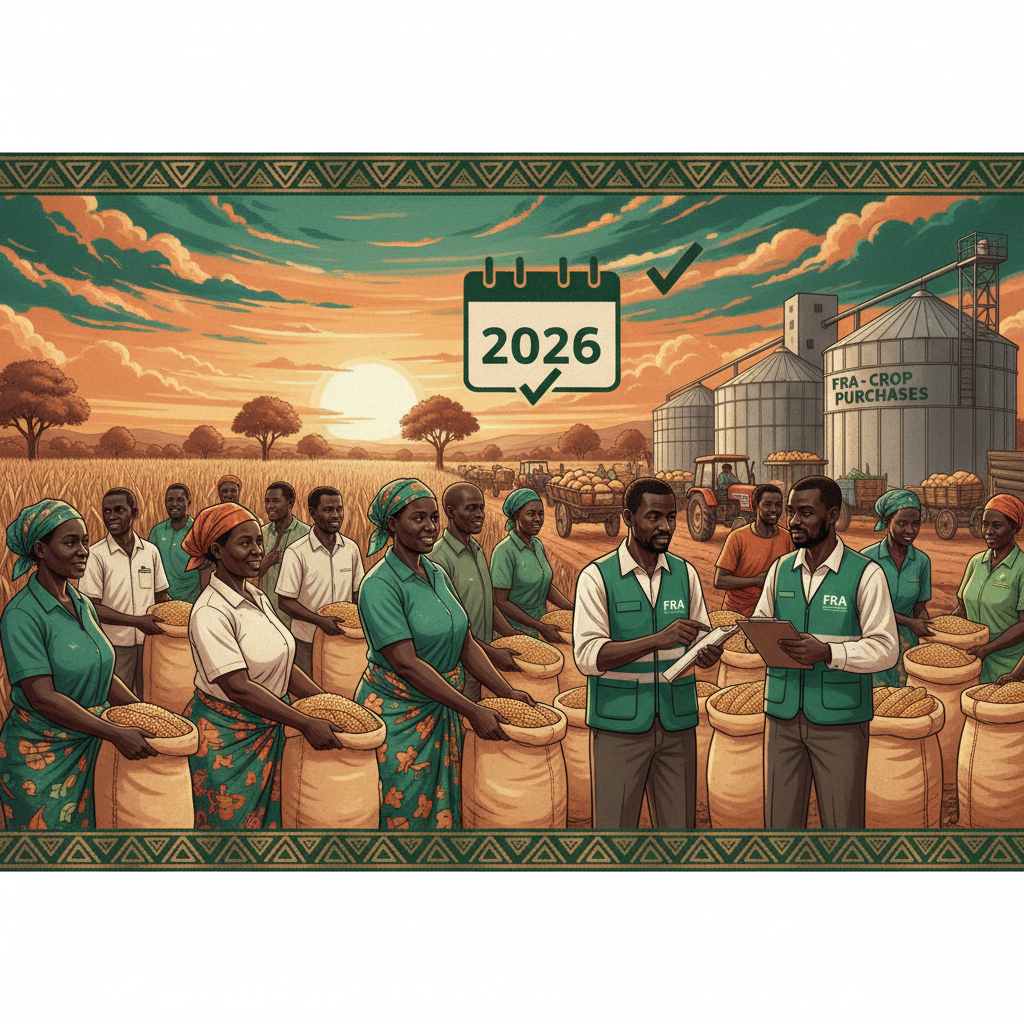
LUSAKA – The Food Reserve Agency (FRA) has declared its comprehensive readiness to embark on the 2026 crop marketing season, a pivotal exercise for Zambia's food security and agricultural sector. The agency confirmed that all necessary logistical and operational preparations have been meticulously completed for the procurement of both maize and paddy rice. This announcement signals a critical juncture for thousands of smallholder farmers who rely on the FRA for a guaranteed market for their produce, providing much-needed stability in their livelihoods. Speaking on the agency's preparedness, FRA officials indicated that their teams are strategically positioned across various depots nationwide, equipped to handle the expected influx of grains. The primary outstanding factor before the commencement of purchases is the official announcement of the buying prices by the Zambian government. This price, typically set to balance farmer profitability with consumer affordability, is eagerly anticipated by agricultural communities and stakeholders alike. The government's decision on pricing will significantly influence the economic returns for farmers and the overall cost of staple foods for the general populace. This year's marketing season holds particular importance given the prevailing climatic conditions and the nation's ongoing efforts to bolster its strategic food reserves. A robust and efficient purchasing process by the FRA is crucial not only for ensuring that Zambia has adequate maize stocks to feed its population but also for mitigating potential price fluctuations in the open market. The agency's efficiency directly impacts the national food balance sheet and can help cushion consumers from the volatility often associated with agricultural commodities. Historically, the FRA plays a dual role: providing a safety net for farmers by offering a floor price for their produce and maintaining national food reserves. Its operations are vital in stabilising the agricultu