China is funding African farmers but not food processing and storage: why it’s a problem
BUSINESSBy Adrino Mazenda — The Conversation Africa
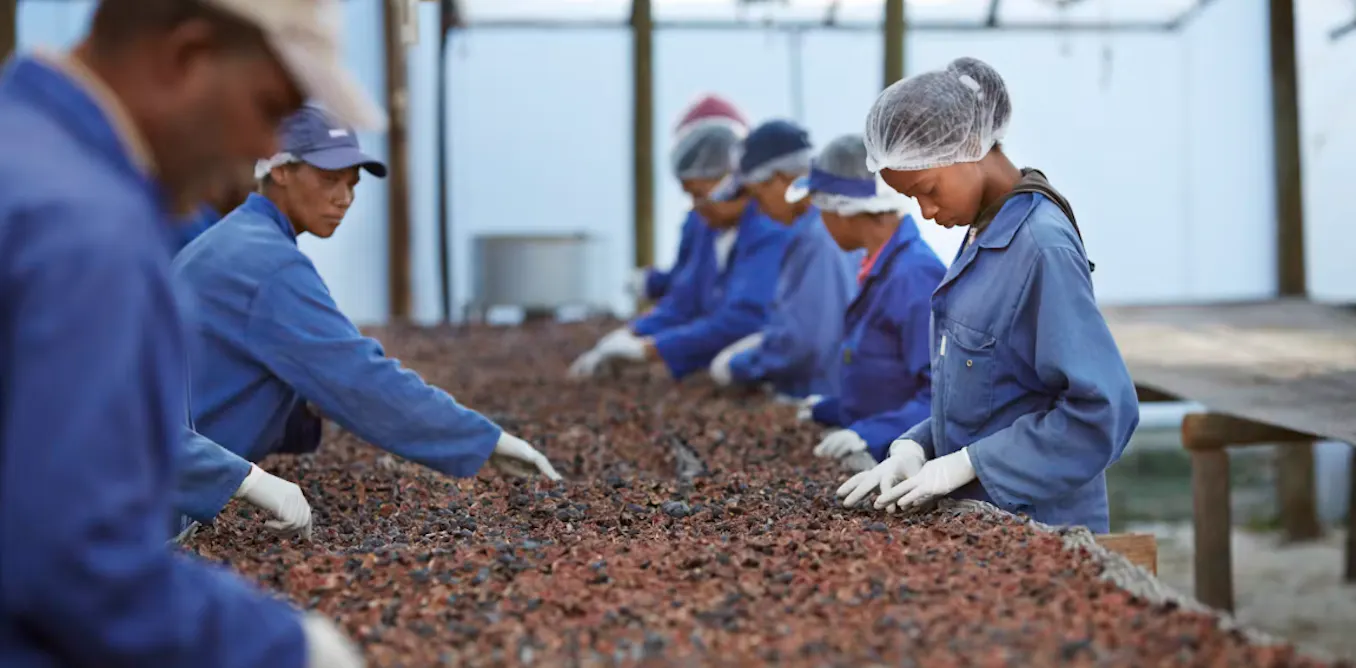
Lusaka, Zambia – A recent study highlights a critical gap in China's substantial agricultural investments across Africa, revealing that while billions have been poured into farm development, irrigation, and mechanisation, crucial areas like food processing and storage remain largely overlooked. This imbalance has significant implications for countries like Zambia, where post-harvest losses are a persistent challenge, undermining efforts to achieve food security and economic growth. Since 2000, Chinese and other state-backed institutions have committed over US$180 billion in loans to African nations for various development projects, with agriculture being a notable, albeit smaller, part of this expanding partnership. The research, which analysed Chinese agricultural loans between 2000 and 2024, found that approximately US$2.26 billion was allocated to the sector. However, a disproportionate amount — nearly 36% — went into farm schemes, production estates, and fisheries, with only a mere 3% directed towards storage and cold-chain infrastructure, and less than 2% for agro-processing facilities. For Zambia, a nation with vast arable land and significant agricultural potential, this funding pattern presents a considerable hurdle. The country faces severe post-harvest losses, estimated to be between 30% and 40% for staple crops like maize and soybeans annually. These losses are primarily attributed to inadequate storage facilities, poor handling practices, and limited access to affordable preservation technologies. While Chinese investment has supported some infrastructure, such as the construction of nine large-scale silos in the past, the broader trend indicates a lack of comprehensive support for the entire agricultural value chain. The implications for Zambian smallholder farmers, who constitute the backbone of the nation's food production, are particularly dire. Without adequate processing and storage, farmers struggle to preserve their harvests, leading to reduce