In 2023, researchers placed a GPS collar on a young bull elephant in Zambia. Two years later, his path stretched across four countries and six national parks, revealing the ancient routes elephants still remember, and the human borders now cutting through them
ENVIRONMENTBy Space Daily Editorial Team — Space Daily
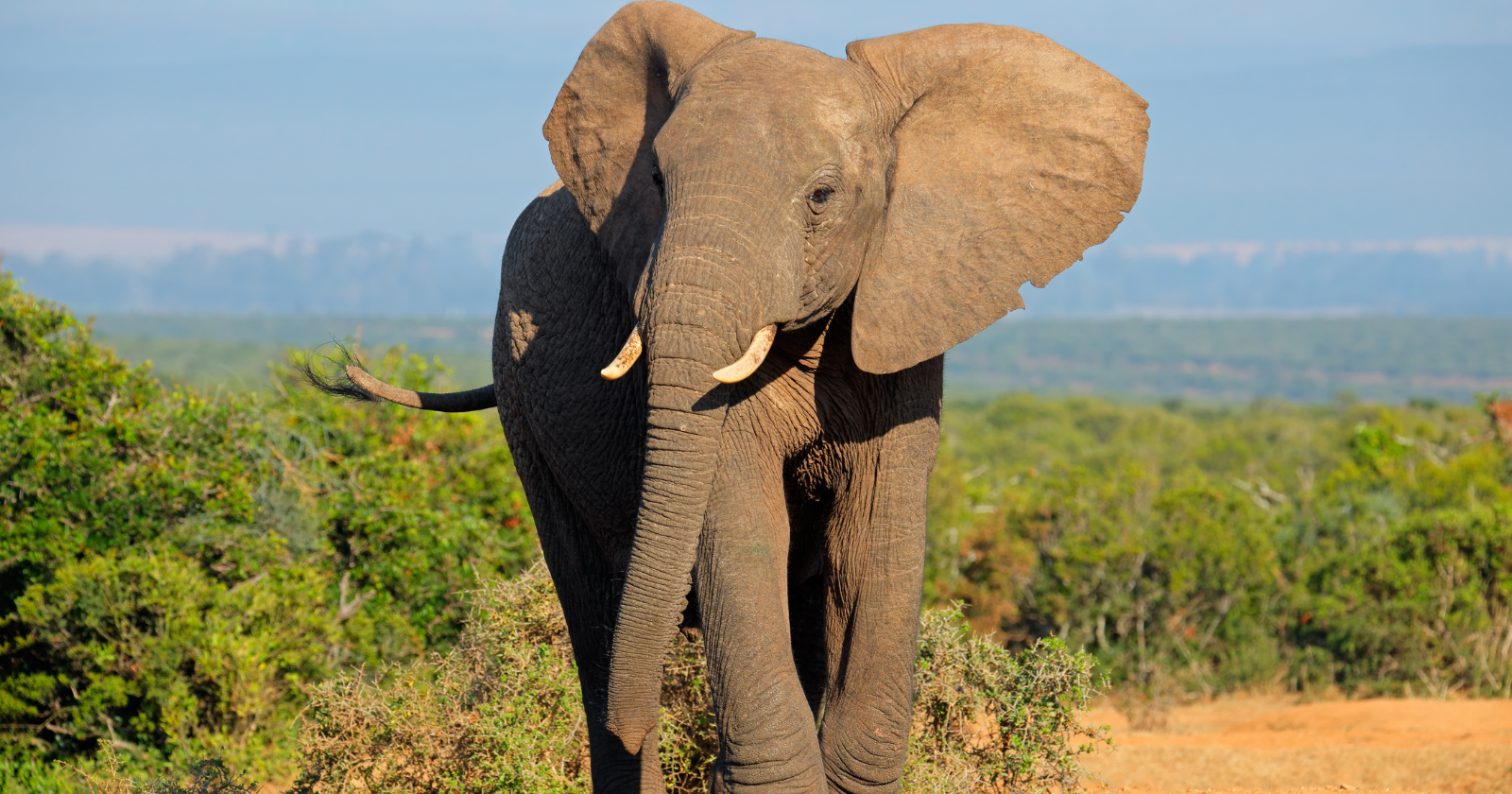
A remarkable journey undertaken by a young bull elephant, designated Z16, has captivated researchers and conservationists across Southern Africa, shedding light on the intricate web of ancient migratory paths and the growing pressures exerted by human development. Collared in June 2023, north of Zambia's Sioma Ngwezi National Park, Z16 has, over the past two years, covered an astonishing distance of nearly 12,000 kilometres, traversing four countries and navigating through six national parks. This epic trek underscores the inherent memory of these majestic creatures for ancestral routes, even as these paths increasingly intersect with modern human-made boundaries. Z16's odyssey began in the heart of the Kavango Zambezi Transfrontier Conservation Area (KAZA), the world's largest land-based transboundary conservation area, spanning Angola, Botswana, Namibia, Zambia, and Zimbabwe. His movements, meticulously tracked by GPS, offer invaluable insights into how elephants utilise this vast landscape, particularly the Zambian component which acts as a crucial link between various ecosystems within KAZA. Sioma Ngwezi National Park itself, though previously affected by poaching, has seen a recovery in elephant populations, with evidence of re-established migration routes, especially along its southeastern border. However, the elephant's extensive travels also bring into sharp focus the escalating human-wildlife conflict, a critical challenge facing Zambia and its neighbours. As Z16 re-establishes traditional routes, he inevitably encounters areas now settled by farmers, leading to competition for resources. This conflict, often manifesting as crop raiding, poses a significant threat to both elephant conservation and the livelihoods of rural communities. Organisations like the International Fund for Animal Welfare (IFAW) and WWF Zambia are actively working to mitigate these conflicts through various initiatives, including electric fencing and community engagement, to foster