Govt. assures Resident Doctors on rectifying payroll concerns
HEALTHBy Lusaka Times — Lusaka Times
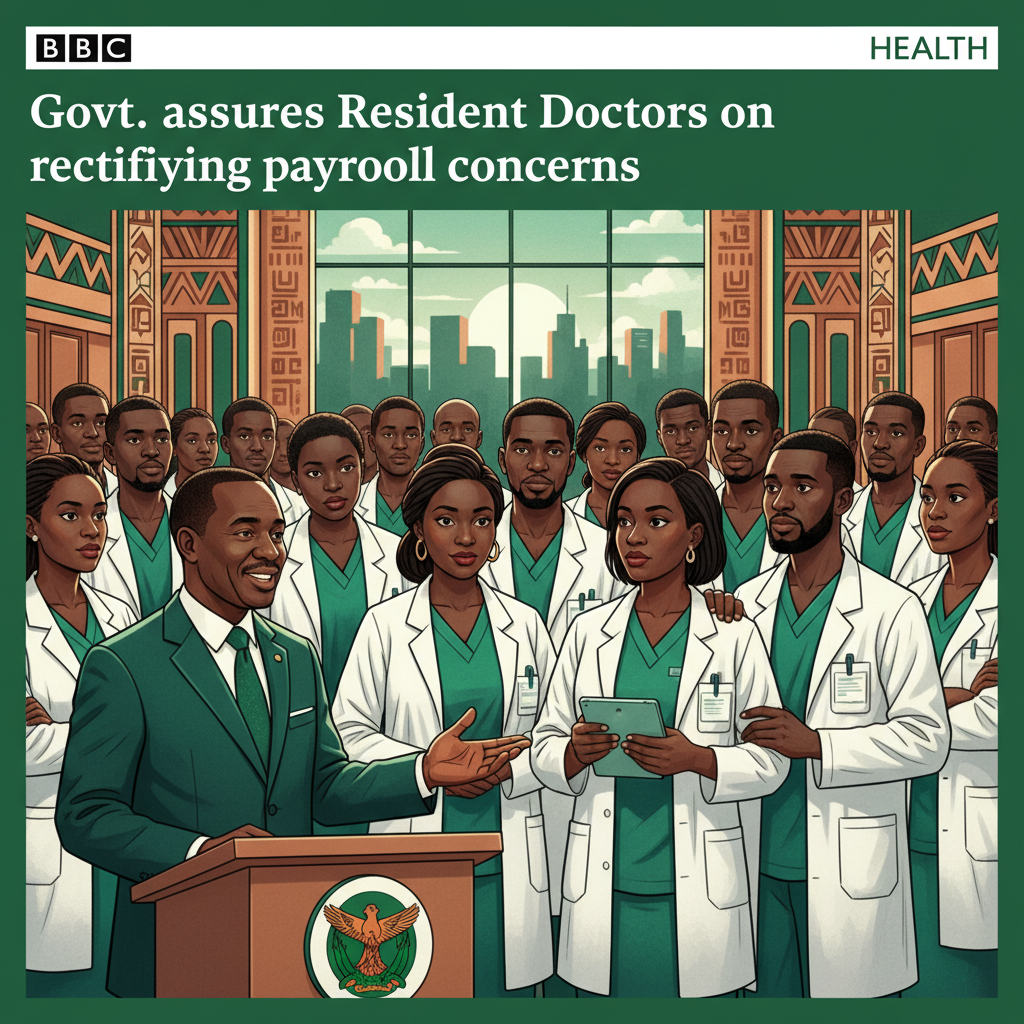
LUSAKA – The Zambian government has moved to allay anxieties among the nation's medical fraternity, specifically assuring the Resident Doctors Association of Zambia (RDAZ) that all newly recruited health personnel will be fully integrated onto the public service payroll by July. This assurance comes amidst a period of significant recruitment in the health sector, a move widely lauded as crucial for bolstering healthcare delivery across the country, but which has also been accompanied by administrative challenges. The commitment from the authorities underscores the government's recognition of the critical role played by medical professionals, particularly resident doctors, in the nation's healthcare system. Delays in payroll integration for new recruits can lead to considerable financial strain and demoralization, potentially impacting service delivery at a time when Zambia is striving to improve health outcomes, especially in rural and underserved areas. The RDAZ has been vocal in advocating for its members, highlighting the need for efficient and timely processing of salaries and benefits for all healthcare workers. Sources within the Ministry of Health indicate that the process involves intricate administrative procedures, including verification of credentials, allocation to specific health facilities, and integration into the Public Service Management Division's payroll system. While the government acknowledges these complexities, the pledge to resolve all outstanding payroll issues by July demonstrates a concerted effort to streamline these processes and ensure that new doctors, nurses, and other health professionals can focus on their vital work without undue financial worry. This development is particularly pertinent given the recent large-scale recruitment drives initiated by the government to address critical staffing shortages in hospitals and clinics nationwide. Thousands of health workers were brought on board, a significant undertaking designed to enh