IMF Warns Zambia Election Spending, Fuel Costs Threaten Fiscal Gains
BUSINESSBy Zambian Agribusiness — Zambian Agribusiness
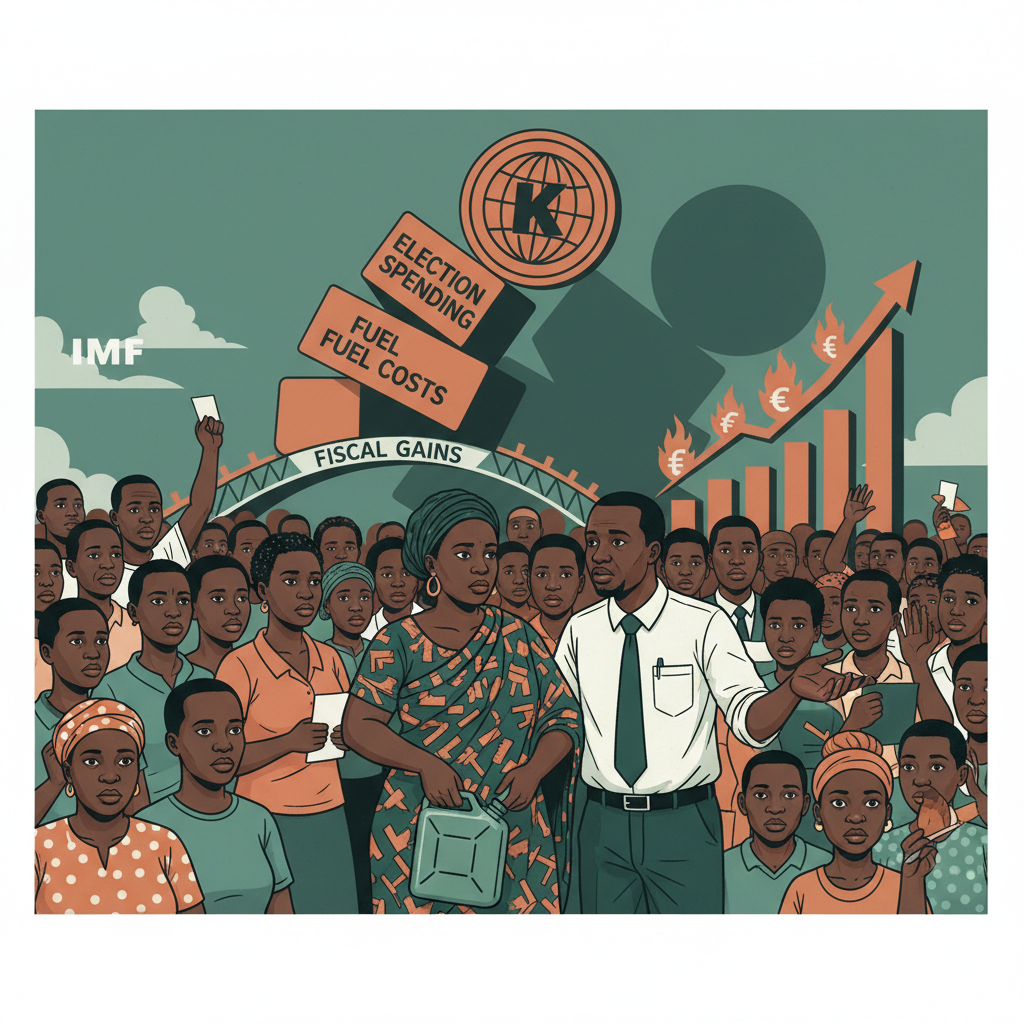
LUSAKA – Zambia's precarious economic stability, painstakingly achieved through stringent fiscal measures and debt restructuring efforts, is once again under threat, according to a recent assessment by the International Monetary Fund (IMF). The global financial institution has specifically pointed to an anticipated surge in pre-election spending and the enduring burden of costly energy subsidies as critical factors that could derail the country's macroeconomic progress. This warning serves as a stark reminder of the challenges facing the Zambian government as it navigates both domestic political cycles and external economic pressures. The IMF's concerns are not new, but their reiteration now carries particular weight given Zambia's recent success in securing a debt restructuring deal, a milestone that was expected to pave the way for sustained economic recovery. The fund's statement suggests that the fiscal discipline required to maintain this trajectory could be undermined by political expediency, particularly as the nation approaches its next general election. Historically, pre-election periods in many African nations, including Zambia, have often been characterised by increased public expenditure on populist projects and social programmes, which, while politically advantageous, can strain national coffers and exacerbate inflationary pressures. Furthermore, the issue of energy subsidies, particularly for fuel, remains a contentious and financially draining policy. While intended to cushion citizens from high global oil prices, these subsidies represent a significant drain on the national budget, diverting funds that could otherwise be invested in critical sectors such as healthcare, education, or infrastructure development. The IMF has consistently advocated for the gradual removal of such subsidies, arguing that they distort market mechanisms and disproportionately benefit wealthier segments of society, while placing an unsustainable burden on public finances.