Lungu’s Final Journey, Wynter Kabimba Explains the Role of President Hichilema
POLITICSBy Tobbius Hamunkoyo — Zambian Observer
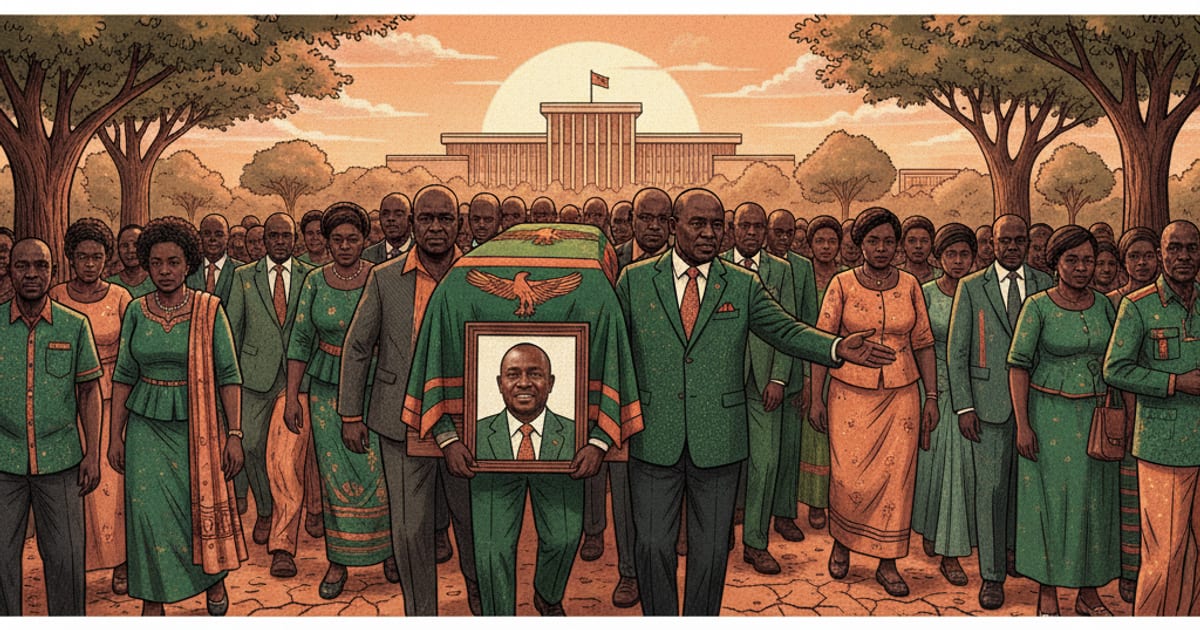
LUSAKA – In a development that has captured national attention, former Justice Minister and prominent political figure, Wynter Kabimba, has reportedly offered a crucial clarification regarding the constitutional obligations of President Hakainde Hichilema concerning the eventual funeral arrangements for Zambia's Sixth Republican President, Dr. Edgar Lungu. This intervention by Kabimba, a seasoned lawyer and constitutional commentator, seeks to demystify the protocols and presidential responsibilities associated with the passing of a former head of state, a matter of significant national interest and tradition. The discourse surrounding the 'final journey' of Dr. Lungu, while sensitive, underscores the importance of established state protocols and the continuity of respect for former leaders. Kabimba's explanation, as reported, emphasizes that the incumbent President, Hakainde Hichilema, is constitutionally mandated to ensure that all necessary arrangements are made to accord a former President a dignified state funeral. This responsibility transcends political affiliations and is rooted in the nation's commitment to honouring those who have held the highest office. Historically, Zambia has always accorded its former leaders state funerals, a tradition that reflects the nation's respect for the office of the President and the individuals who have served. This practice is not merely ceremonial but is enshrined in the fabric of the nation's governance, ensuring that the transition and remembrance of former leaders are handled with utmost solemnity and national unity. Kabimba's insights are particularly pertinent in the current political climate, where such matters can often become subjects of public speculation and partisan interpretation. President Hichilema's role, as articulated by Kabimba, is therefore not a matter of personal discretion but a constitutional imperative. It involves overseeing the logistical, financial, and ceremonial aspects of a state funeral,