Appeal for AU Action in Zambia Lead Poisoning Case
ENVIRONMENTBy Human Rights Watch — Human Rights Watch
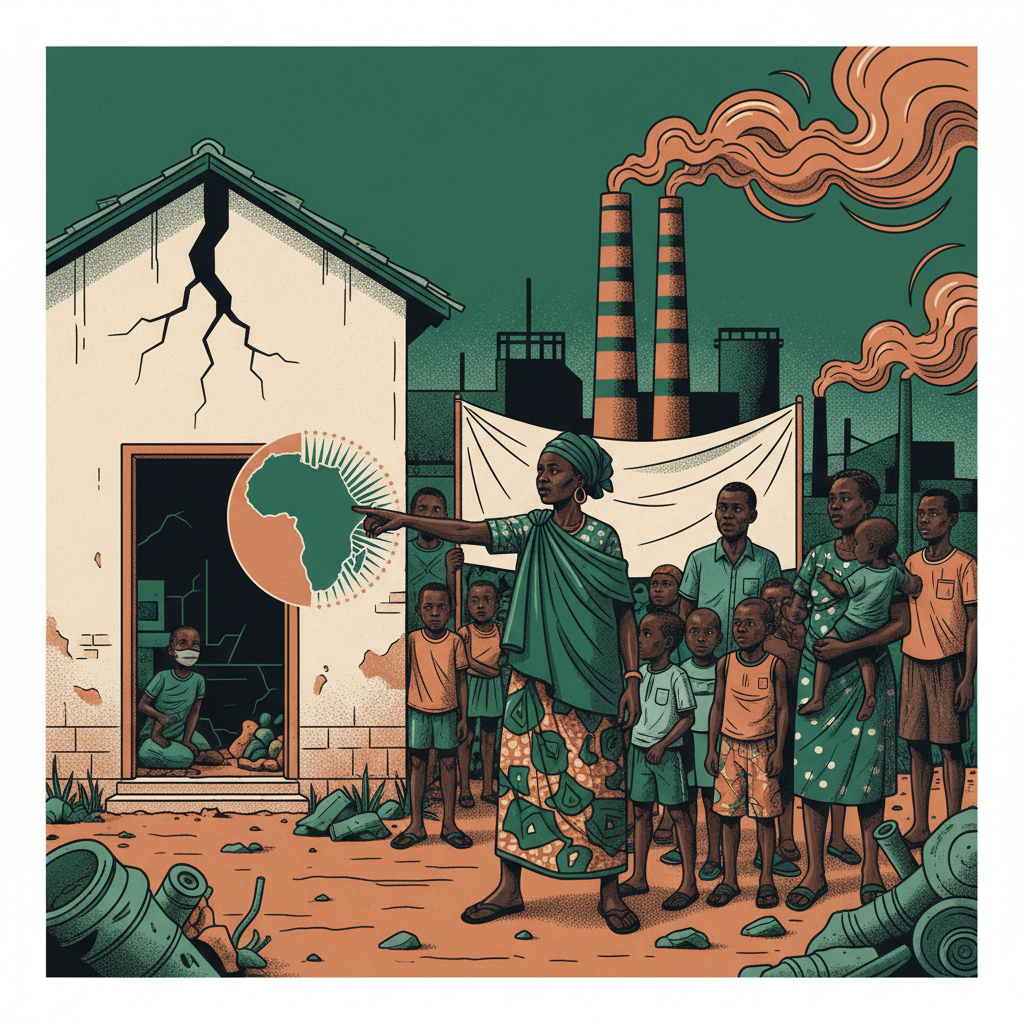
Lusaka, Zambia – A recent and scathing report from Human Rights Watch (HRW) has reignited urgent calls for regional intervention in Zambia's protracted lead poisoning crisis, specifically targeting the former Kabwe mine site. The international human rights watchdog has formally appealed to the African Union (AU) to hold the Zambian government accountable for what it describes as a persistent failure to clean up the highly contaminated area, where generations of children continue to suffer from severe lead poisoning. This latest plea underscores the profound human rights implications of the environmental disaster in Kabwe, painting a stark picture of governmental inaction in the face of a public health catastrophe that has blighted one of Zambia's oldest mining towns for decades. HRW's report emphasizes the Zambian government's fundamental responsibility to protect its citizens and provide comprehensive remediation, a duty that, in their view, remains largely unfulfilled. The call for AU intervention is particularly significant, highlighting a perceived inadequacy of domestic efforts to address a problem that has stubbornly persisted since the mine's closure in 1994. While the Zambian government has, at various times, acknowledged the gravity of the situation, often citing ongoing efforts, resource constraints, and the sheer complexity of remediation, critics argue that these explanations do not sufficiently account for the slow pace of tangible progress. The 'Voice of the People' on social media platforms frequently echoes this frustration, expressing outrage and a profound sense of abandonment, with countless personal testimonies of affected families demanding immediate and effective intervention. This sentiment often translates into a broader public discourse questioning the efficacy of national institutions in safeguarding the health and well-being of vulnerable communities, particularly children, who bear the brunt of this toxic legacy. Historically, the Kabwe