Commercial shipping returns to Hormuz as vessels navigate lingering mine threat
WORLDBy Zambian Observer — Zambian Observer
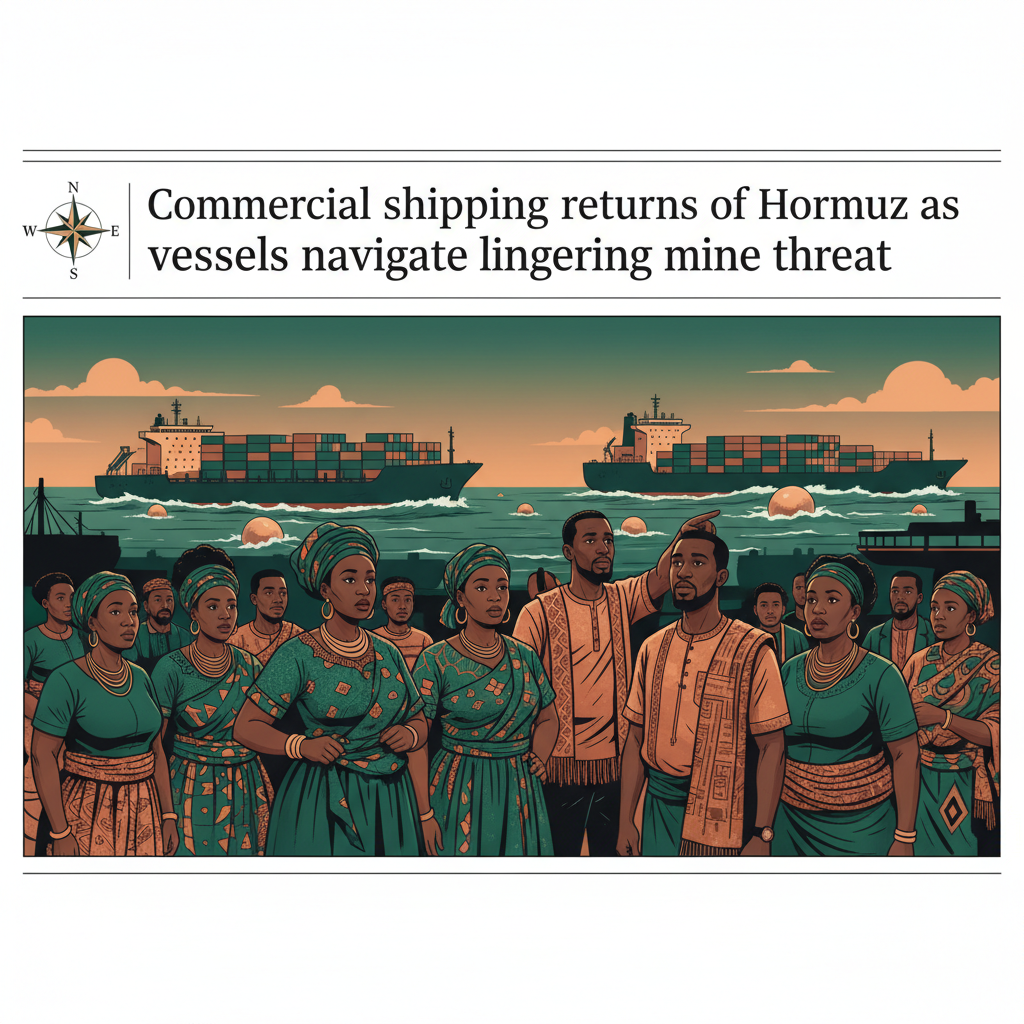
Commercial shipping has tentatively recommenced its passage through the Strait of Hormuz, a critical maritime artery, following Iran's recent decision to lift its closure. This resumption, however, is shadowed by persistent concerns regarding the potential presence of naval mines, necessitating heightened vigilance from international maritime forces and commercial operators alike. The Strait, which connects the Persian Gulf to the open ocean, is an indispensable conduit for a significant portion of the world's oil supply, making its security paramount for global economic stability. The reopening of the Strait of Hormuz is a development closely watched by economies worldwide, including Zambia. As a landlocked nation, Zambia's economic health is intrinsically linked to the efficiency and security of global trade routes. Disruptions in key maritime passages, such as Hormuz, inevitably lead to increased shipping costs, insurance premiums, and extended delivery times for goods. This directly impacts the price of imported commodities like fuel, machinery, and manufactured goods, which are vital for Zambia's industrial and agricultural sectors, ultimately affecting the cost of living for ordinary Zambians. For Zambia, a country heavily reliant on copper exports and various imports, the stability of global supply chains is not merely an abstract concept but a tangible factor influencing national development and household budgets. Any instability in the Strait of Hormuz can translate into higher operational costs for Zambian businesses, potentially stifling economic growth and investment. The government and private sector in Zambia often monitor such geopolitical developments, as they can necessitate adjustments in trade strategies, including diversification of supply sources and logistical planning. International naval patrols, including those from Western powers, have maintained a significant presence in the region to safeguard commercial vessels and deter potential thr