Zambia Gets 97.85% Bondholder Buy-In on $1.36B Debt Buyback
BUSINESSBy Mwebantu — Mwebantu
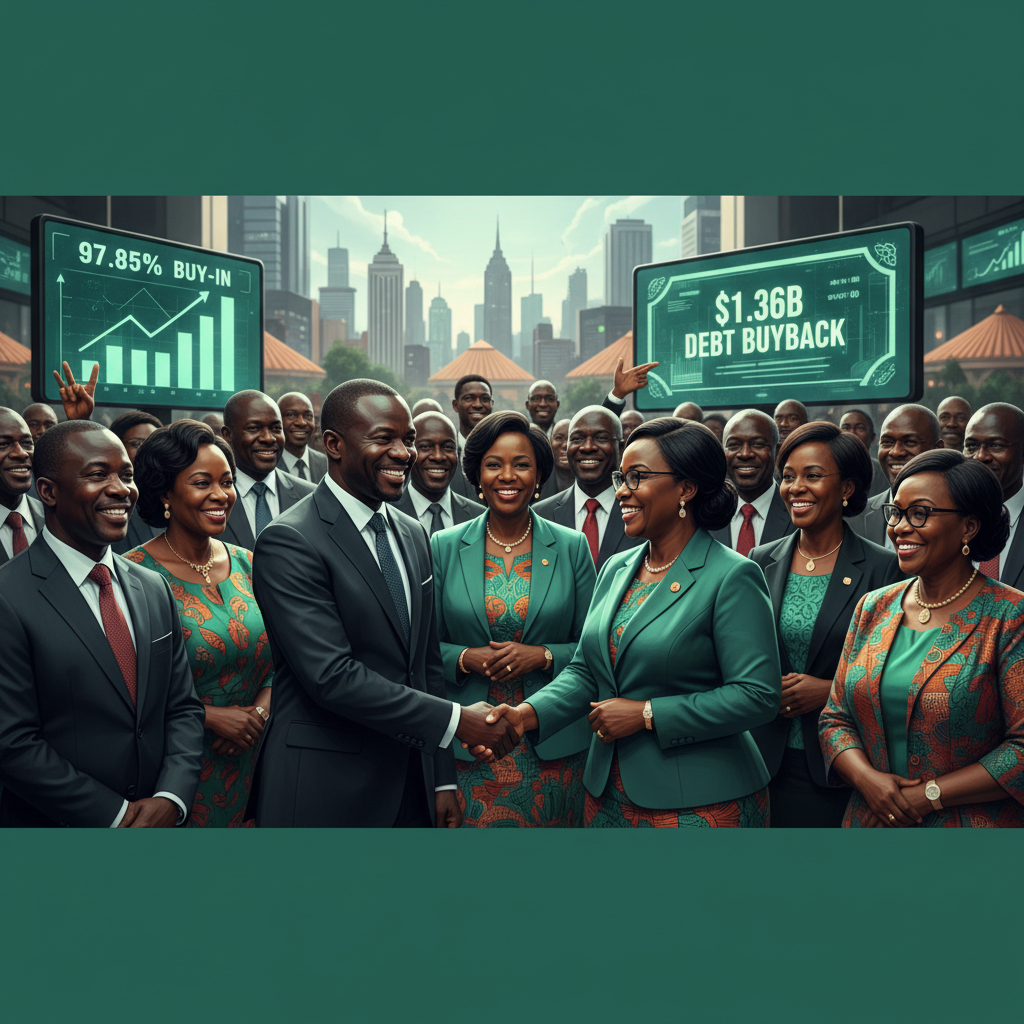
LUSAKA – Zambia has marked a pivotal moment in its arduous journey towards economic recovery, announcing an overwhelming 97.85 percent bondholder participation in its cash tender offer for $1.365 billion in outstanding Eurobonds. This robust buy-in, confirmed by the Ministry of Finance and National Planning, represents a critical stride in the nation's broader debt restructuring strategy, which has been ongoing since its default in 2020. The early results of the tender offer underscore a significant vote of confidence from international creditors in Zambia's commitment to fiscal discipline and economic reforms. The government, under the leadership of President Hakainde Hichilema, has prioritised restoring macroeconomic stability and re-engaging with the international financial community. This successful tender offer is a direct outcome of protracted negotiations and the framework established with the International Monetary Fund (IMF) and the official creditor committee. For Zambia, a country grappling with a substantial debt burden, this development is more than just a financial transaction; it symbolises a potential turning point. The high participation rate suggests that bondholders are largely satisfied with the terms of the offer, which aims to provide a sustainable debt profile for the nation. It is expected to reduce the immediate pressure on foreign exchange reserves and free up resources that can be redirected towards critical social sectors such as health, education, and infrastructure development, which have long suffered from underfunding due to debt servicing obligations. The successful execution of this tender offer is also anticipated to pave the way for a more favourable investment climate. International investors often view debt restructuring as a prerequisite for stable economic growth and reduced sovereign risk. By demonstrating its ability to manage its debt transparently and effectively, Zambia enhances its appeal to foreign direct investment,