WRONG VIEW: BALLY’s DEBT RESTRUCTURING PUSHES DEBT TO FUTURE GENERATIONS- Saviour Chishimba
POLITICSBy Unknown — Zambian Observer
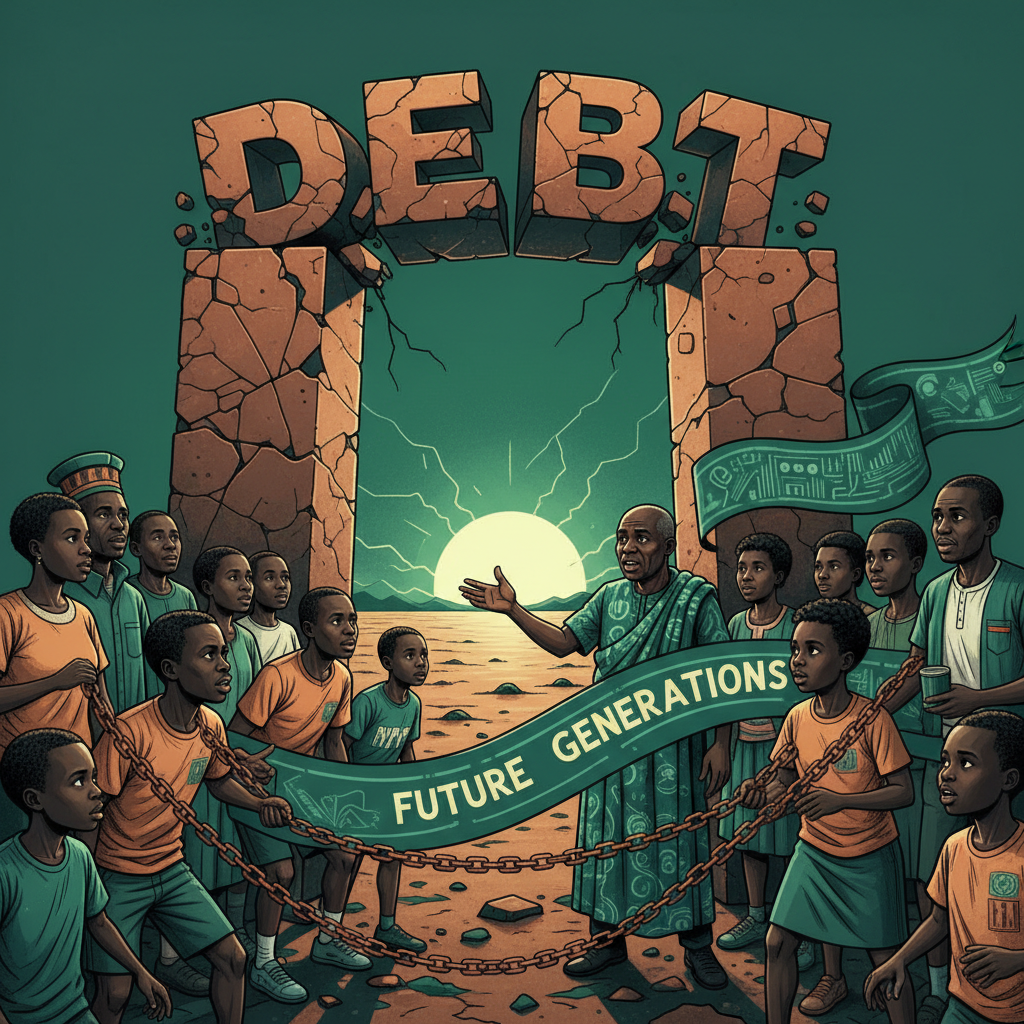
LUSAKA – Prominent Zambian political figure and economic commentator, Saviour Chishimba, has vehemently dismissed claims suggesting that President Hakainde Hichilema’s administration is burdening future generations through its debt restructuring initiatives. In a sharp critique, Chishimba, known for his outspoken views, stated that such assertions betray a profound lack of economic literacy, indicating a need for widespread public education on fundamental economic principles. Chishimba's remarks come amidst ongoing public discourse and political debate surrounding Zambia's substantial national debt, much of which was accumulated under previous administrations. The 'Bally' administration, a popular moniker for President Hichilema's government, inherited a challenging economic landscape characterized by unsustainable debt levels that had stifled national development and economic growth for years. The current government has made debt restructuring a cornerstone of its economic recovery strategy, engaging with creditors to secure more favourable terms and a sustainable repayment plan. “The debt problem was not created by Bally,” Chishimba asserted, directly addressing the core of the criticism. He highlighted that the current government is actively working to resolve a crisis it inherited, rather than perpetuating it. The restructuring process, which has seen significant progress with key creditors and international financial institutions like the International Monetary Fund (IMF), aims to free up fiscal space for essential social services and productive investments, thereby laying a stronger foundation for future generations, not burdening them. Economists and financial analysts largely agree that without a successful debt restructuring, Zambia would face continued economic instability, currency depreciation, and an inability to attract crucial foreign direct investment. The alternative to restructuring, often involving default, would have far more severe and lastin