Defeating Tribal Politics in Zambia: Voting Beyond Tribal Orientation
POLITICSBy Zambian Observer — Zambian Observer
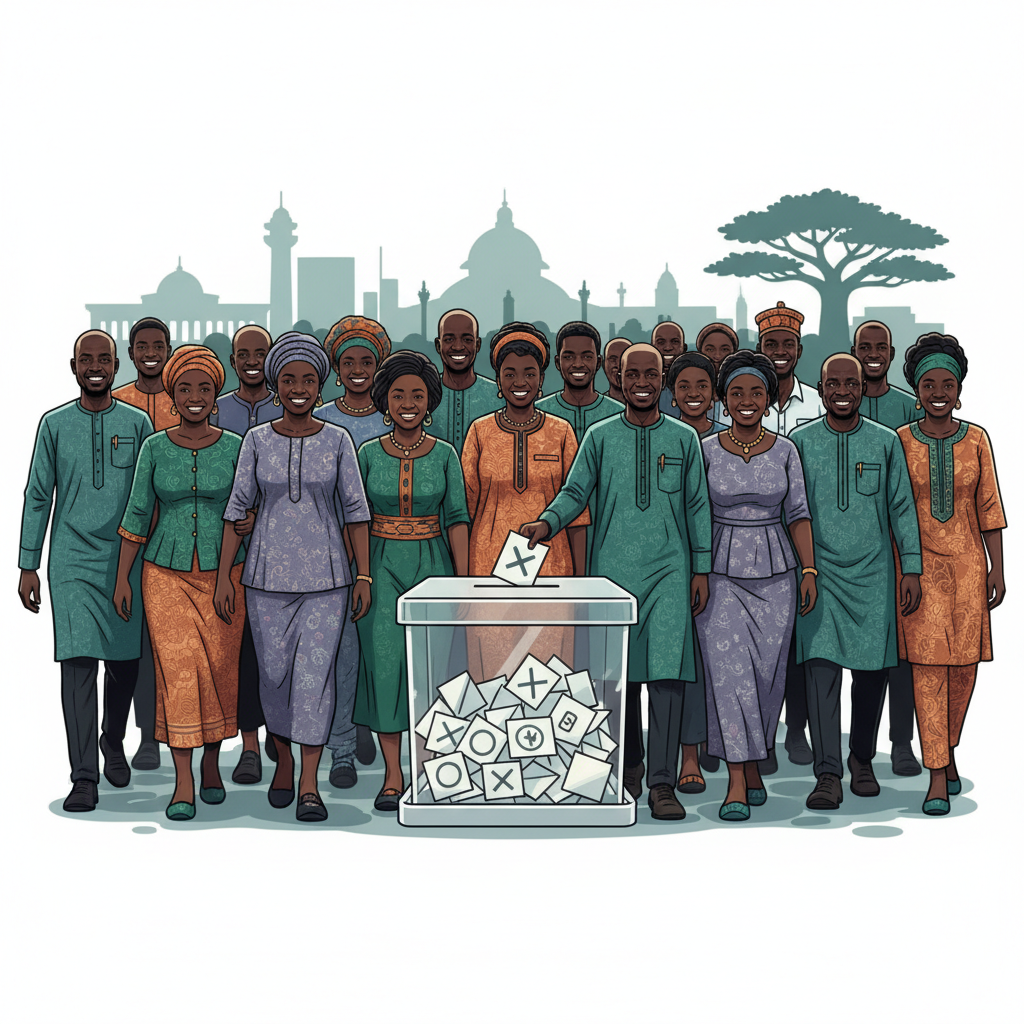
Five years ago today, a chance encounter at Levy Mall Junction between two former University of Zambia (UNZA) comrades sparked a profound discussion on the trajectory of Zambian politics. As the nation then geared up for the August general elections, the conversation inevitably turned to the pervasive issue of tribalism – a deeply entrenched challenge that continues to shape, and at times, undermine the country's democratic aspirations. The former students, now professionals observing the political landscape, lamented how tribal affiliations frequently overshadow substantive policy debates and the qualifications of candidates. This sentiment remains acutely relevant today, as Zambia grapples with economic challenges and a pressing need for unified national direction. The call for citizens to vote beyond their tribal orientation is not merely an idealistic plea, but a pragmatic necessity for fostering genuine national unity and ensuring that leadership is chosen based on competence, vision, and a commitment to the welfare of all Zambians, rather than narrow ethnic interests. Zambia, a nation celebrated for its relative peace and stability in a region often beset by conflict, has nonetheless found itself periodically navigating the treacherous waters of tribal divisions, particularly during heightened political seasons. Historically, political parties have sometimes been perceived, rightly or wrongly, as drawing their primary support from specific ethnic strongholds. This perception, whether accurate or strategically manipulated, often fuels a cycle where voters feel compelled to align with candidates from their own tribe, fearing marginalization or believing their interests are best represented by 'one of their own'. The consequences of such voting patterns are far-reaching. They can lead to the election of less competent leaders, hinder national integration, and divert focus from critical development issues like healthcare, education, and infrastructure. Furtherm