Govt.committed to improving agriculture sector
AGRICULTUREBy Lusaka Times — Lusaka Times
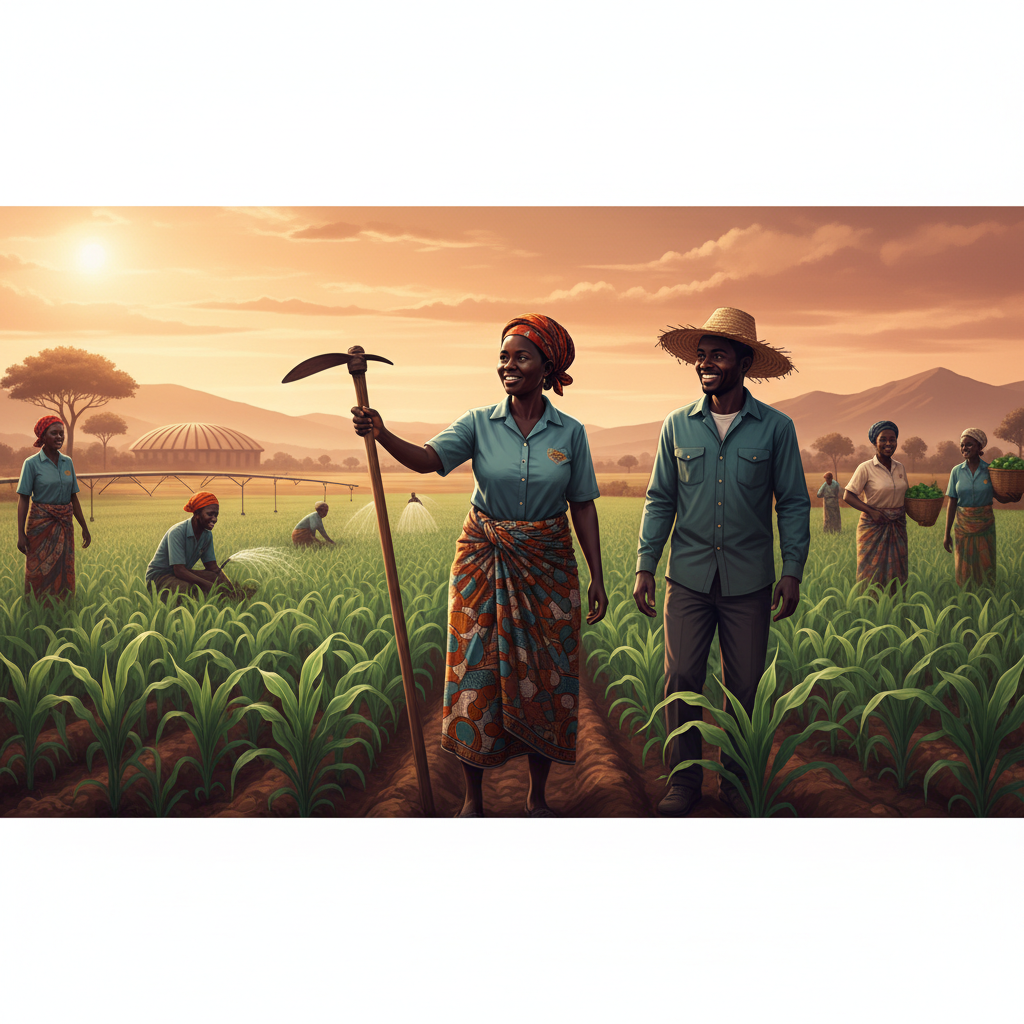
Mungwi District Commissioner, Mr. Muma Musonda, recently underscored the Zambian government's steadfast dedication to the comprehensive improvement of the agriculture sector. Speaking at a local event in Mungwi, a district vital to Northern Province's agricultural output, Mr. Musonda articulated the administration's ongoing efforts to not only support but also fundamentally transform farming practices nationwide. This commitment is viewed as crucial for bolstering national food security, fostering economic diversification, and uplifting the living standards of countless Zambian farmers. The District Commissioner highlighted that the government is actively seeking and implementing various strategies to achieve this transformation. These initiatives often include enhancing access to affordable farming inputs such as fertiliser and improved seed varieties, expanding irrigation schemes to mitigate over-reliance on rain-fed agriculture, and providing crucial extension services to equip farmers with modern techniques. Furthermore, there is a strong emphasis on market access, ensuring that farmers can sell their produce at competitive prices, thereby making agriculture a more lucrative and sustainable venture. Zambia's economy has historically been heavily reliant on copper mining, but successive governments have recognised the immense potential of agriculture as a primary driver for sustainable growth and employment. The sector employs a significant portion of the rural population and holds the key to reducing poverty and malnutrition. The current administration's focus on improving agricultural productivity is therefore a strategic move to diversify the economy and build resilience against external shocks, such as fluctuating commodity prices or global economic downturns. In Mungwi, like many other districts across Zambia, smallholder farmers form the backbone of the agricultural landscape. Their challenges often include limited access to finance, inadequate infrastru