GARRY NKOMBO’S EXIT FROM UPND COULD RESHAPE ZAMBIA’S POLITICAL LANDSCAPE
POLITICSBy Zambian Observer — Zambian Observer
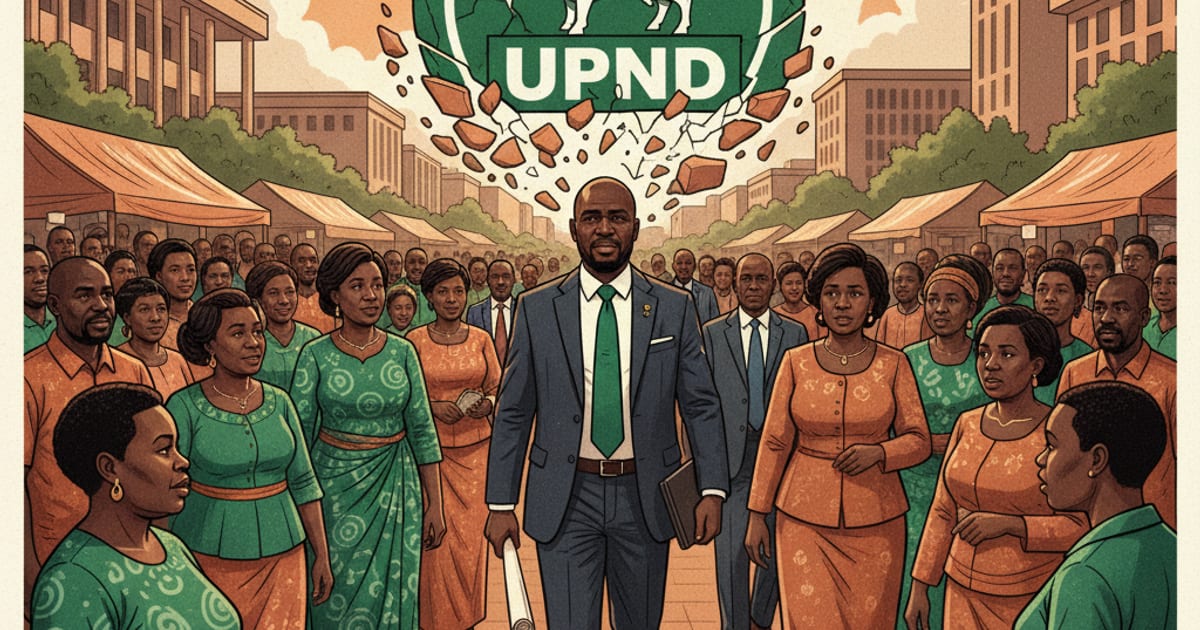
LUSAKA – Speculation is rife across Zambia regarding the potential departure of veteran politician and Mazabuka Central Member of Parliament, Garry Nkombo, from the ruling United Party for National Development (UPND). While official confirmation remains pending, reports suggest that Nkombo, a long-standing and influential figure within the party, might be contemplating a move that could profoundly reshape the nation's political dynamics. Mr. Nkombo has been a cornerstone of the UPND for many years, serving as a prominent voice in Parliament and holding various key positions, including his current role as Minister of Local Government and Rural Development. His political career has been marked by a strong presence in the Southern Province, a traditional stronghold for the UPND. A potential exit would not only leave a significant vacuum in the party's leadership but could also send ripples through its support base, particularly in regions where his influence is deeply entrenched. Such a move would undoubtedly be viewed as a major blow to the party's cohesion and its public image. The implications of Mr. Nkombo's potential resignation extend beyond internal party dynamics. It could signal growing internal dissent or dissatisfaction within the UPND, prompting other members to reconsider their allegiance. Historically, such high-profile defections have often preceded broader political realignments, especially as the country approaches the next general elections. Opposition parties would likely seize upon this development, using it to highlight perceived weaknesses or divisions within the ruling party, thereby attempting to galvanize their own support. Furthermore, Nkombo's departure could force the UPND to re-evaluate its strategies and leadership structure. The party would need to swiftly address the void left by such an experienced and charismatic politician, both in terms of parliamentary representation and grassroots mobilization. This situation could also open doo