Can Africa tackle the oil shock from the Iran war?
BUSINESSBy Unknown — Al Jazeera English
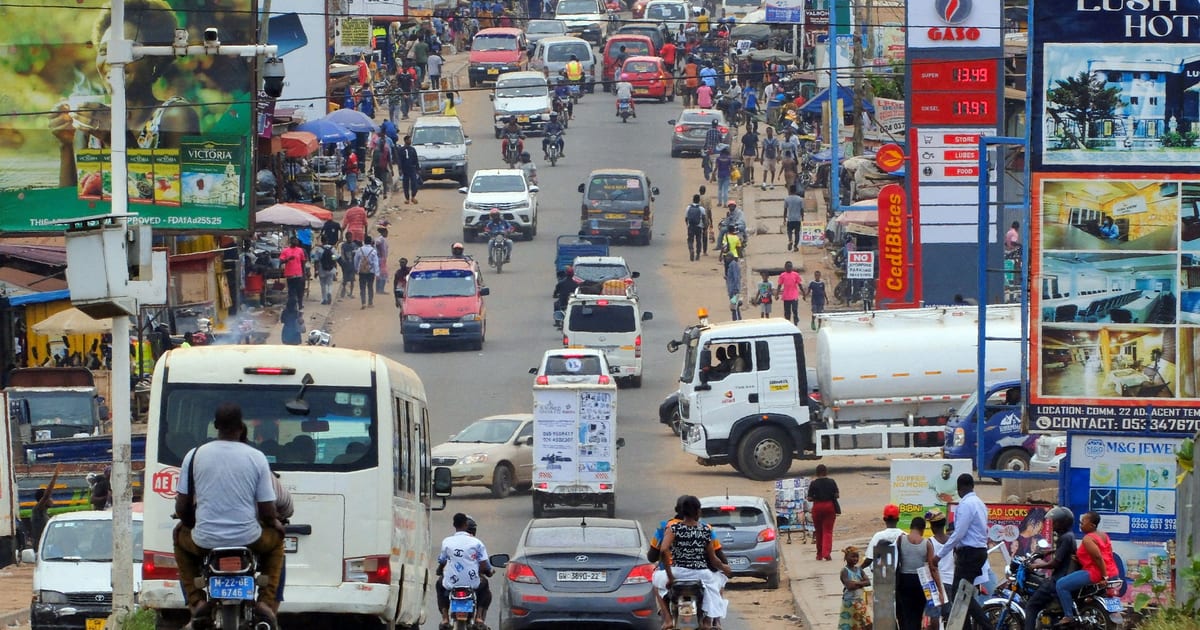
**Lusaka, Zambia** – The escalating conflict in the Middle East, particularly the ongoing Iran war, has sent ripples of concern across global energy markets, with African nations, including Zambia, finding themselves precariously positioned amidst the ensuing oil shock. This geopolitical upheaval has severely disrupted traditional Middle Eastern oil supply lines, exacerbating pre-existing vulnerabilities in economies heavily reliant on imported petroleum. For Zambia, a landlocked nation entirely dependent on imported fuel, this crisis translates directly into significant economic headwinds, threatening to derail nascent recovery efforts and place immense pressure on the daily lives of its citizens. The immediate impact on Zambia is palpable, manifesting as a sharp increase in fuel prices at the pump, a direct consequence of soaring international crude oil costs and freight charges. This upward trajectory in energy expenses inevitably trickles down through the entire economic chain, inflating operational costs for businesses across all sectors, from manufacturing and agriculture to mining and transport. Commuters are already bracing for higher bus fares, while families face the grim prospect of increased prices for essential goods and services, fueling inflationary pressures that could erode purchasing power and deepen household poverty. This situation underscores Zambia’s historical susceptibility to global commodity price fluctuations, particularly oil, serving as a stark reminder of the urgent need for robust economic shock absorbers. While government pronouncements may focus on proactive measures to scout alternative supply chains and emphasize the nation's resilience, independent media and the public sphere are scrutinising the efficacy of such strategies. The 'Voice of the People' on social media platforms is already resonating with frustration over the rising cost of living, with many questioning the government's preparedness and its ability to cushion ordin