South Africa xenophobia response under fire
REGIONALBy Kathy Short — DW (English)
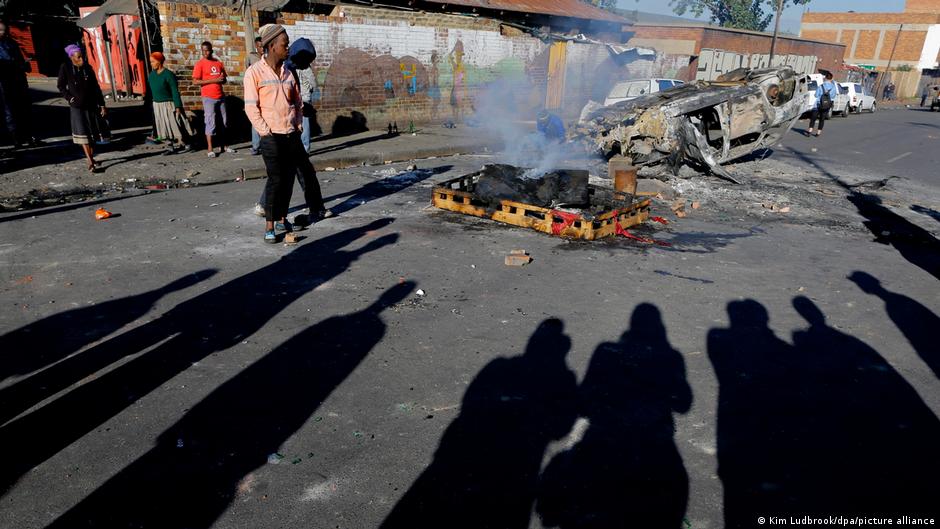
Lusaka, Zambia – As anti-foreigner tensions once again simmer in various parts of South Africa, a critical spotlight is being cast on the efficacy of the South African government's strategy in addressing xenophobia. Critics argue that while condemnations of violence are swift, the preventative measures and subsequent justice mechanisms remain woefully inadequate, a situation that has direct implications for Zambian nationals living and working in the neighbouring country. South Africa has a troubling history of xenophobic outbreaks, with significant violence recorded in 2008, 2015, and 2019. Each instance has seen foreign nationals, including many from Zambia and other SADC countries, targeted by mobs, leading to loss of life, property destruction, and widespread displacement. The recurring nature of these incidents suggests a systemic failure in addressing the root causes and implementing sustainable solutions, moving beyond mere condemnations to proactive engagement. Analysts point to several critical shortcomings. Firstly, there is a perceived lack of robust preventative measures, with early warning signs often unheeded or downplayed. Secondly, the rate of arrests and successful prosecutions for xenophobic crimes remains alarmingly low, fostering a culture of impunity that emboldens perpetrators. This lack of accountability sends a dangerous message that such acts carry minimal legal consequences, further eroding trust among foreign communities and their home governments, including Zambia's. Furthermore, the role of political rhetoric has come under scrutiny. While some leaders call for calm, others are accused of employing language that subtly or overtly fuels anti-foreigner sentiment, particularly concerning issues like unemployment and service delivery. Such narratives can inadvertently legitimise discrimination and incite violence, making the environment more precarious for expatriate communities. For Zambia, this means a constant state of vigilance and re