Shoprite gives Proudly Zambian goods their own shelves, and they may stay
BUSINESSBy ZPP Newsroom
Source: Zambia Association of Manufacturers press release
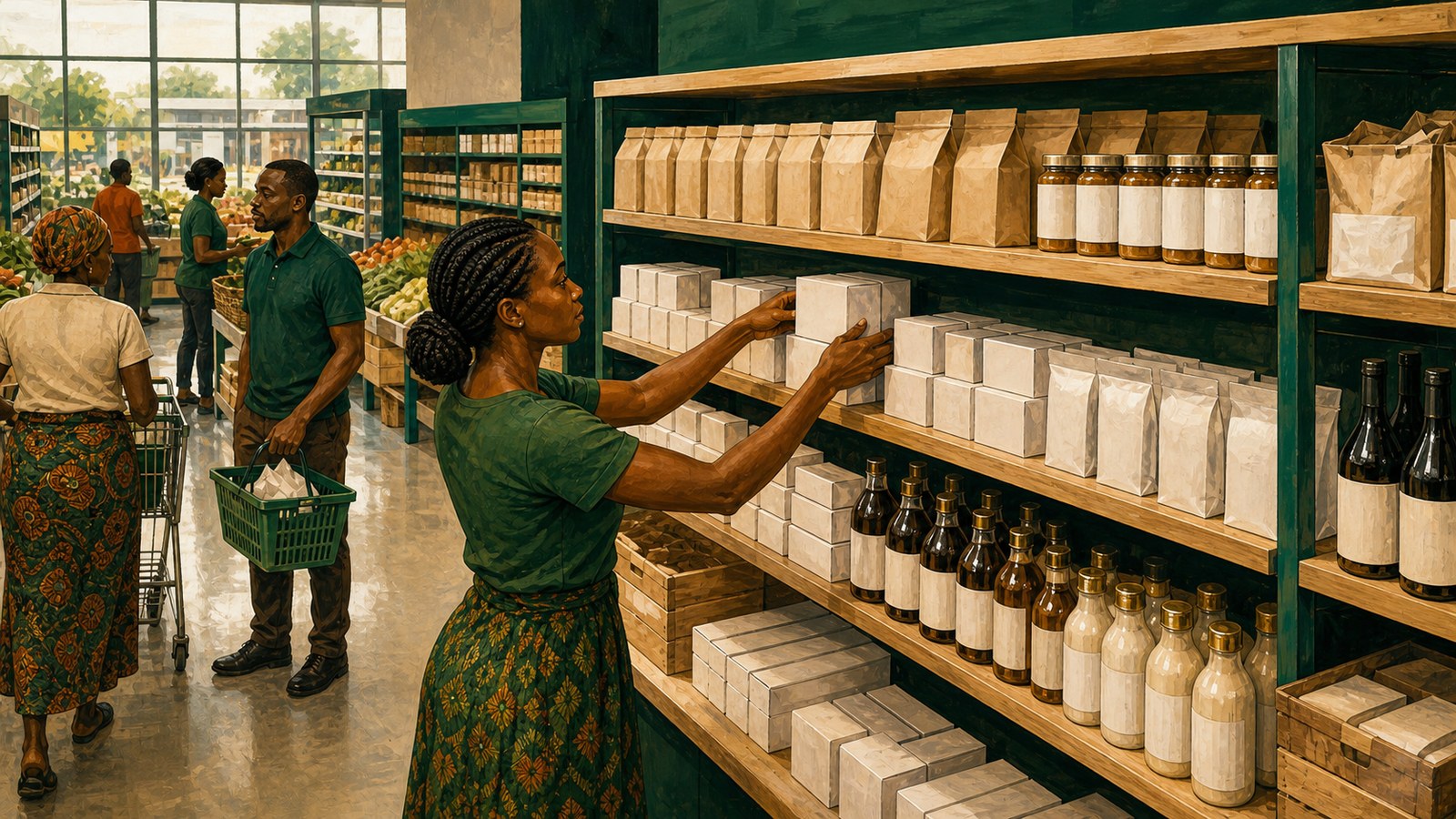
Shoppers in Shoprite stores across Zambia can now find locally made products grouped together on their own shelves, under a new partnership between the retailer and the Zambia Association of Manufacturers (ZAM). The dedicated stands, known in the trade as gondolas, carry only products certified under the Proudly Zambian Campaign. They were introduced during ZAM's Manufacturers Month in September and are meant to make Zambian goods easier to spot and choose, under the campaign's message to "Think Local First". Shoprite already stocks a wide range of goods from certified local suppliers. The new displays pull them into one place rather than leaving them scattered across the aisles. ## From a one-month promotion to a permanent fixture The displays began as part of September's Manufacturers Month activities, but both organisations say they want to go further. After a joint review, ZAM and Shoprite will explore keeping a permanent Proudly Zambian presence in Shoprite stores. They also plan supplier-matching sessions to put local manufacturers in front of Shoprite's buying teams. For a small Zambian manufacturer, a meeting with Shoprite's buyers is the route to having products stocked in its stores nationwide, not just on a promotional stand for a month. ZAM announced the partnership on 22 October, with ZAM President Mohammed Umar and Shoprite Zambia General Manager Charles Bota photographed beside one of the new displays. ## How to spot a Zambian product Certified goods carry the Proudly Zambian logo on their packaging, a circular mark with the words "think local first". The campaign is run by ZAM together with the Ministry of Commerce, Trade and Industry, and is chaired by Ruth Chande Ironside. The push ties into government policy. Opening the First Session of the 14th National Assembly on 9 October, President Hakainde Hichilema said the Proudly Zambian Campaign was shifting consumer and institutional buying towards local goods, and that every kwacha spent on a Z