117,000 farmers collect FISP inputs in Central Province
BUSINESSBy ZPP Newsroom
Source: Lusaka Times
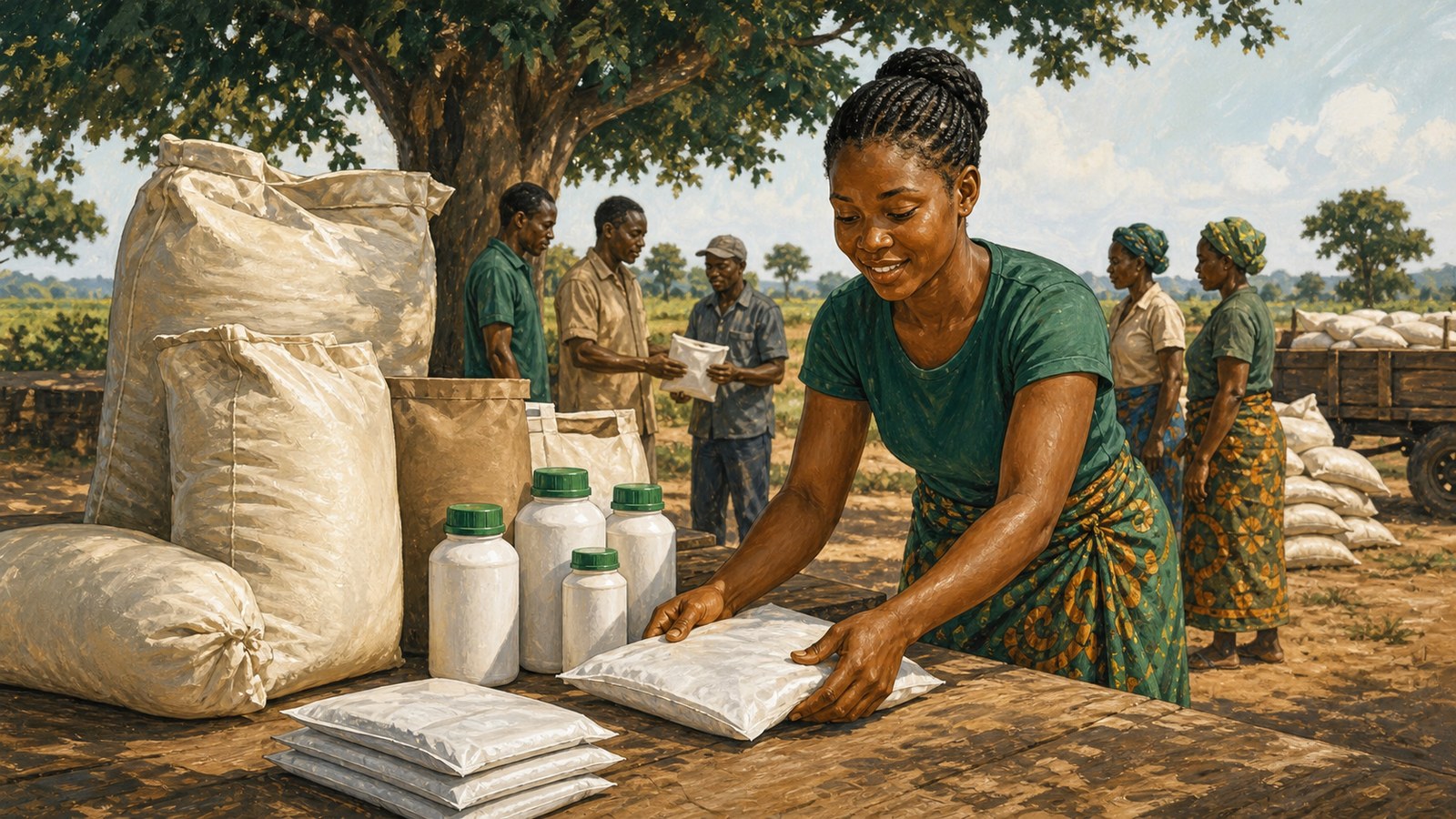
More than 117,000 smallholder farmers across Central Province have successfully collected their agricultural inputs under the Farmer Input Support Programme (FISP) ahead of the 2026/2027 farming season. This development marks a significant step forward in government efforts to ensure timely delivery of fertilizers and seeds, addressing historical challenges related to logistical bottlenecks and seasonal delays that have frequently plagued the agricultural sector in previous years. Provincial authorities have emphasized that early distribution is critical for maximizing crop yield and supporting national food security goals. By ensuring that inputs reach rural farming communities before the onset of the heavy rains, the government aims to give smallholder farmers adequate preparation time. Central Province remains one of Zambia's key agricultural heartlands, making efficient input distribution vital for regional productivity and economic stability. The rollout aligns with broader administrative reforms within the Ministry of Agriculture, which has been pushing to refine both the Electronic Voucher (e-voucher) system and traditional distribution frameworks. Authorities have continually urged beneficiaries to utilize the inputs for their intended agricultural purposes rather than engaging in illegal resale, warning that punitive measures await violators who undermine national food production efforts. Stakeholders and agricultural experts have largely welcomed the early progress, noting that predictable input supply directly correlates with improved household food security and higher commercial output. However, farmer cooperatives continue to stress the need for transparent beneficiary listing and consistent monitoring of agro-dealers to prevent localized shortages or administrative friction at distribution centers. As the 2026/2027 agricultural calendar gathers momentum, the focus now shifts to weather patterns and extension service delivery to support farmers thro