Given Lubinda questions process used to appoint Leader of Opposition in Parliament
POLITICSBy ZPP Newsroom
Source: Zambian Observer
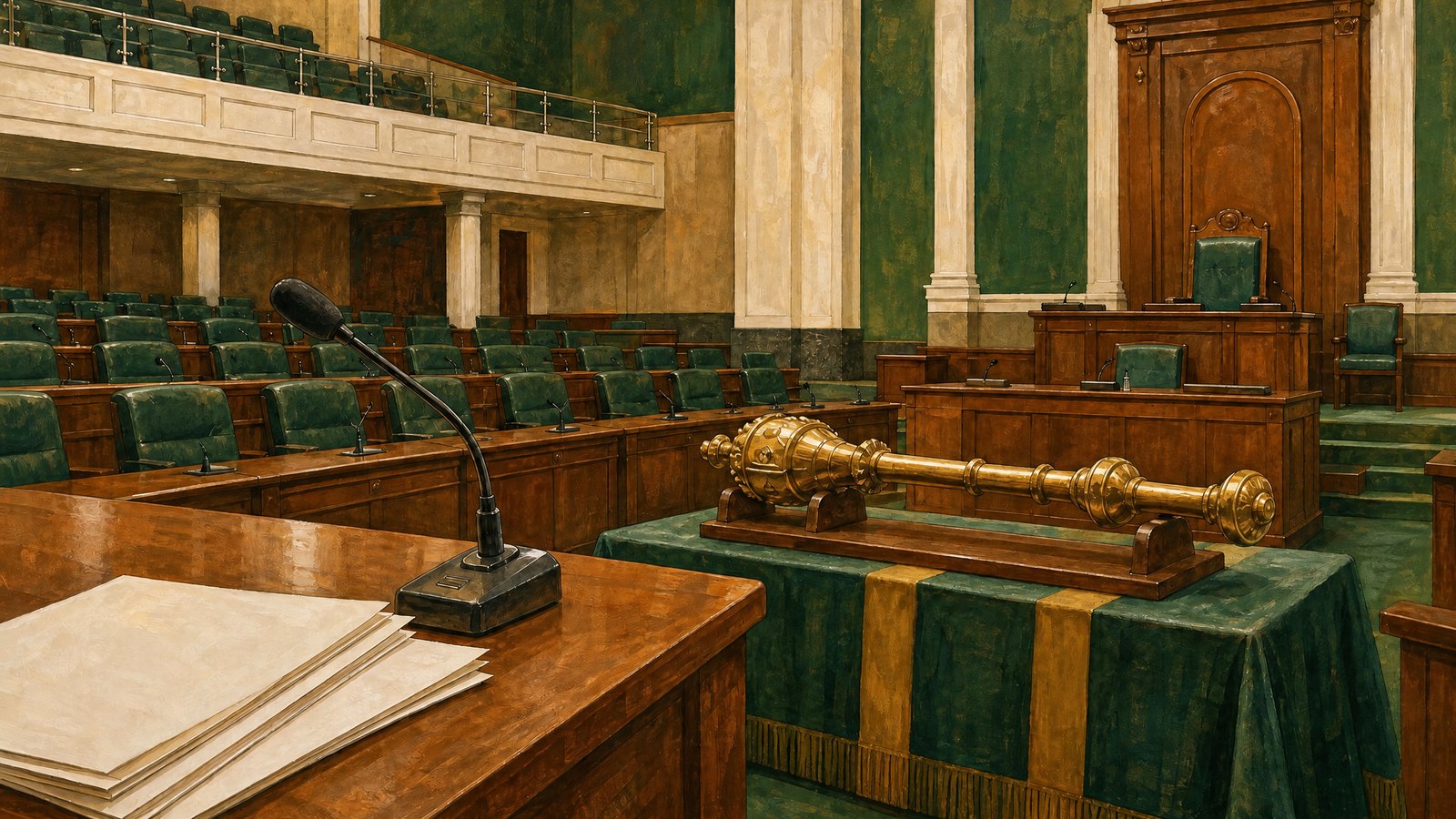
The political landscape in Zambia has witnessed fresh debates surrounding parliamentary governance after veteran politician and former Patriotic Front (PF) Vice President, Given Lubinda, publicly questioned the procedures implemented in the National Assembly regarding the appointment of the Leader of the Opposition. Lubinda’s remarks have reignited discussions on internal party dynamics, legislative representation, and the fundamental frameworks that govern how opposition voices are structured and recognized within the Zambian legislature. Speaking on the architecture of governance and democratic accountability, Lubinda stressed that a thriving democracy requires a well-defined and uncompromised opposition front. He noted that ambiguities or perceived procedural flaws in selecting key parliamentary leadership positions weaken the collective oversight role that the opposition is constitutionally mandated to provide. According to the seasoned politician, the citizenry depends on a strong, independent opposition to challenge executive policies, question budgetary allocations, and ensure that the government remains fully accountable to the public between electoral cycles. The appointment of a Leader of the Opposition in Zambia's unicameral parliament is governed by specific standing orders and constitutional provisions, typically reflecting the numerical strength of political parties represented in the House. However, shifting alliances, internal factionalism, and floor-crossing tendencies have historically complicated these transitions. Political analysts observe that opposition fragmentation often creates procedural challenges for the office of the Speaker when determining which grouping or coalition commands the majority among opposition legislators, thereby qualifying to hold the prestigious and influential leadership role. Lubinda’s critique touches on broader concerns about institutional integrity and the cohesion of opposition parties in the post-2021 politica