MISS ZAMBIA 1974: SHE CHALLENGED MISS WORLD, LOST HER CROWN, BUT REFUSED TO BOW
ENTERTAINMENTBy ZPP Newsroom
Source: Zambian Observer
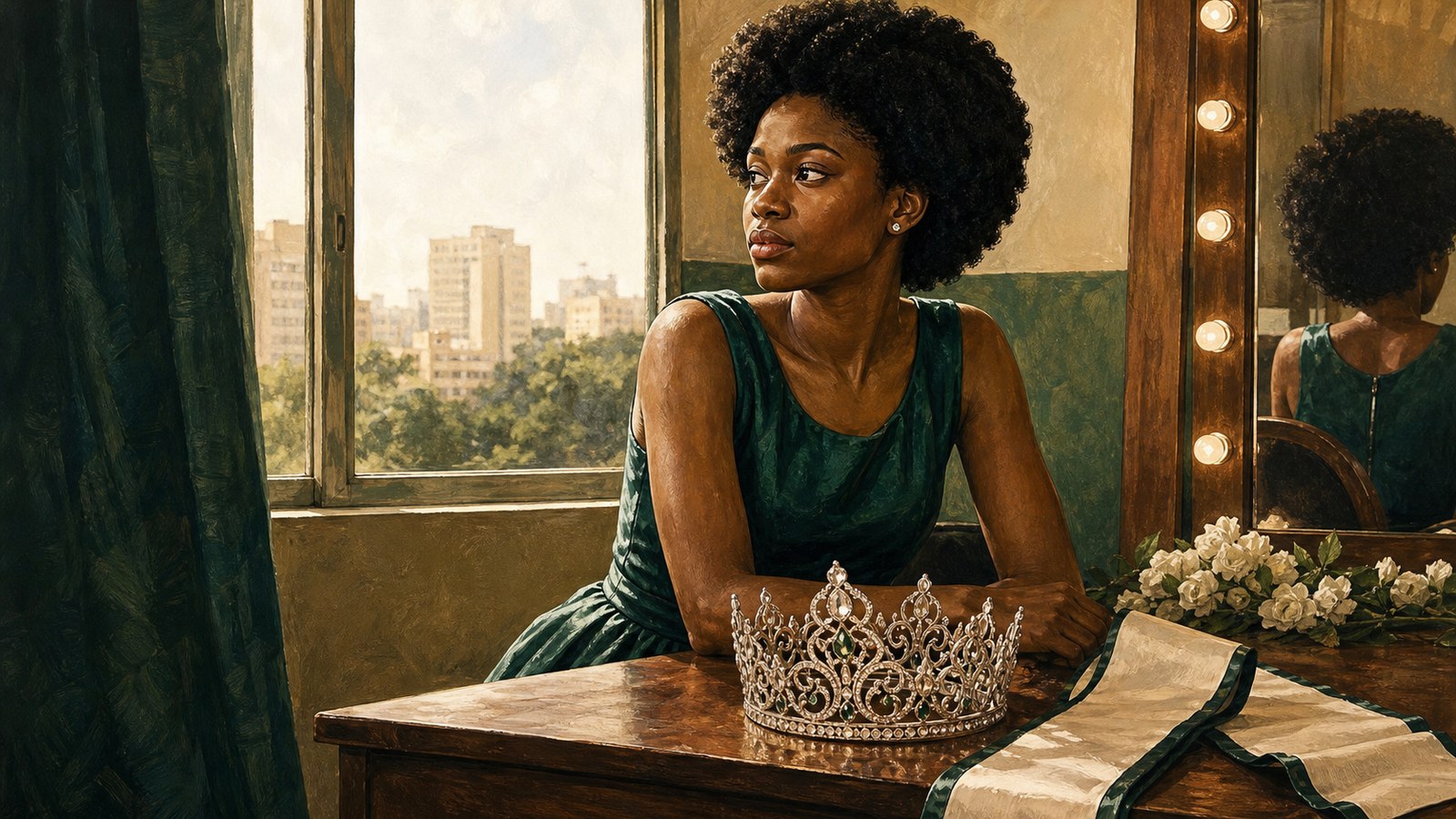
In the annals of Zambian cultural and social history, few figures match the quiet, unyielding defiance of Christine Munkombwe. Back in 1974, the then 18-year-old made history by winning the inaugural Miss Zambia crown, earning her the unprecedented honor of becoming the first-ever Zambian woman to grace the international Miss World stage in London. Fresh out of high school and having triumphed first at the provincial level in Southern Province, Munkombwe stepped onto the global arena carrying the hopes, dreams, and cultural identity of a newly independent nation. Yet, what was meant to be a celebration of international glamour quickly unmasked deeper structural prejudices within the global fashion and pageant industries. Upon arriving in the British capital, Munkombwe and other contestants of color, including representatives from Botswana, Jamaica, the Bahamas, and Bermuda, encountered glaring disparities in treatment and media visibility. While white contestants enjoyed daily newspaper features and prominent television broadcast spots, black participants were systematically marginalized, denied basic publicity, and sidelined from crucial segments such as the National Dress competition, which judges evaluated through incomplete television clips. Rather than remaining silent to protect her status, Munkombwe joined forces with her peers, standing up against the organizers and demanding equity and basic dignity for women of color. Returning home to Lusaka, Munkombwe did not sugarcoat her experiences. In a candid interview with the Times of Zambia, she publicly detailed the institutionalized racism she endured throughout her stay in London. Her bold revelations sent shockwaves through the local entertainment and corporate sponsorship landscape. Instead of rallying behind a young compatriot who had bravely exposed international discrimination, certain local sponsors and pageant stakeholders reacted with swift punitive pressure. Munkombwe was reportedly ordered to publi