NGO WASH Forum calls for increased funding in water, sanitation
HEALTHBy ZPP Newsroom
Source: Lusaka Times
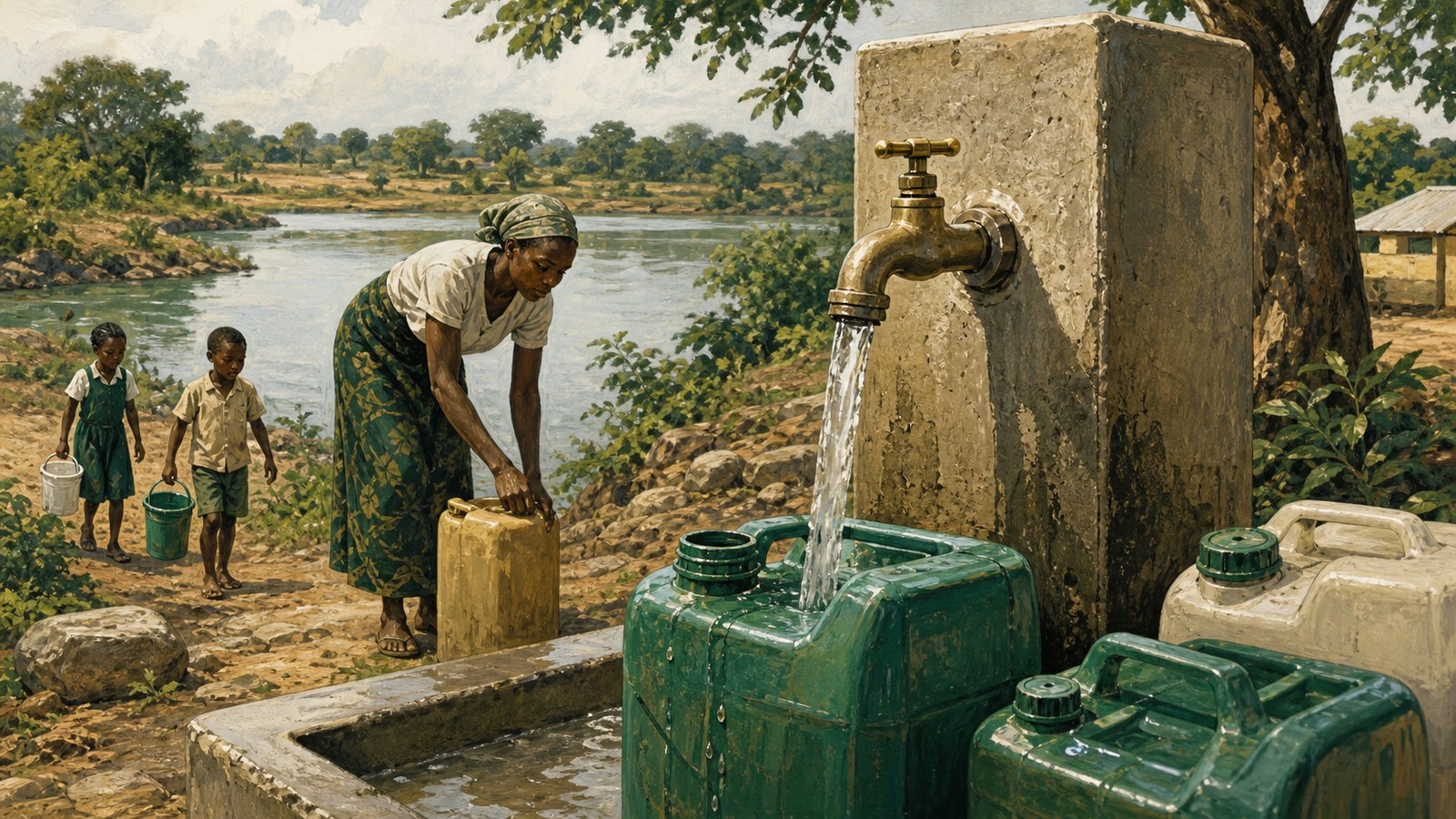
The NGO WASH Forum has stepped up its advocacy campaign, calling upon the central government to prioritize and substantially increase resource allocations for water, sanitation, and hygiene (WASH) services in the 2027 National Budget. Stakeholders argue that elevating financial support for the sector is an indispensable prerequisite for achieving the broader developmental milestones envisioned under the national growth agenda. Despite repeated warnings from public health advocates and civil society organizations regarding recurrent waterborne disease outbreaks, current allocations remain critically low compared to regional and national developmental benchmarks. Speaking through various consultative platforms alongside partners like WaterAid Zambia and the Jesuit Centre for Theological Reflection (JCTR), sector players have consistently pointed out that WASH financing hovers far below targets outlined in national strategic plans. Civil society groups note that chronic underfunding severely undermines rural and urban water infrastructure, leaving vulnerable communities exposed to preventable health crises. With rapid population growth and expanding informal settlements placing unprecedented pressure on municipal utilities, advocates maintain that incremental budgetary changes are no longer sufficient to close the infrastructure deficit. The call for heightened fiscal commitment is closely tied to the overarching imperatives of public health and economic productivity. Inadequate access to clean water and proper sanitation directly impacts educational continuity, as demonstrated by recurring hygiene challenges and compromised sanitation facilities across public schools. Furthermore, health experts reiterate that robust investment in preventative WASH infrastructure acts as a vital shield against epidemic outbreaks such as cholera, thereby reducing the heavy economic and human toll historically borne by the national healthcare system. As the Ministry of Finance and Na