Lavushimanda vaccinates 7,013 domestic animals against anthrax
HEALTHBy ZPP Newsroom
Source: Lusaka Times
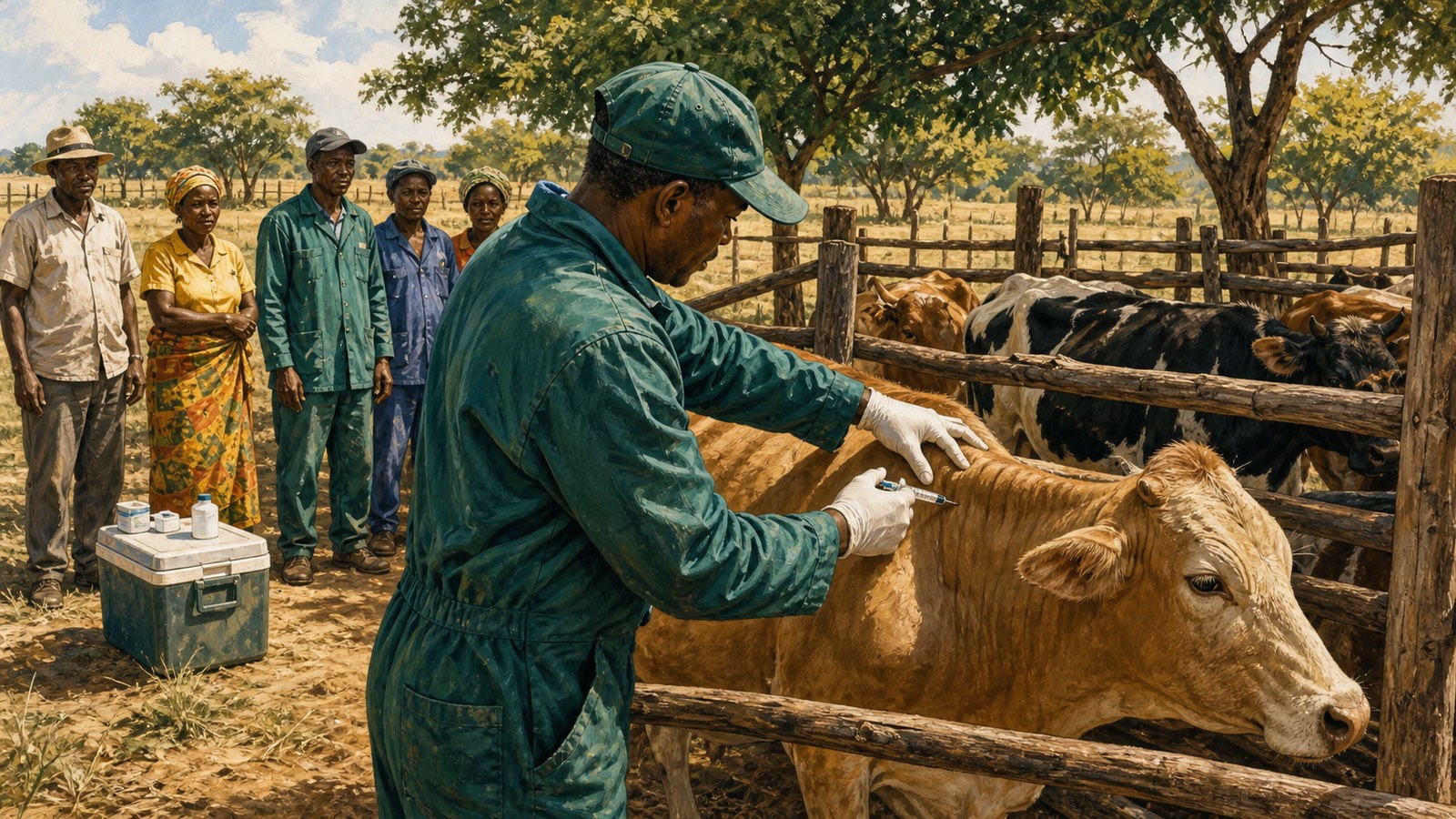
The Department of Fisheries and Livestock in Lavushimanda District, Muchinga Province, has reached a critical milestone in its ongoing animal health campaign by vaccinating 7,013 domestic animals against anthrax. This proactive immunization drive is part of a coordinated provincial response launched to curb potential spillover risks from wildlife and protect the livelihoods of rural livestock farmers. Anthrax, a severe bacterial disease caused by Bacillus anthracis, poses a persistent threat to both animal and human populations in parts of Zambia. Recent ecological monitoring and wildlife reports across Muchinga Province have highlighted localized mortalities, prompting veterinary authorities to step up surveillance and preventive interventions. By targeting susceptible livestock species—including cattle, goats, and sheep—the Department aims to build a robust immunity barrier before any active transmission can breach domestic herds. Local agricultural extension officers have praised the high level of cooperation shown by farmers in Lavushimanda District, noting that community participation is vital for achieving mass vaccination targets. Veterinary teams have traversed difficult terrain to reach remote farming communities, emphasizing the importance of preventative healthcare in safeguarding the national herd. These efforts align with broader government objectives to secure the livestock sector, which remains a cornerstone of rural economic stability and food security. Beyond animal vaccination, health and livestock officials continue to conduct intensive public awareness campaigns. Farmers and local residents are routinely urged to avoid handling or consuming meat from animals that die suddenly or exhibit unexplained symptoms. Strict movement controls and veterinary inspections on meat products are being enforced across Muchinga Province to mitigate zoonotic risks and ensure that animal proteins reaching local markets remain safe for public consumption.