ZAMBIAN WOMAN RE-ELECTED TO TOP INTERNATIONAL HERITAGE POSITION
INSTITUTIONSBy ZPP Newsroom
Source: Zambian Observer
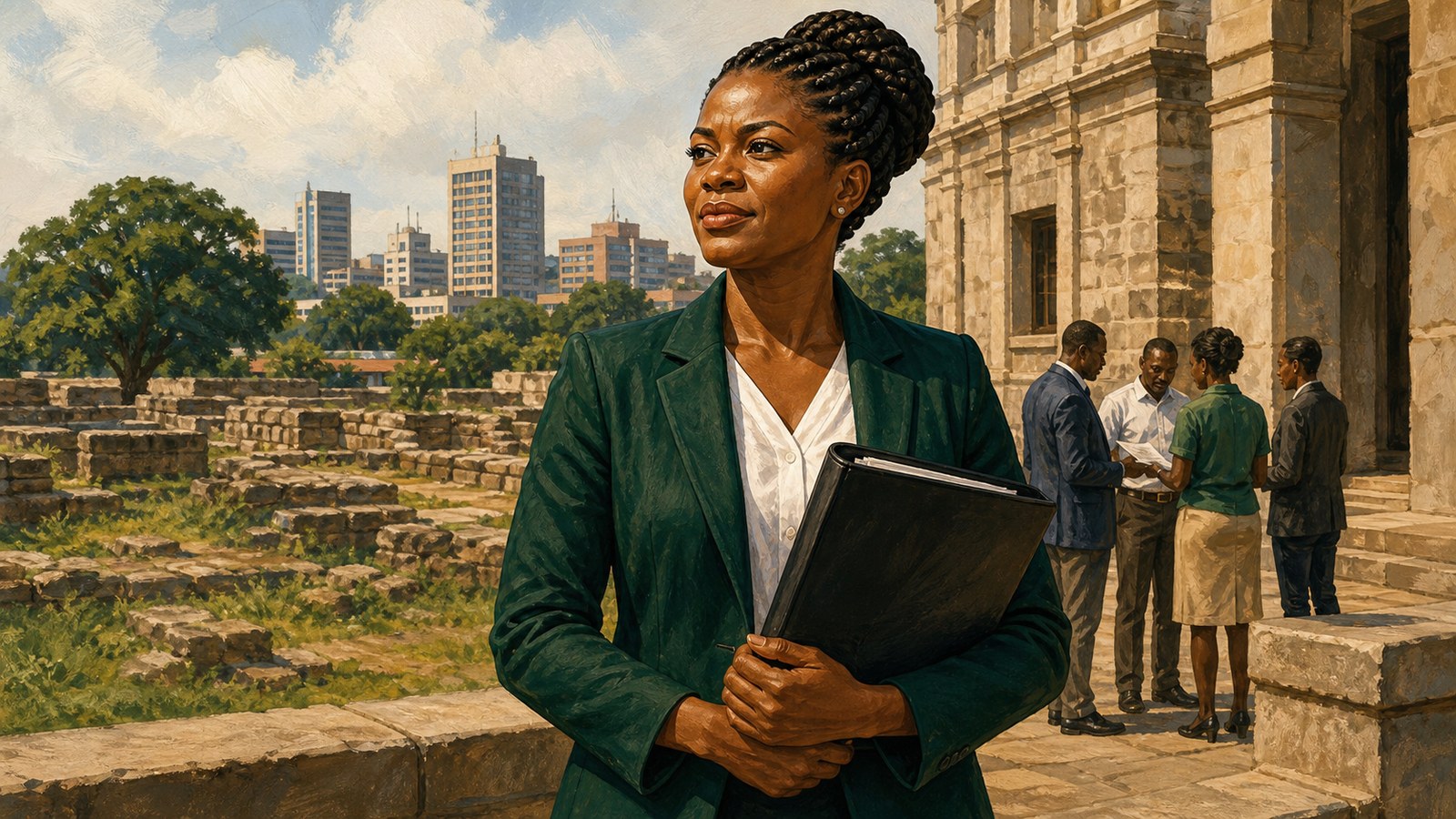
Zambian architect and heritage conservation expert Chilangwa Chaiwa has once again been elected to the global stage, securing her position as Vice-President of the International Council on Monuments and Sites (ICOMOS) for the 2026–2029 term. The announcement was made during the organization's recent General Assembly, affirming Ms. Chaiwa's sustained leadership representing the Africa regional group within the international governing body. Her continued tenure underscores a major milestone not only for her professional career but also for Zambia's rising prominence in international heritage discourse and policy formulation. Ms. Chaiwa brings extensive credentials to the role, having trained as an architect at the Copperbelt University before acquiring a Master's degree in World Heritage and Cultural Projects for Development from Turin University in Italy. Over the past decade, she has worked extensively across multiple facets of conservation, including heritage impact assessments, built heritage preservation, and cultural landscape management. Domestically, she has contributed significantly through her work with the National Heritage Conservation Commission (NHCC) and her role as Zambia's cultural heritage expert on the UNESCO World Heritage Committee. Her elevation to the ICOMOS Bureau ensures that African perspectives remain central to global conversations concerning the protection of historical monuments and archaeological sites. The re-election comes at a critical time when African heritage landscapes face unique pressures, ranging from climate change impacts and rapid urbanization to resource constraints and historical underrepresentation in international frameworks. During her previous tenure on the ICOMOS Board, Ms. Chaiwa actively championed initiatives to bridge capacity gaps, foster regional collaboration among African National Committees, and enhance risk preparedness for vulnerable sites. Stakeholders within the heritage sector anticipate that her conti