Government activates El Niño plan as 1.25 million face hunger risk and the south braces for a drier, hotter season
EnvironmentBy ZPP Newsroom
Source: Zambia Monitor
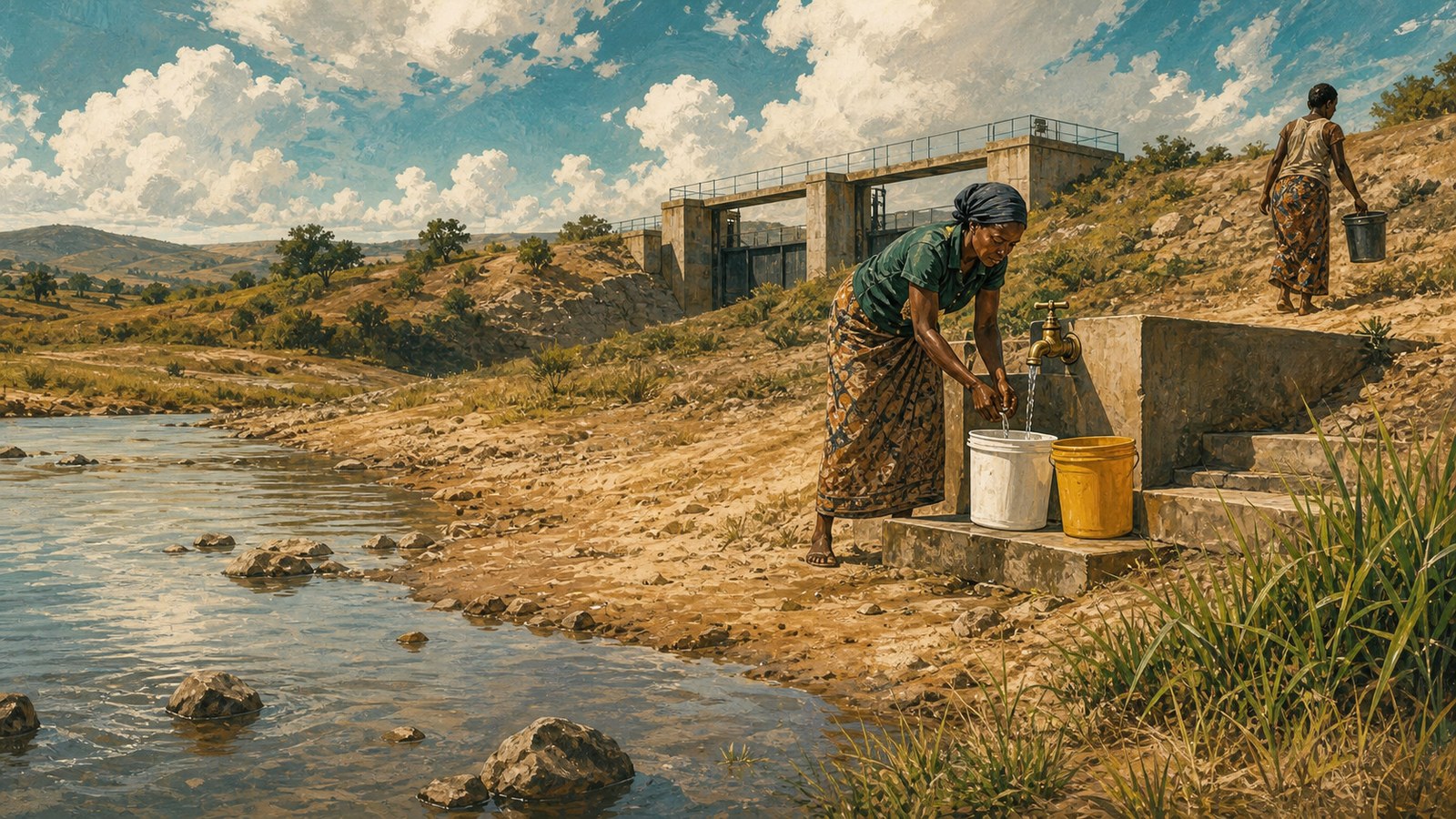
Government has activated a national preparedness plan for the 2026/2027 El Niño season and has already released K31.7 million to priority districts, Vice-President Mutale Nalumango told Parliament on Friday 23 October. The announcement came on the same day the Minister of Green Economy and Environment, Dr Gilbert Siame, warned the House that the rainy season is likely to be drier and hotter than normal, with the worst effects expected in the south. Ms Nalumango said the plan responds to early warnings of below-normal rainfall, long dry spells and possible drought, which could affect food, water, public health, electricity generation, livestock, schooling and livelihoods. Her office, through the Disaster Risk Management Division, has sent the money to districts in nine provinces: Eastern, Southern, Western, Central, Northern, North-Western, Muchinga, Lusaka and Luapula. She said provinces bought and handed out relief food locally, which cost less than moving supplies from Lusaka. The Division and its partners are now finalising a plan for more relief food or cash support during the lean period. The figures behind the plan come from the 2026 Zambia Vulnerability and Needs Assessment Report. It estimates that about 1.25 million people, or 7 percent of the population assessed across 93 districts, could face acute food insecurity between August 2026 and March 2027. Disaster management clusters have been activated, bringing together line ministries, cooperating partners, United Nations agencies, civil society and faith-based groups. The 2026/2027 El Niño Preparedness and Response Plan they drafted also covers floods and droughts. It aims to strengthen disease control in people and animals, improve access to safe water and sanitation, and secure maize through strategic grain reserves and market stabilisation. Dr Siame told the House the season is developing under El Niño, reinforced by a positive Indian Ocean Dipole, which makes a drier and hotter season more likely. Th