WHAT THE US$6.3 MILLION JAPANESE RAIL TECHNOLOGY GRANT MEANS FOR THE GROW ZAMBIA AGENDA, JOBS AND PROSPERITY
BUSINESSBy ZPP Newsroom
Source: Zambian Observer
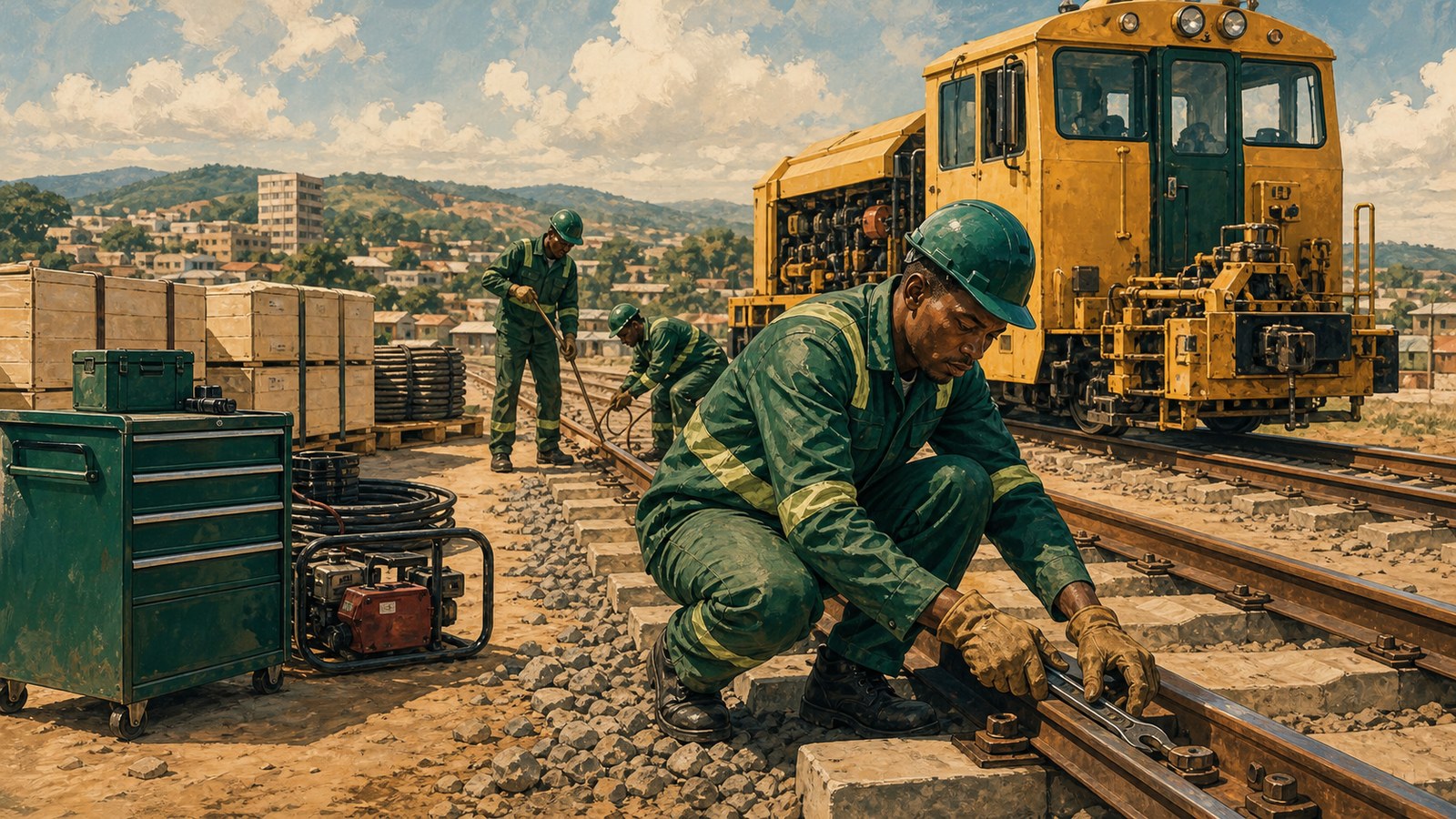
The government of Japan has extended a vital lifeline to Zambia's transport and logistics sector by committing a grant of approximately US$6.3 million, valued at 999 million Japanese yen. The formalization of this agreement took place during a high-profile signing ceremony in Lusaka, where Minister of Finance and National Planning Dr. Situmbeko Musokotwane and Japanese Ambassador to Zambia Mikami Akiteru executed the Exchange of Notes under Japan's Economic and Social Development Programme. This timely intervention is specifically designed to target critical maintenance bottlenecks within the country's railway network by supplying advanced equipment manufactured by leading Japanese enterprises. Ambassador Akiteru noted that the grant will facilitate the acquisition of specialized railway upkeep machinery, including crane-equipped motor cars and road-rail crane trucks capable of seamlessly transitioning between highways and railway tracks. For decades, Japan has refined its railway engineering to set global benchmarks for safety, punctuality, and operational efficiency. By channeling this advanced technology into Zambia Railways, the initiative addresses the root causes of chronic rail deterioration—enabling more reliable transit, preventing costly derailments, and restoring structural integrity to vital arteries like the Nacala and regional trade corridors. Dr. Musokotwane underscored that the Japanese assistance dovetails neatly with President Hakainde Hichilema’s broader Grow Zambia Agenda. Transport costs remain one of the most prohibitive barriers for Zambian exporters, forcing an overreliance on heavy freight trucks that degrade national highways prematurely. By boosting cargo capacity and cutting transit times via an efficient rail network, the country can move copper, agricultural produce, and manufactured goods to regional and international markets with far greater competitiveness. Furthermore, revitalized rail links are expected to attract supplementary p