Govt seeks K19.9bn supplementary budget
BUSINESSBy ZPP Newsroom
Source: Zambia Daily Mail
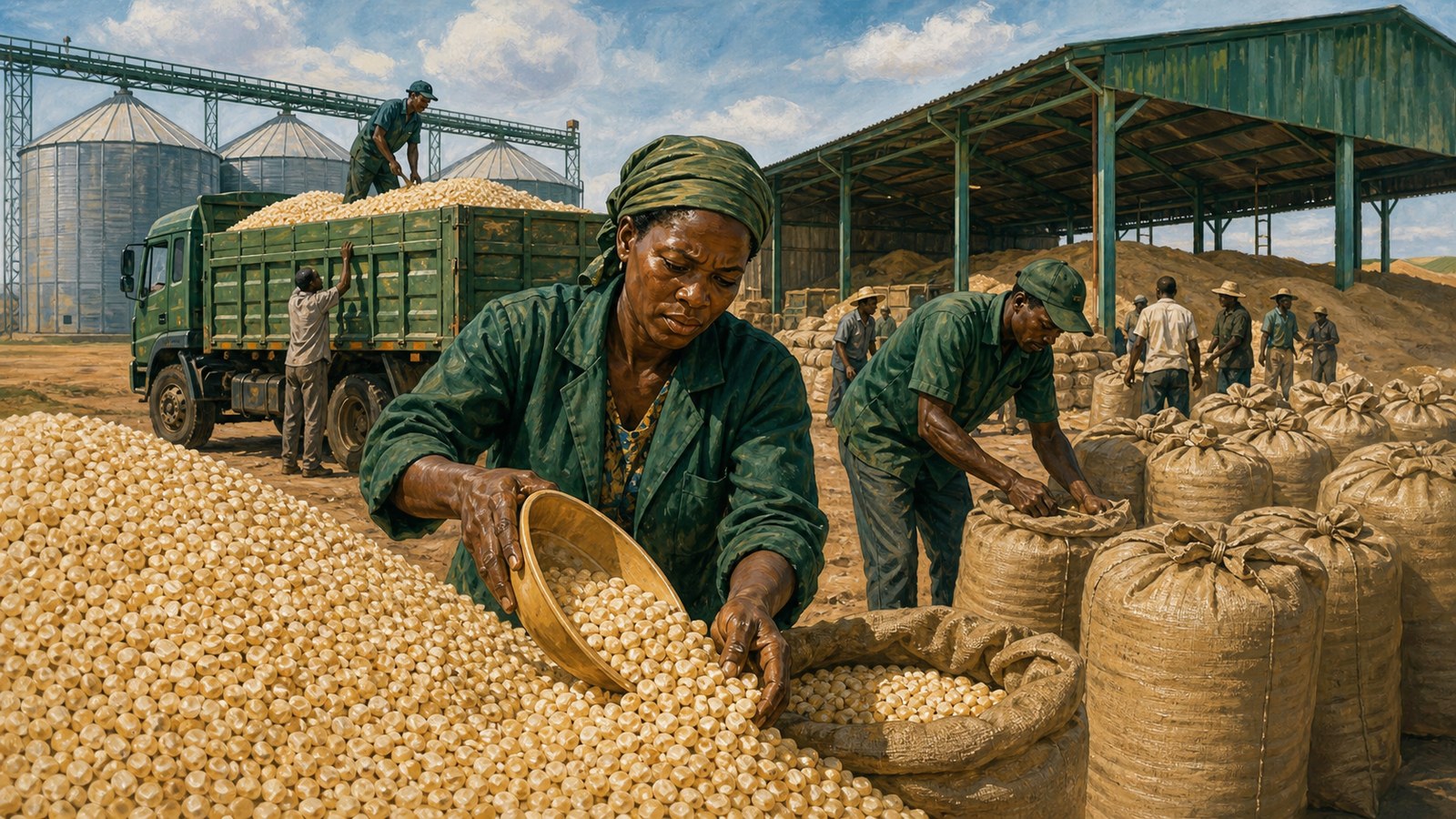
The Zambian government has formally tabled a K19.9 billion supplementary budget before Parliament, with an overwhelming emphasis on stabilizing the agricultural sector and settling historic dues owed to smallholder farming communities. Presenting the financial estimates in Lusaka, Minister of Finance and National Planning Situmbeko Musokotwane explained that the extraordinary fiscal adjustments are necessitated by unprecedented grain procurement volumes executed by the Food Reserve Agency (FRA) during the marketing season. According to the financial roadmap, a staggering K15.8 billion—representing approximately 79 percent of the entire supplementary package—has been channeled directly to the Ministry of Agriculture. Of this substantial allocation, K14.7 billion is strictly earmarked to clear mounting arrears for farmers who delivered maize to the FRA. Government figures reveal that the agency procured an astonishing 2.7 million metric tonnes of maize against an original modest target of 500,000 tonnes. Dr. Musokotwane defended the aggressive purchasing strategy as a crucial pre-emptive measure. He noted that the administration deliberately chose to exploit a localized bumper harvest to stockpile strategic national food reserves. This buffer is viewed as indispensable protection against severe agricultural shocks anticipated during the 2027 lean season, which meteorological models project will be heavily impacted by recurring El Niño weather patterns. In addition to grain payments, the agricultural allocation incorporates K1.1 billion designated to reinforce the Farmer Input Support Programme (FISP), ensuring the smooth rollout of the e-voucher system for the upcoming 2026/2027 farming season. Beyond agriculture, the supplementary estimates address several critical sectoral deficits across government operations. The education sector has been allocated K540 million to mitigate severe shortfalls concerning tuition fees and student upkeep allowances managed by the