Diplomatic Dean calls for Africa to Lead Its development
POLITICSBy ZPP Newsroom
Source: Lusaka Times
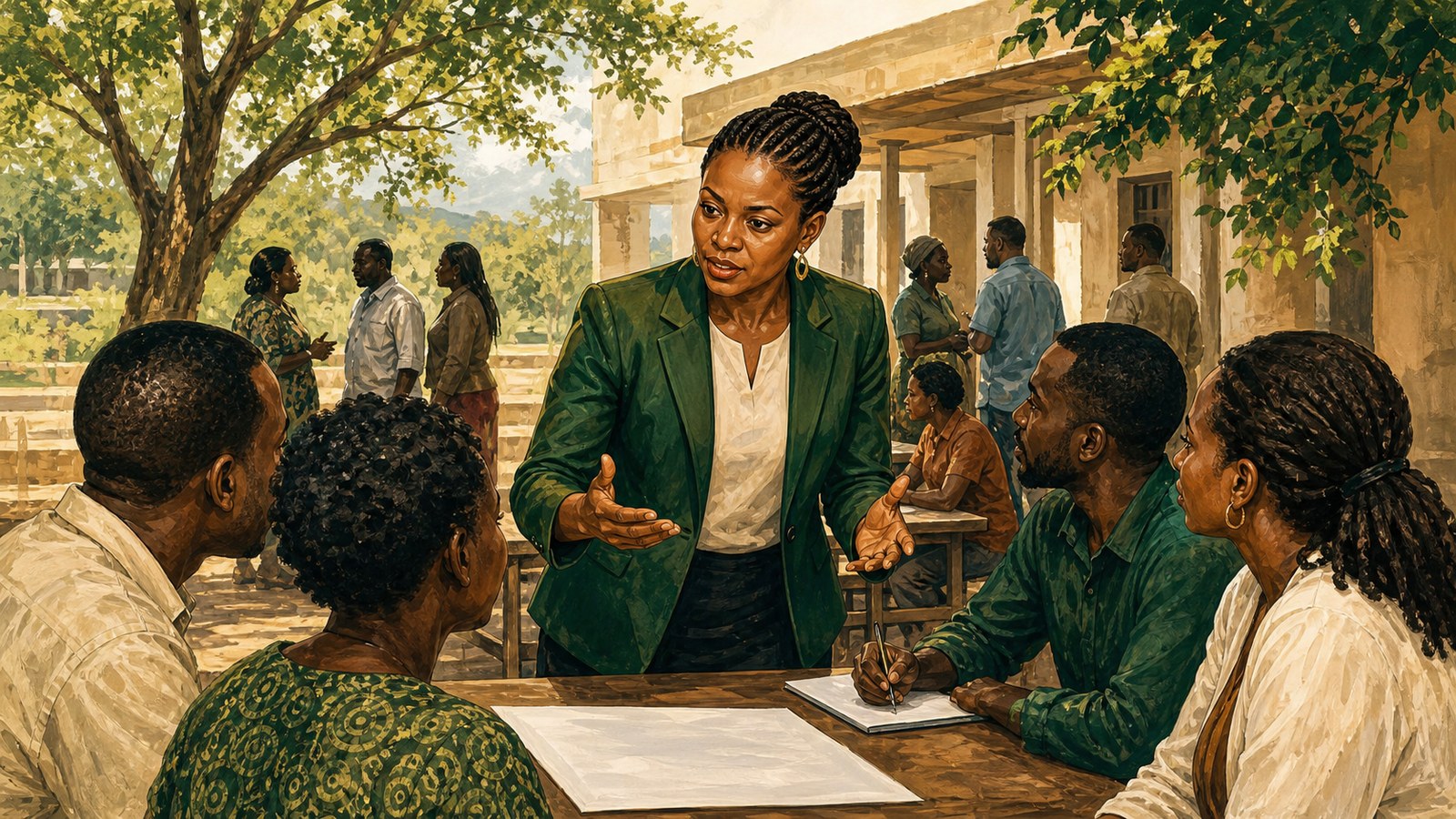
The Dean of the Diplomatic Corps in Zambia, Hawa Hassan Mohamed, has issued a compelling call for African nations to spearhead their own pathways toward sustainable development, enduring peace, and collective prosperity. Addressing key stakeholders, Ambassador Mohamed underscored that the continent's future rests firmly in the hands of its own people, requiring a decisive shift away from external dependency toward home-grown solutions and intra-African cooperation. Ambassador Mohamed highlighted that while international partnerships remain valuable, African states must cultivate greater economic and political autonomy. Her remarks resonate deeply within Lusaka, where policymakers have increasingly prioritized regional integration, economic diplomacy, and structural reforms to drive long-term growth. By championing local solutions to continental challenges, African nations can better insulate themselves against external economic shocks and global geopolitical shifts. In the Zambian context, this call for self-determination aligns closely with ongoing national efforts to stabilize the economy, enhance transparency, and foster a conducive environment for domestic and regional trade. Observers note that Zambia has steadily positioned itself as a beacon of democratic stability and peaceful governance in Southern Africa, making it an apt platform for such high-level continental messaging. Strengthening institutional frameworks and fostering regional trade agreements are seen as vital steps toward realizing the vision of an economically independent Africa. Furthermore, the Diplomatic Dean's message touches upon the broader conversation surrounding resource mobilization and governance across the continent. Experts argue that Africa possesses the human and natural capital required to dictate its developmental agenda, provided there is political will to tackle systemic bottlenecks such as corruption, infrastructure deficits, and low intra-continental trade volumes. Leaders