How 70 mushroom buckets changed the game for a women’s cooperative in Petauke, Zambia
BUSINESSBy Vincent Mofya
Source: Zambian Agribusiness
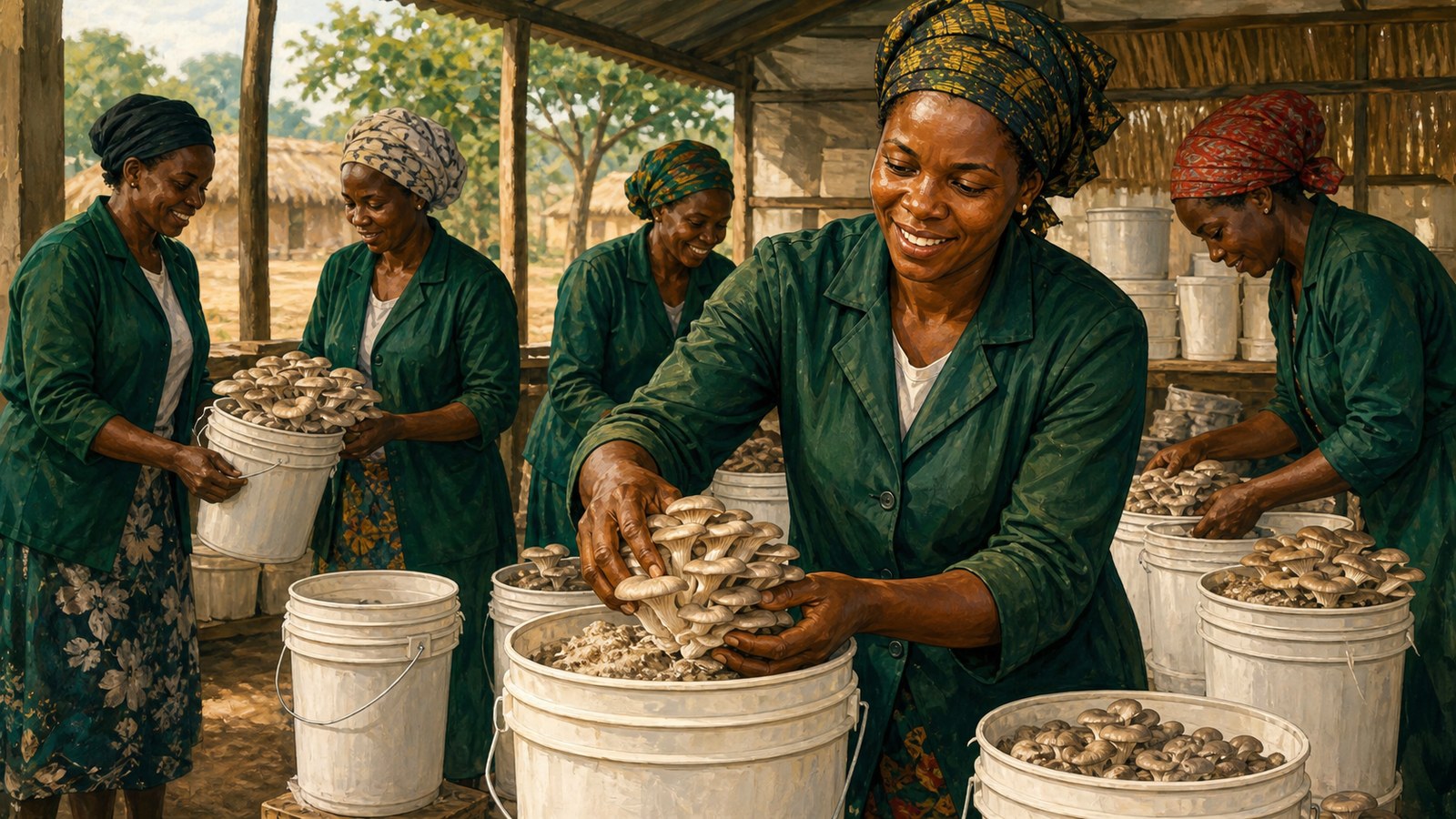
For 57-year-old Mary Daka of Merwe Village in Petauke District, farming is far more than a basic livelihood—it is an enduring way of life. Embracing the motto that there is no farmer, no future, and no life, Daka has become a leading force in local agricultural empowerment. Through her work with the Temwani Women's Development Club, she and fellow members have tapped into the lucrative potential of commercial mushroom production, turning a traditional subsistence activity into a thriving cooperative enterprise that supports families across the rural district. The turning point for the cooperative came through a collaborative development initiative involving Solidaridad, the Cotton Association of Zambia (CAZ), and the Food and Agriculture Organization (FAO). Recognizing the untapped potential of rural women in agriculture, the project provided critical infrastructure and inputs designed to overcome longstanding barriers. Members received 70 mushroom production buckets, agricultural lime, and essential training in financial literacy, equipping them with the tools needed to manage a sustainable business enterprise. Water scarcity has historically crippled rural agricultural projects across Eastern Province, but this intervention addressed the challenge head-on. The cooperative was provided with a dedicated borehole and a 10,000-litre water tank, ensuring a reliable, year-round water supply necessary for delicate mushroom cultivation and hygiene standards. This secure water infrastructure, coupled with a one-hectare game-wire fence, has protected crops and allowed members to maintain high productivity standards despite shifting weather patterns. The results have been remarkable for the local community. The cooperative has expanded its membership to 39 individuals, reflecting a growing appetite for economic self-reliance among women in the area. Together, the group has successfully generated K48,000 in income from their harvests. Part of these earnings funded their An