Additive Depletion: When Oil Runs on Empty
TECHNOLOGYBy Steven Lumley
Source: Zambian Mining News
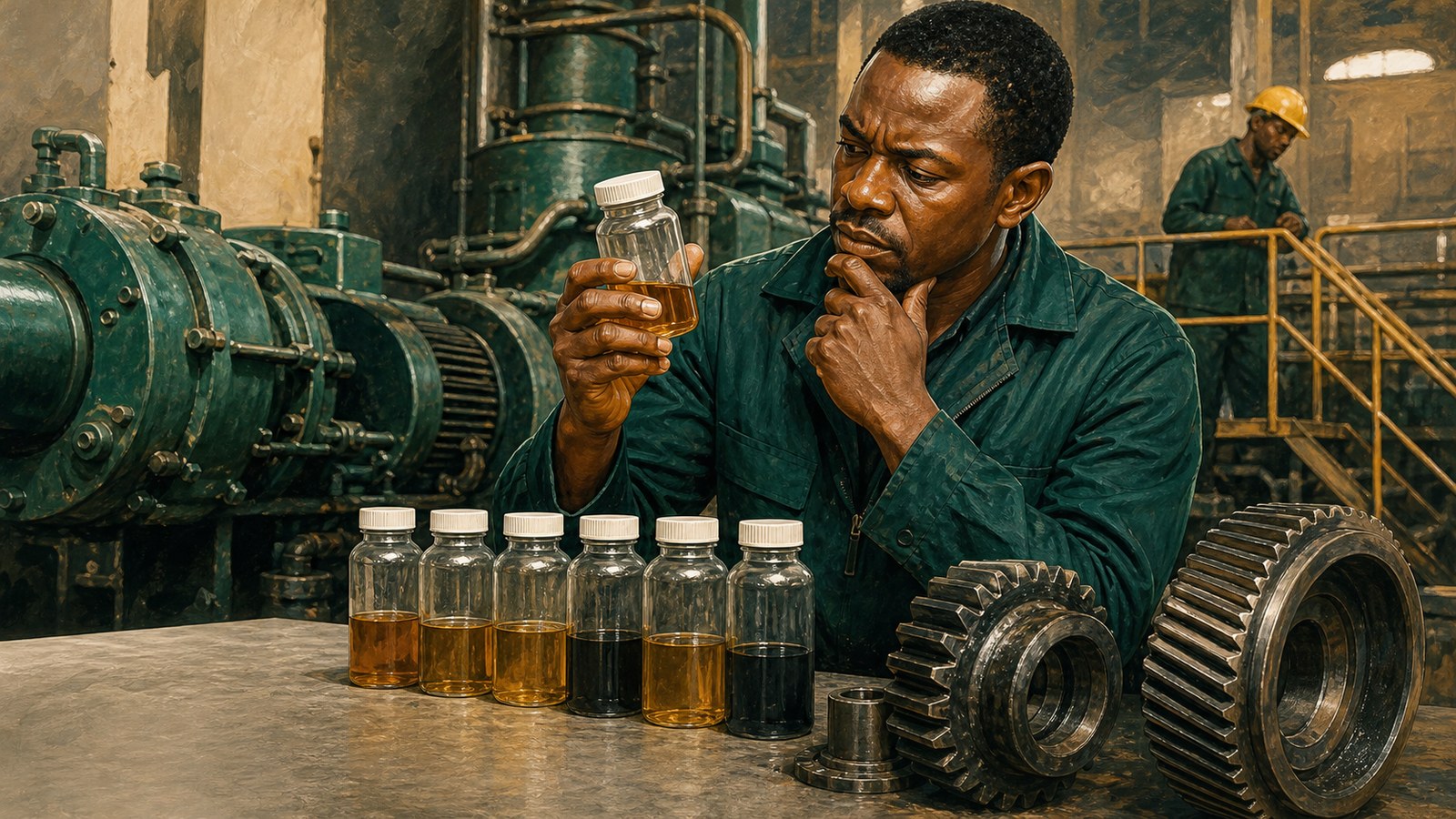
Industrial reliability across Zambia's booming mining and manufacturing sectors heavily depends on the microscopic performance of machinery lubricants. In the latest installment of the technical series 'When Good Oils Go Bad', WearCheck technical manager Steven Lumley examines the phenomenon of additive depletion, shedding light on how critical protective compounds in oils are consumed over operational lifecycles. While base oils provide the structural foundation for lubrication, film formation, and heat transfer, it is the sophisticated cocktail of organic and inorganic additives that dictates anti-wear, detergent, and antioxidant performance. As machinery operates under heavy loads in demanding environments such as the Zambian Copperbelt, these protective additives undergo continuous chemical transformation. Chemical depletion occurs when additive molecules are actively consumed or broken down to neutralize acids, scavenge free radicals, or prevent oxidation. Once these vital reserves are completely exhausted, lubricant degradation accelerates exponentially. Consequently, operators face a deceptive scenario where the fluid may still circulate smoothly and maintain an acceptable visual appearance, while its internal defense system is entirely depleted. This hidden vulnerability poses serious risks to heavy-duty industrial equipment, where unexpected component failure can trigger costly plant downtime. Without active detergents to neutralize corrosive byproducts or anti-wear components to protect boundary surfaces, microscopic friction swiftly escalates into catastrophic mechanical damage. Maintenance teams are urged to move beyond superficial checks, recognizing that routine oil filtration systems often target already-spent particulate matter rather than restoring active chemical properties. Addressing additive depletion requires a shift from reactive oil changes toward sophisticated, proactive condition monitoring programs. Advanced oil analysis techniques, suc