Lusaka Mayor Chitambala Mwewa has rejected spiritual warning from the Traditional Healers
POLITICSBy ZPP Newsroom
Source: Zambian Observer
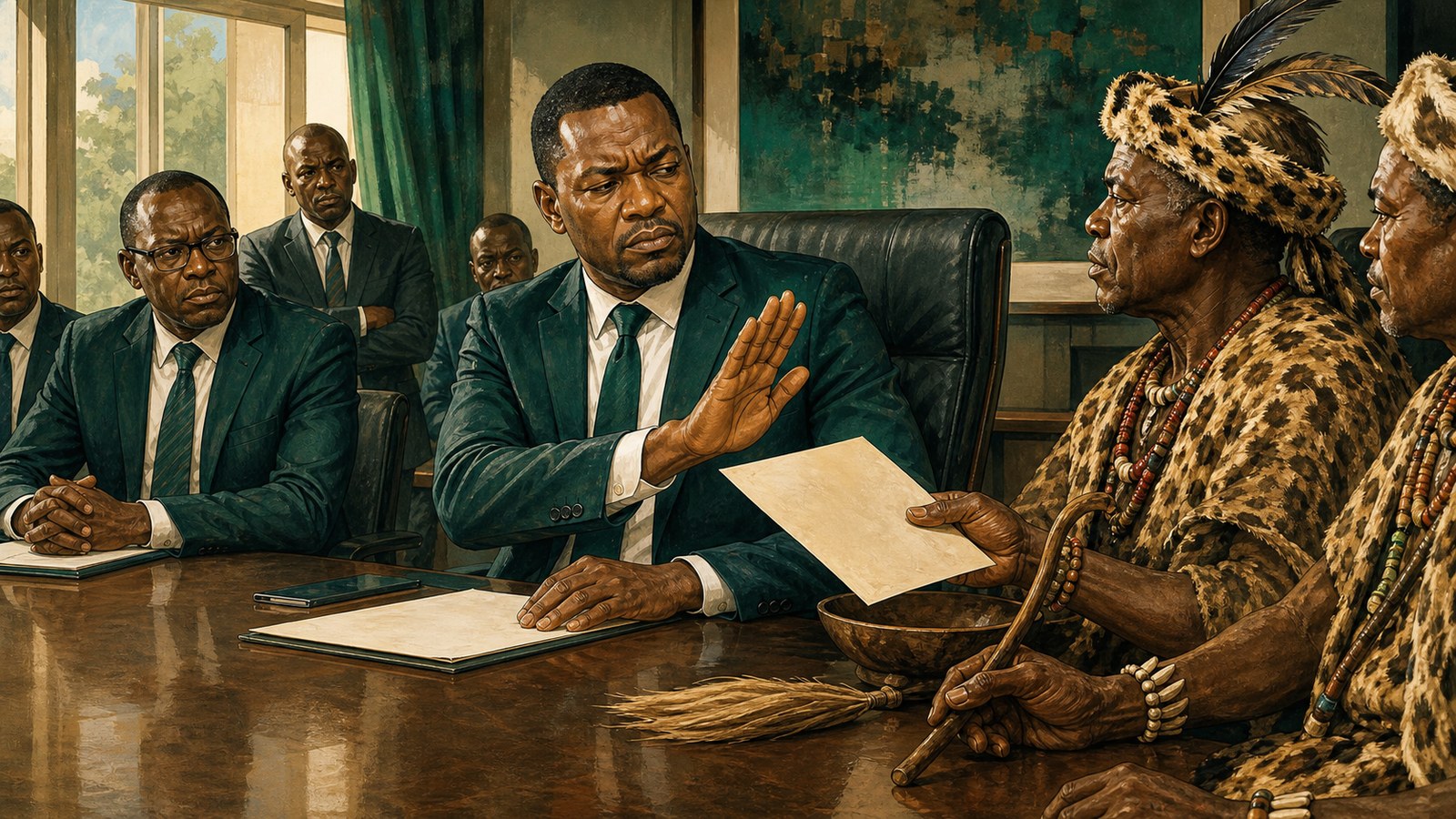
Lusaka Mayor Chitambala Mwewa has drawn a hard line against traditional practitioners after rejecting spiritual and official warnings issued by the Traditional Health Practitioners Association of Zambia (THPAZ). The ongoing friction stems from a rigorous municipal campaign launched by the Lusaka City Council to rid the capital's streets, walls, and public infrastructure of unauthorized and often misleading advertisements posted by self-proclaimed witch doctors and spiritualists. Mayor Mwewa, known for his relentless urban renewal and sanitation initiatives, has refused to bow down to pressure, maintaining that municipal laws and public order must prevail over unverified spiritual threats. The crackdown has turned into a major flashpoint between local governance and traditional practitioners operating within the city. THPAZ had previously raised concerns and issued warnings regarding the aggressive removal of billboards, banners, and posters belonging to traditional healers, arguing that legitimate practitioners were being unfairly targeted alongside fraudulent operators. However, the Lusaka City Council has stood firm, pointing out that many of these street-level advertisements violate local bylaws, deface public property, and prey on vulnerable citizens seeking miraculous solutions to economic and health problems. Mayor Mwewa’s stance has reignited a broader national debate concerning the regulation of traditional medicine and spiritual services in urban centers. While traditional healing is legally recognized and regulated under national frameworks, the proliferation of unregulated practitioners advertising miraculous cures for everything from financial distress to chronic ailments has long plagued Lusaka's neighborhoods. Municipal authorities argue that unchecked advertising creates visual pollution and opens the door for unscrupulous individuals to exploit unsuspecting members of the public under the guise of traditional medicine. Civil society and urban deve