Swap maize, not soldiers: Hichilema sets four rules for Great Lakes mining
REGIONALBy Lusaka Times
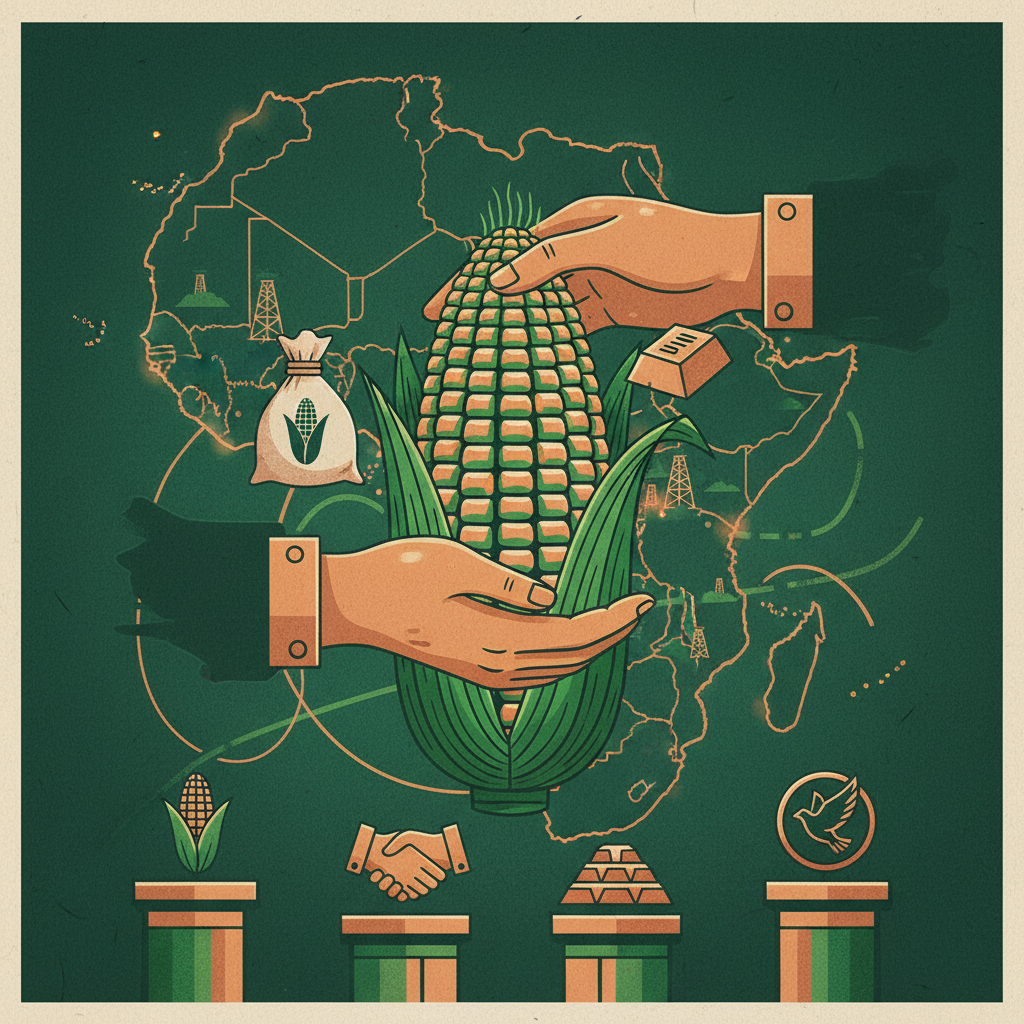
President Hakainde Hichilema on Monday challenged the Great Lakes region to stop running its meetings "the same way for 20 years" as he opened the 20th Ordinary Session of the Regional Inter-Ministerial Committee of the International Conference on the Great Lakes Region (ICGLR) in Lusaka. Zambia hosted the meeting after the DRC was unable to. It coincided with the 20th anniversary of the Pact on Security, Stability and Development in the Great Lakes Region. "How much progress have we made by running our meetings the same way for 20 years? It's time to step outside the box," Mr Hichilema said. He said that one day the region should be "swapping maize" instead of rotating soldiers, adding: "When people have eaten, they behave differently." He also called for non-stop border posts, saying technology makes that possible. In a message on Facebook the President said the message of the day was that "insecurity anywhere is insecurity everywhere", and that regional integration must become real economic transformation. The Grow Zambia Agenda, he said, is "in the end, a regional agenda". In the address, as set out in notes of his speech, Mr Hichilema argued that the ICGLR must shift from resolving conflicts to preventing them. Economic exclusion, he said, is a root cause of instability: hungry and excluded people cross borders and put stress on the whole region, so growth and opportunity are tools of conflict prevention rather than a separate agenda. Mining, he said, is a key flashpoint, and he proposed four rules for regional mining governance: | Rule | What it means | | --- | --- | | Legal | All mining activity must be formalised | | Safe | Proper methods, no mercury, and miners' lives protected | | Formal | Mining must contribute measurably to GDP | | Secure | Mining areas must not breed national or cross-border insecurity | Citizens of the region, including small-scale and artisanal miners, must be deliberately included in mining economies, he said. Trade and invest