BAGS OF GRAIN, NOT BODY BAGS….HH urges Great Lakes to trade Maize instead of bullets
POLITICSBy ZPP Newsroom
Source: Zambian Observer
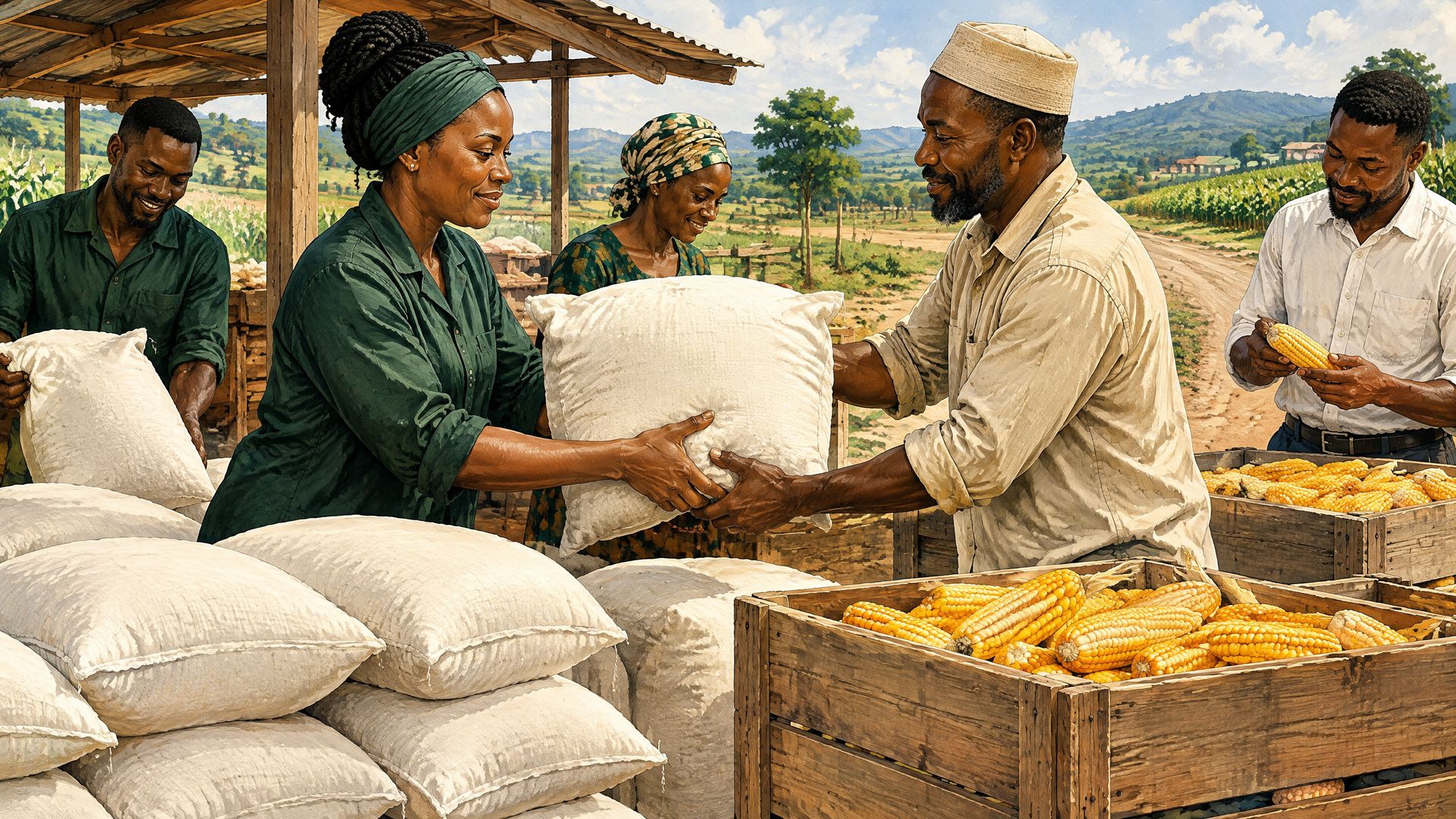
President Hakainde Hichilema has issued a compelling call to action to leaders across the Great Lakes Region, urging them to replace conflict with economic collaboration and food security initiatives. In a keynote address that resonated with delegates, the Zambian leader emphasized that the path to sustainable peace lies in regional trade and mutual development rather than military confrontation and bloodshed. Using the striking metaphor of trading bags of grain instead of bullets, President Hichilema underscored the urgent need to redirect state resources from warfare into agricultural productivity, cross-border commerce, and human development. The high-level deliberations focused heavily on the persistent geopolitical tensions and humanitarian challenges that continue to plague parts of the Great Lakes Region. President Hichilema noted that historical conflicts have too often been fueled by poverty, food insecurity, and the marginalization of local populations. By championing open borders for agricultural commodities, particularly staple foods like maize, member states can stabilize regional markets, mitigate food shortages, and foster deep-rooted economic interdependency that makes war economically and politically unviable. For Zambia, a nation that has historically positioned itself as an oasis of peace and a critical breadbasket in Southern and Central Africa, this diplomatic stance aligns with its broader foreign policy objectives. Lusaka has increasingly advocated for structured regional integration through the Common Market for Eastern and Southern Africa (COMESA) and the Southern African Development Community (SADC). President Hichilema pointed out that regional trade agreements must move beyond rhetoric and translate into tangible frameworks that allow surplus food producing nations to seamlessly supply areas facing deficits, thereby neutralizing the desperation that often breeds insurgency. Political analysts and economic observers have lauded the Pres