Government calls for restoration of ecosystems
ENVIRONMENTBy Lusaka Times — Lusaka Times
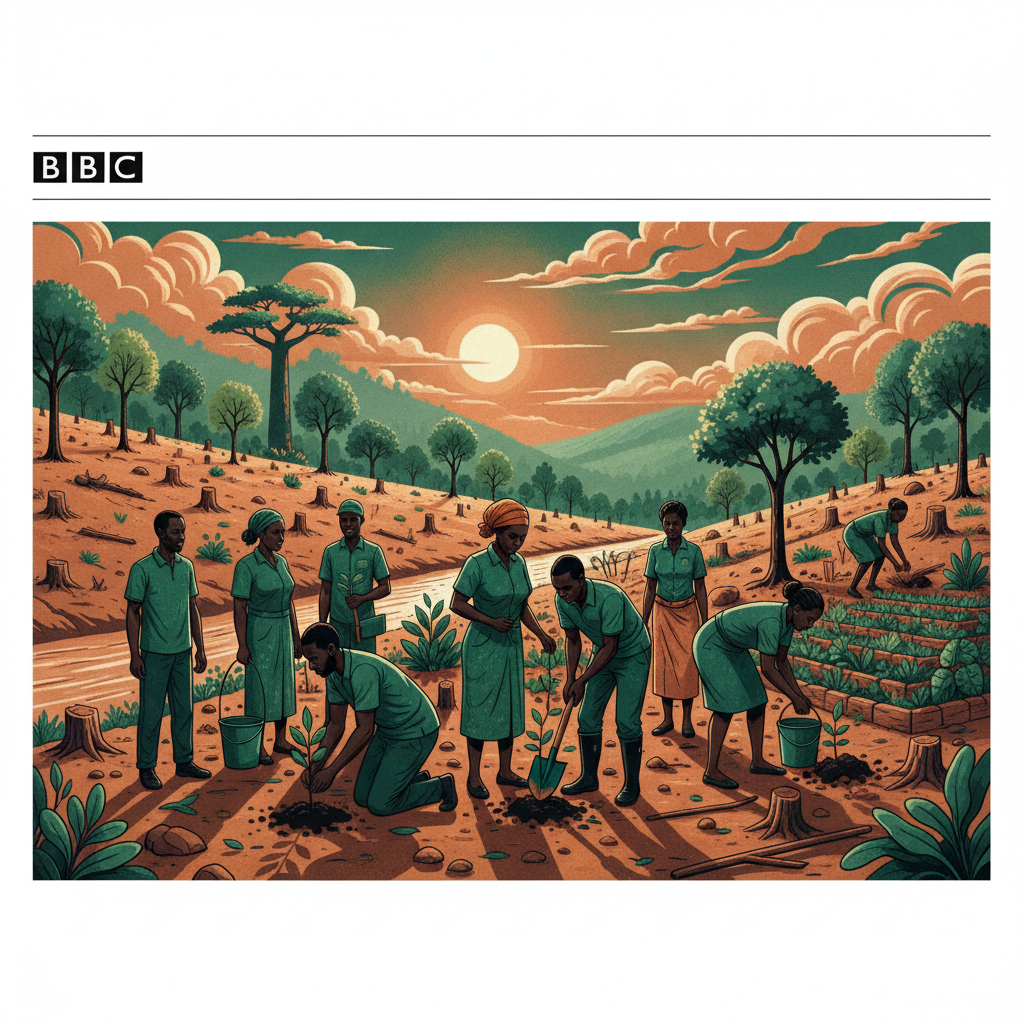
The Zambian government has underscored the critical need for grassroots collaboration in safeguarding and restoring vulnerable local ecosystems, noting that state-led initiatives alone cannot reverse environmental degradation. Speaking during a recent administrative briefing, Isoka District Administrative Officer Sarah Sooli stressed that community involvement remains the cornerstone of sustainable natural resource management and long-term climate resilience. Ms. Sooli pointed out that rural districts like Isoka face mounting ecological pressures driven by deforestation, unsustainable agricultural practices, and erratic weather patterns linked to global climate change. She noted that protecting critical water catchments, forests, and grazing lands requires active stewardship from traditional leaders, local farmers, and civic organizations who interact directly with these natural assets on a daily basis. The call for heightened environmental consciousness aligns with broader national policy frameworks aimed at reversing land degradation and promoting green growth across Zambia's ten provinces. Government ministries have continuously highlighted that deforestation—often exacerbated by charcoal production and shifting cultivation—poses a severe threat to biodiversity, agricultural productivity, and rural livelihoods. By fostering local accountability and integrating traditional conservation knowledge with modern scientific approaches, administrative authorities hope to build localized buffers against environmental shocks. Furthermore, local councils and district administrations are increasingly leveraging decentralized financing mechanisms, such as the Constituency Development Fund (CDF), to support community-based environmental projects. These initiatives range from tree-planting campaigns and woodlot management to soil erosion control measures like stone bunds and swales. Officials maintain that empowering communities with the resources and technical know-how to m