ECZ defends proportional representation seat allocation
POLITICSBy Lusaka Times — Lusaka Times
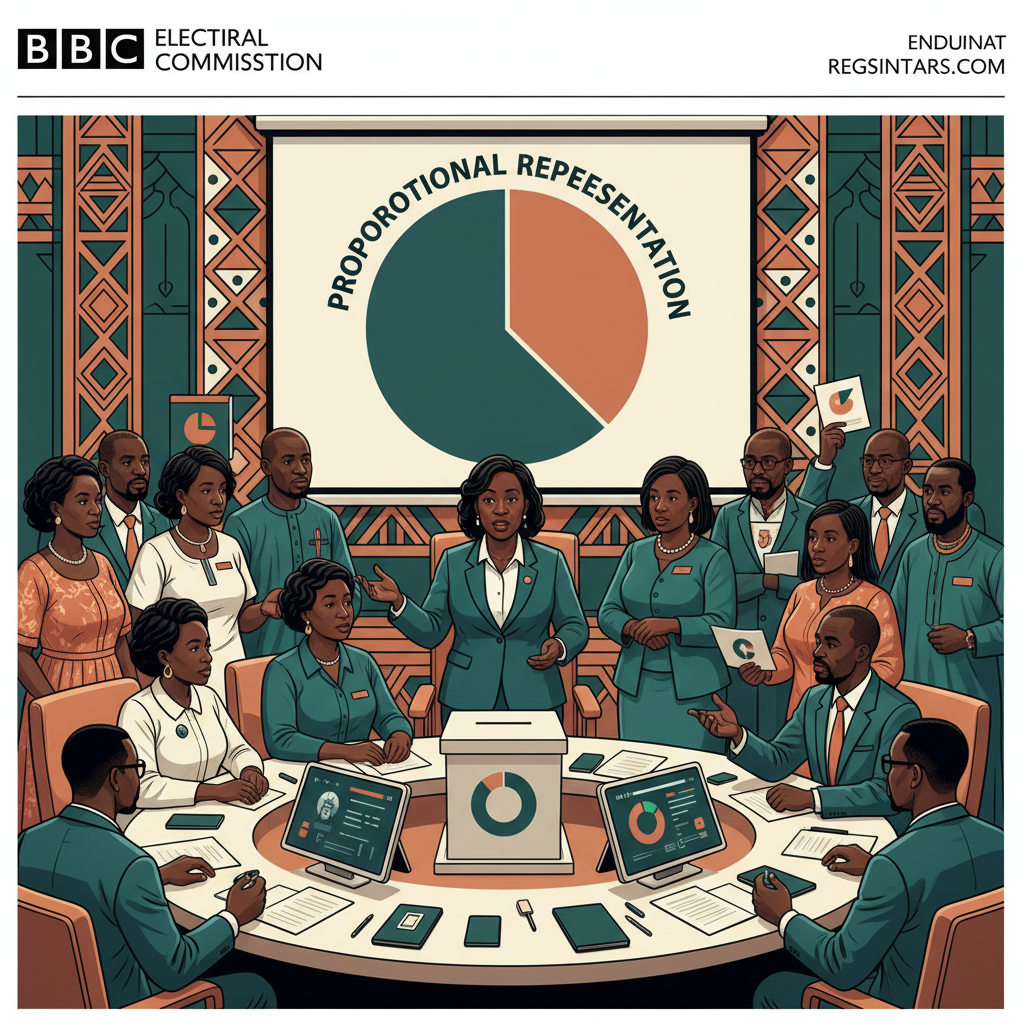
Electoral Commission of Zambia (ECZ) chairperson Mwangala Zaloumis has defended the allocation of proportional representation (PR) seats following the August 13, 2026 general election, insisting that the process adhered strictly to statutory provisions. Addressing a press briefing in Lusaka, Ms. Zaloumis noted that the commission operated within the parameters of the newly operationalized Mixed Member Proportional Representation (MMPR) framework, which was introduced to enhance inclusivity in the National Assembly and local councils. Ms. Zaloumis explained that the distribution of the 40 newly introduced PR seats—reserved specifically for women, youth, and persons with disabilities—was guided by clear formulas and statutory timelines outlined in the Electoral Process Act No. 12 of 2026. According to the ECZ chief, the commission followed a rigid 21-day administrative cycle that encompassed seat calculations, notification of qualifying political parties, the submission of candidate lists, and rigorous validation procedures. The electoral body faced public scrutiny and queries from various political actors regarding the timelines and the reallocation of seats when certain parties failed to meet submission deadlines. However, Ms. Zaloumis maintained that the commission lacked the legal discretion to bypass mandatory statutory consequences. She stressed that the responsibility of submitting verified candidate lists within the stipulated seven-day window lay squarely with the political formations themselves, rather than the electoral administration. This year's general election marked a historic turning point for Zambian democracy, representing the first major test of the MMPR system since the enactment of constitutional and legislative amendments. While the traditional first-past-the-post mechanism continued to determine the majority of single-member constituency seats, the integration of proportional seats was designed to structurally guarantee demographic represent