Motomoto Museum to contribute to Zambia’s tourism target
LIFESTYLEBy Lusaka Times — Lusaka Times
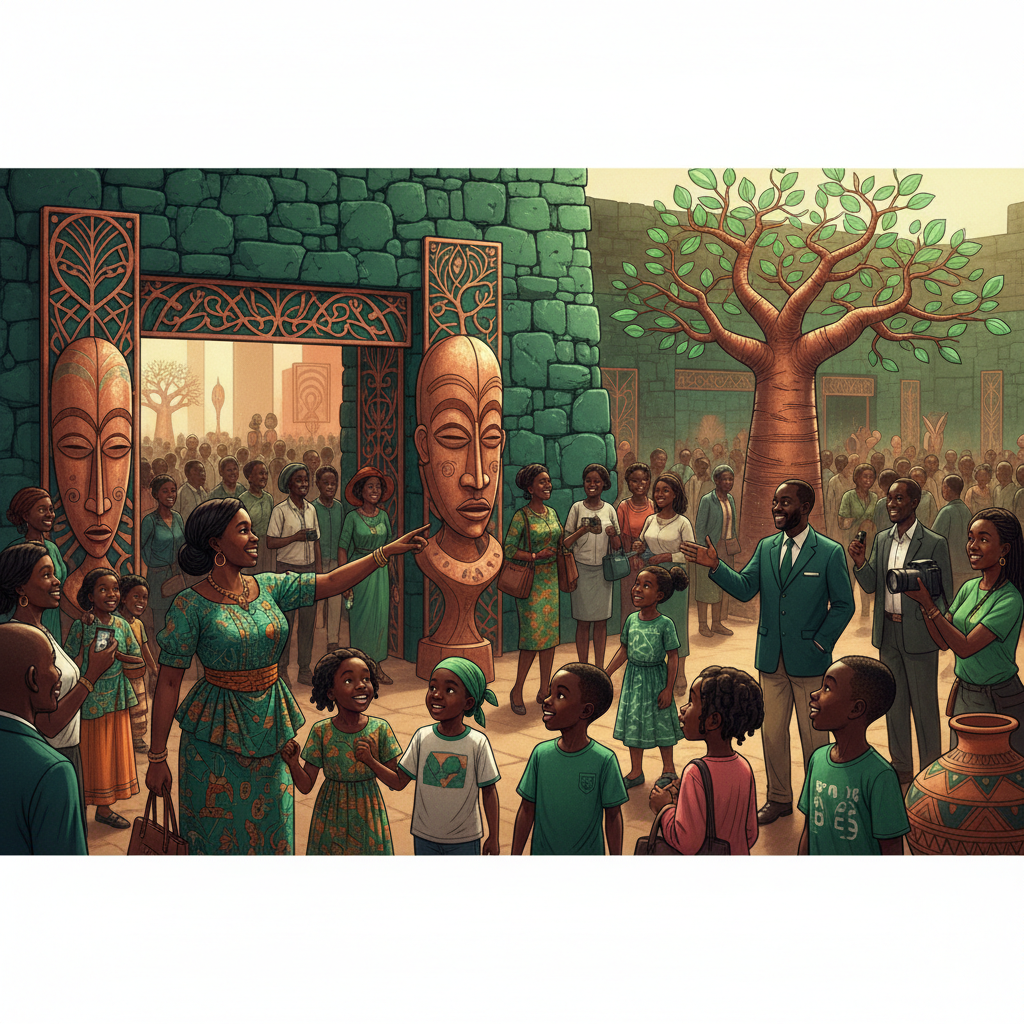
The Moto Moto Museum in Mbala District, Northern Province, has stepped up its advocacy for cultural heritage preservation, emphasizing its potential to meaningfully contribute to Zambia's ambitious national tourism targets. Speaking on the institutional roadmap, Museum Director Audrey Bwanjelala noted that heritage centers across the country possess untapped capabilities to draw both domestic and international visitors, directly feeding into the government's broader economic diversification agenda through tourism. Named after the renowned missionary Father Jean-Jacques Corbeil and housing over 25,000 priceless artifacts, the Moto Moto Museum stands as one of Zambia's premier repositories of indigenous history. From extensive collections detailing the cultural life and traditions of the Bemba people to historical exhibits on early trade, colonial epochs, and regional archaeology, the institution offers a multi-layered educational experience. Ms. Bwanjelala pointed out that integrating these historical assets into modern tourism marketing packages is vital for shifting traveler focus away from traditional wildlife-only itineraries toward immersive cultural engagements. Achieving the national vision of capturing five million tourist arrivals requires decentralized tourism promotion, ensuring that historical hubs outside major urban centers receive adequate institutional backing. Stakeholders in the Northern Province have repeatedly underscored that heritage sites like Moto Moto, when paired with nearby natural wonders such as the majestic Kalambo Falls, form a formidable circuit capable of retaining travelers for longer durations. However, unlocking this full economic potential necessitates sustained infrastructure development, particularly regarding reliable road networks, digital connectivity, and localized hospitality services in Mbala. Recent strategic engagements between museum management, educational institutions, and regional tourism boards signal a renewed m