Zambia Secures Highest Vote at UN Human Rights Council Elections, Leading 15 Nations With 177 Votes
POLITICSBy Zambian Observer — Zambian Observer
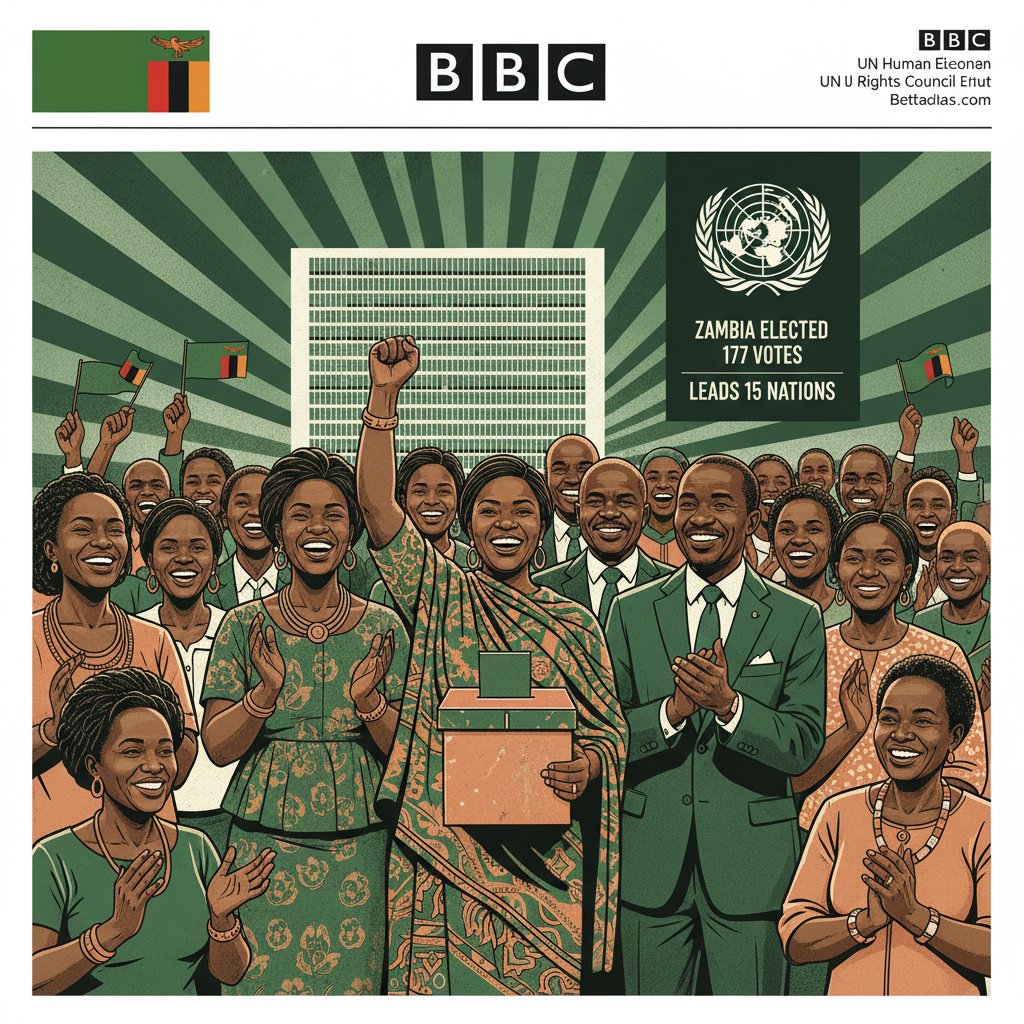
In a major diplomatic triumph for Lusaka, Zambia has secured the highest vote count globally during the United Nations General Assembly elections for membership to the UN Human Rights Council for the 2027–2029 term. Pulling an impressive 177 votes out of the valid ballots cast within the African regional group, Zambia outpaced fellow regional nominees Ghana, Nigeria, and Burundi, while also registering one of the strongest mandates across all global regional blocs. The outcome marks a significant endorsement of Zambia's international standing and active engagement in multilateral diplomacy. The resounding endorsement at the UN headquarters in New York quickly reverberated across the domestic political landscape. Government officials and ruling party defenders seized upon the global backing to counter persistent criticism from domestic opposition factions regarding civic freedoms and human rights administration under the current New Deal administration. Commentators like George Mtonga noted that securing such overwhelming international consensus powerfully refutes domestic narratives suggesting systemic human rights regressions within the country. Elected alongside 14 other nations representing various global regions—including Germany, Ireland, Brazil, and Japan—Zambia is set to officially assume its three-year seat on the 47-member Geneva-based body starting January 1, 2027. The appointment places Lusaka at the center of critical international deliberations concerning human rights standards, accountability mechanisms, and global policy formulation. Diplomatic analysts point out that the cross-regional support reflects broad international confidence in Zambia's democratic trajectory and its constructive posture on international platforms. However, civil society and international observers have offered a more nuanced perspective on the electoral process. Like several previous cycles, the African regional slate was uncontested, featuring four candidates for four ava