Lessons beyond classroom
EDUCATIONBy Zambia Daily Mail — Zambia Daily Mail
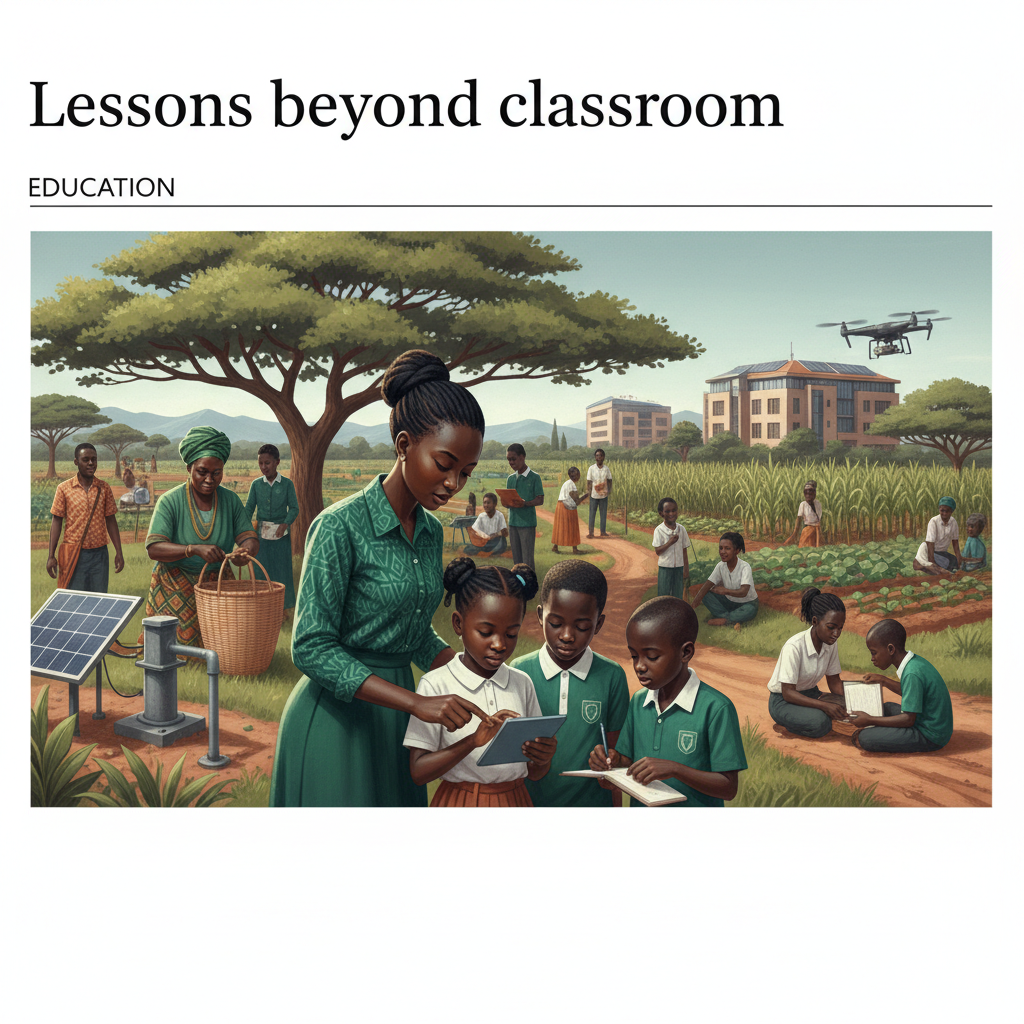
Kitwe District Commissioner Oncemore Ngonomo’s recent call for schools to broaden their educational approach by nurturing students' talents beyond academic performance has sparked important national discourse. Speaking on the Copperbelt, Mr Ngonomo emphasized that educational institutions must actively promote cultural identity and creative skills, ensuring that learners are equipped for diverse professional futures. His remarks resonate deeply with the broader objectives of the government's Grow Zambia Agenda, which seeks to stimulate alternative economic sectors and reduce the nation's historical reliance on traditional industries like mining and agriculture. For decades, the Zambian educational system has heavily prioritized academic excellence, funneling students toward conventional professions such as medicine, law, engineering, and teaching. While these fields remain vital to national development, education experts and policymakers argue that this narrow focus overlooks the immense potential embedded within the creative and sporting sectors. Mr Ngonomo’s intervention underscores a growing recognition that young people possess diverse capabilities that, when properly cultivated, can transform into viable, high-earning careers. Music, film, fashion, dance, and content creation are increasingly recognized as powerful economic drivers capable of generating employment and driving wealth creation. This localized advocacy mirrors sentiments recently echoed at the highest levels of government, including presidential addresses emphasizing the commercialization of Zambia's creative economy. To successfully integrate these disciplines into the national framework, educational stakeholders must overhaul school curricula and extracurricular infrastructure. Establishing dedicated arts programs, sports academies, and vocational training pathways will allow students to hone their crafts from an early age. Furthermore, fostering a strong sense of cultural identity through sch