DRIVERS, COURIERS TAKE YANGO-LINKED FIRMS TO COURT OVER BENEFITS
BUSINESSBy Zambian Observer — Zambian Observer
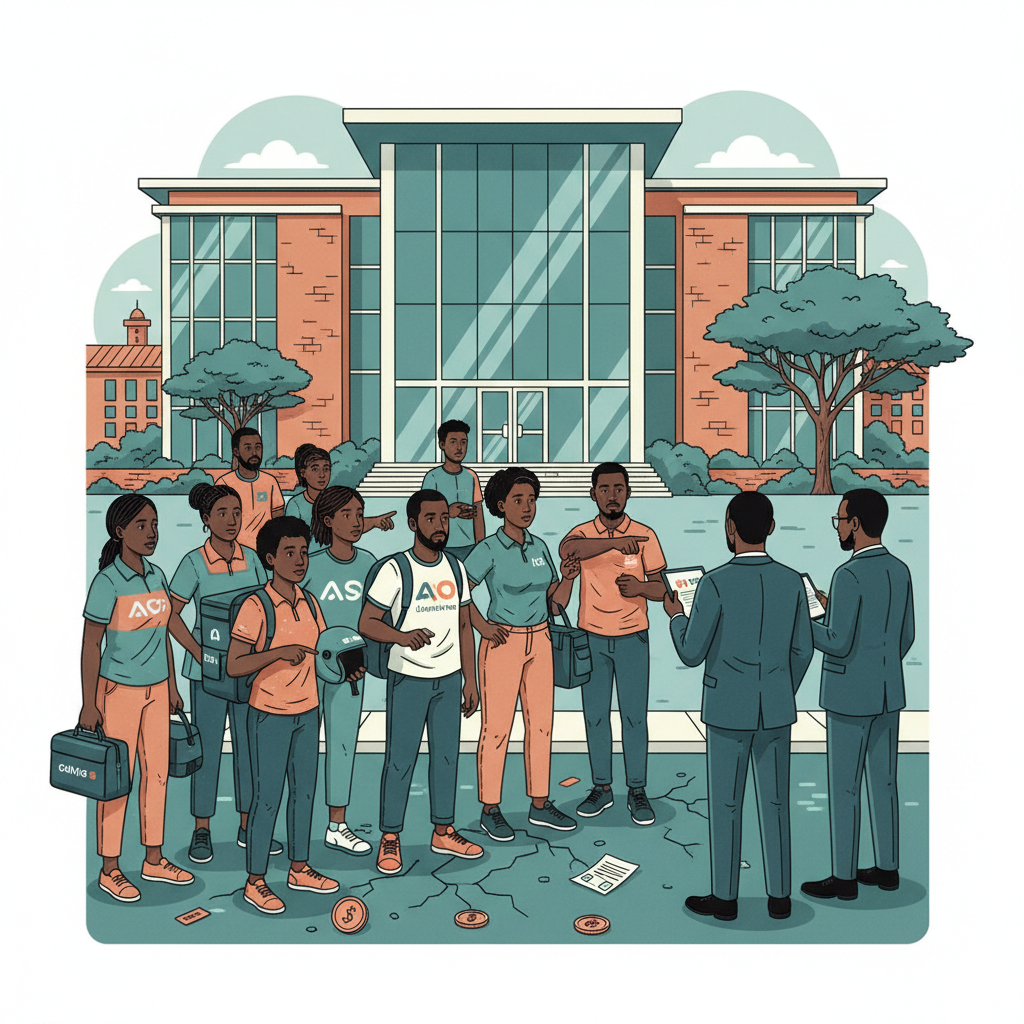
A landmark legal battle is unfolding within Zambia's digital economy as a group of ride-hailing drivers and delivery couriers takes three firms linked to the Yango brand to the High Court for Zambia. Filed at the Principal Registry in Lusaka by representative plaintiff Steven Kayumba on behalf of eleven affected workers, the lawsuit seeks to formally reclassify gig workers from independent contractors to recognized employees. The legal action targets Yango Zam Limited, Yango Delivery Zam Limited, and Yango Deli Zam Limited, demanding full access to statutory employment rights, social security contributions, and accrued benefits. The statement of claim highlights deep structural friction in how app-based transport and delivery services operate across urban centers like Lusaka, Kitwe, and Ndola. According to court documents, the plaintiffs argue that the corporate entities exercise pervasive control over daily operations. This control allegedly extends to dictating fares, delivery charges, commission structures, and incentive programs, while concurrently restricting workers' ability to negotiate pricing directly with end-users. Furthermore, the lawsuit points to algorithmic management practices—such as automated trip allocations, performance monitoring via customer ratings, and unilateral account deactivations or suspensions—as clear indicators of an employer-employee relationship rather than autonomous commercial contracting. Central to the plaintiffs' argument is a challenge against intermediary structures, commonly referred to as fleet operators, service partners, or "partners," which platforms often use to distance themselves from direct labor liabilities. The lawsuit asks the judiciary to look past formal contractual wording and evaluate the practical economic realities of the working relationship. If successful, the legal challenge could force widespread operational restructuring across the country's digital service sector, compelling platform operators to fac