Puma Energy supports Zambia’s energy agenda
BUSINESSBy Lusaka Times — Lusaka Times
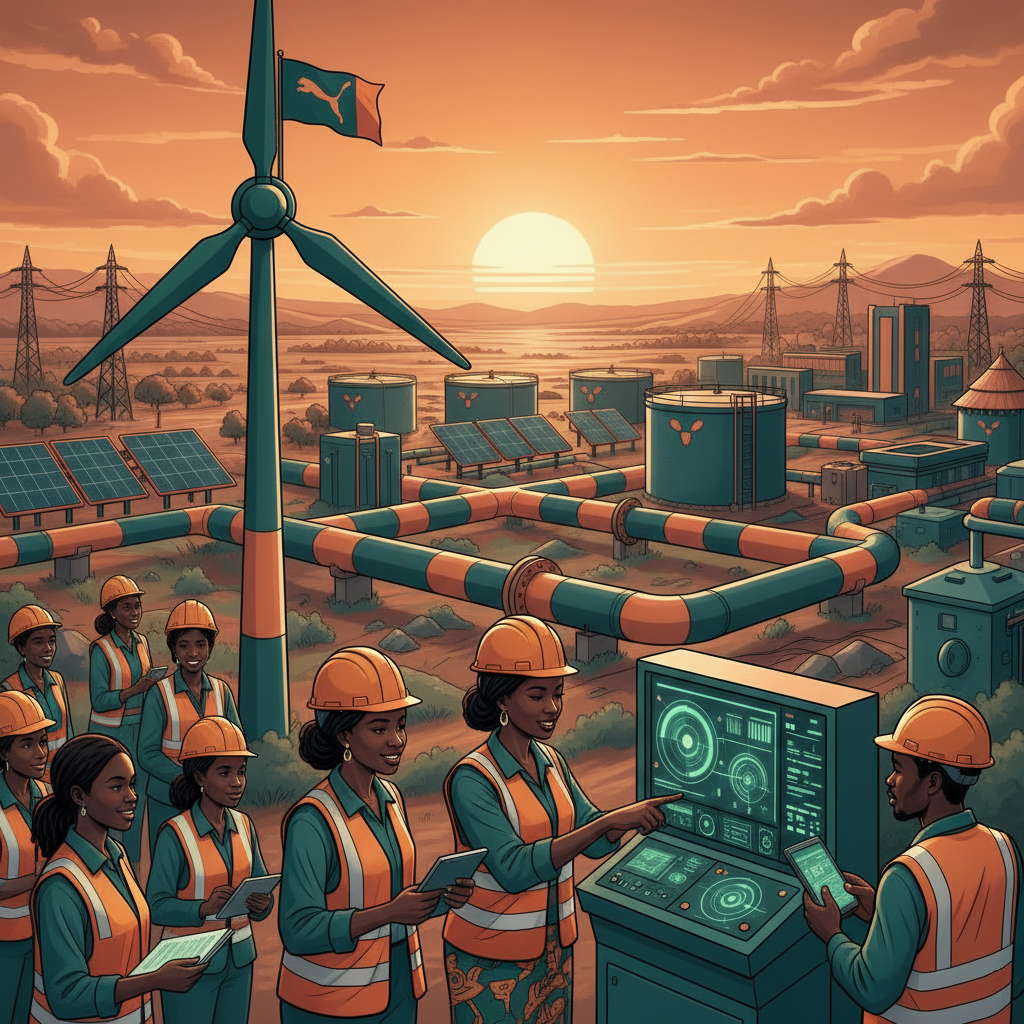
Puma Energy Zambia Plc, a prominent subsidiary of the global Trafigura Group, has officially welcomed the Zambian government's intensified focus on bolstering national energy security and creating a more robust petroleum supply chain. As the country navigates evolving regional energy demands and global market fluctuations, private sector stakeholders have increasingly underscored the necessity of public-private synergy. The company's leadership noted that maintaining a stable and predictable supply of petroleum products is vital for safeguarding critical economic engines, including commercial agriculture, large-scale mining operations, logistics, and small-scale enterprises. Over recent years, Zambia's downstream petroleum sector has undergone substantial structural adjustments, driven by deliberate policy efforts to enhance storage capacities, liberalize infrastructure access, and diversify supply routes. Investments in depot infrastructure—such as Puma Energy's expansion initiatives in Lusaka—have significantly increased national stockholding capacities. These enhancements directly complement broader regulatory frameworks, including the implementation of the TAZAMA Pipeline Open Access Framework, which aims to optimize efficiency, lower transport bottlenecks, and foster a competitive downstream market. Energy security remains a cornerstone of the government's broader macroeconomic agenda, particularly as petroleum imports represent a major component of foreign exchange expenditure and national logistics planning. By forging closer collaborative frameworks with major oil marketing companies, authorities seek to insulate domestic industries from external supply shocks and price volatility. Industry players have observed that predictable regulatory frameworks and transparent licensing procedures are indispensable for encouraging long-term capital investments in terminal storage, distribution networks, and retail infrastructure. Beyond traditional fuel distribution