Tobacco in rural economy: More than cash crop
BUSINESSBy Zambia Daily Mail — Zambia Daily Mail
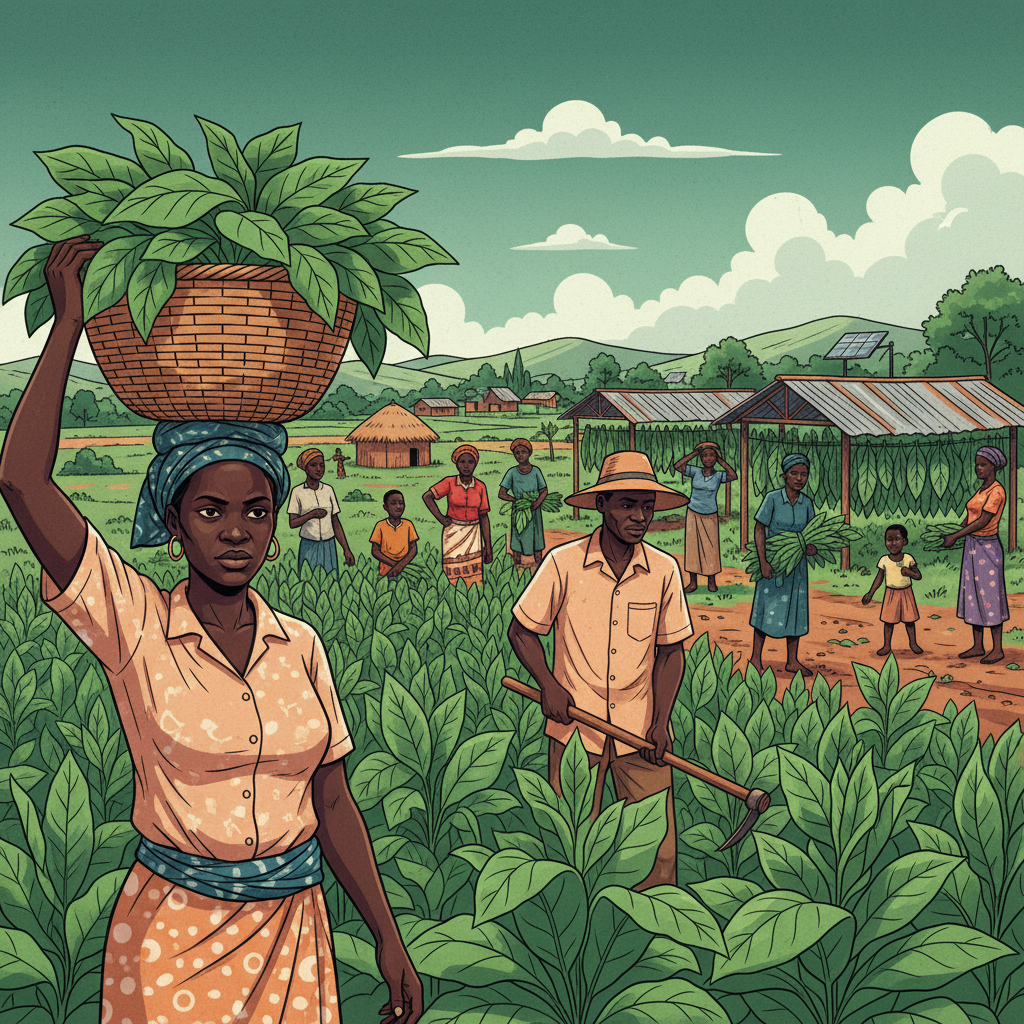
When discussions surrounding tobacco take place in Zambia, the focus is frequently restricted to aggregate production volumes, global export prices, and the mechanics of the annual marketing season. However, viewing tobacco solely through an economic ledger overlooks its profound role as a fundamental pillar of the rural economy. Across major growing regions, particularly in the Eastern, Western, and Central provinces, tobacco cultivation acts as a critical lifeline for tens of smallholder farming communities. Beyond raw macro-economic metrics, the crop influences rural livelihoods, local commerce, and infrastructural development at the grassroots level. The socio-economic footprint of tobacco extends deeply into household welfare, providing structured contract farming arrangements that guarantee ready markets for rural growers. For many smallholders, the revenue generated from tobacco farming finances essential household needs, including children's education, healthcare access, and investments in diversified micro-enterprises. Furthermore, the agricultural value chain stimulates secondary economic activities, creating employment opportunities for transporters, local traders, input suppliers, and seasonal laborers who depend on the crop's seasonal cycle for their daily sustenance. Despite its localized economic benefits, the sector navigates complex challenges, ranging from environmental sustainability concerns—such as deforestation linked to curing—to global anti-smoking advocacy and health policy pressures. Regulatory bodies like the Tobacco Board of Zambia (TBZ) have increasingly emphasized the adoption of sustainable farming methods, including agroforestry and eco-friendly curing techniques, to balance commercial gains with ecological preservation. Collaborative frameworks, such as partnerships with domestic fertilizer manufacturers, are also being forged to lower input costs and improve profit margins for vulnerable small-scale farmers. Ultimately, evaluatin