ZAMBIANS HOW DULL AND FOOLISH ARE WE THAT A CHEAP CADRE CRIMINAL JJ BANDA CAN FOOL EVEN US THE MOST EDUCATED PEOPLE IN ZAMBIA
POLITICSBy Lastone Simbayi — Zambian Observer
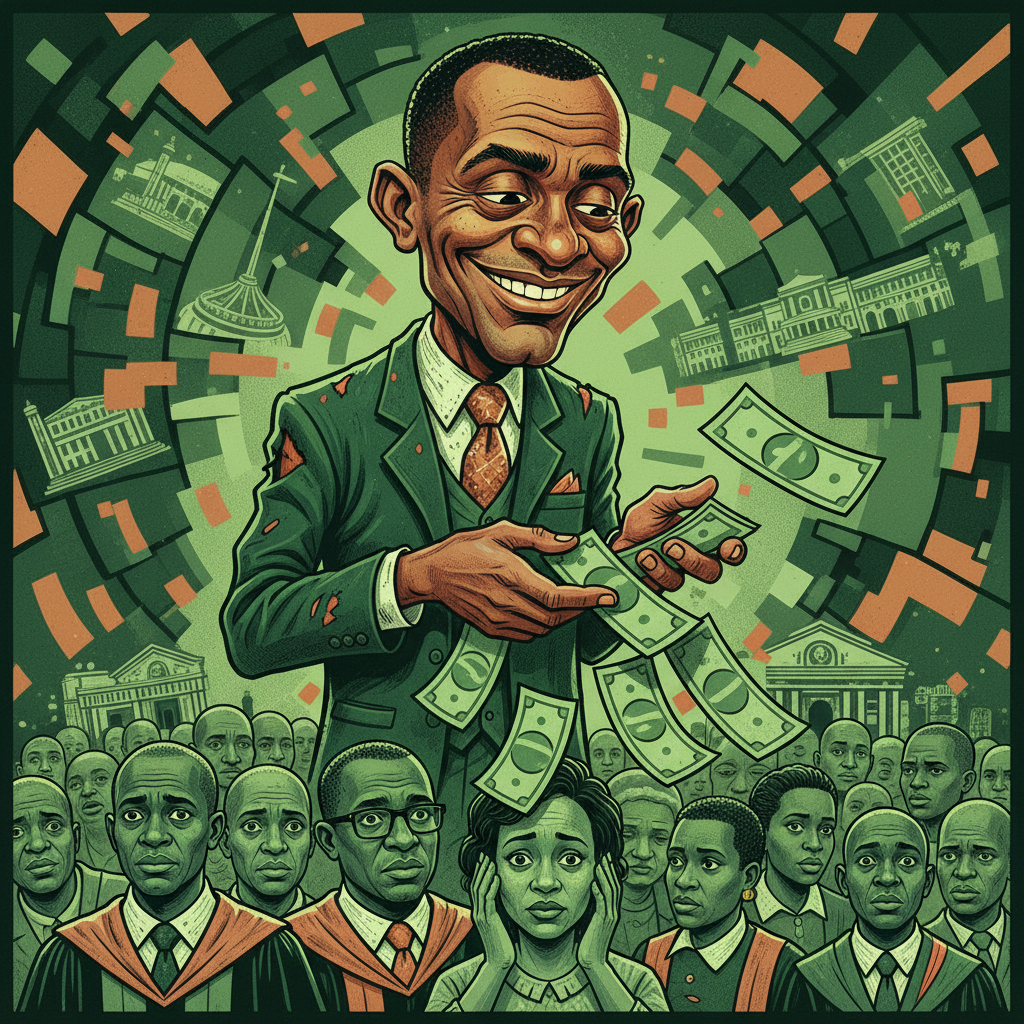
The political landscape in Zambia has once again been thrown into sharp focus following intense public commentary regarding the influence of high-profile political figures and online commentators on national discourse. Debates frequently center on the dynamics of political communication, public engagement, and the ways in which various actors shape public opinion across traditional and digital media platforms. Observers note that political exchanges often reflect deep-seated frustrations regarding how information and narratives are managed by both ruling and opposition alignments. In recent months, discussions involving local political coordinators and analysts have highlighted a growing tension over the allocation of public attention. Critics within political parties have frequently voiced concerns about the efficacy of official communication strategies, arguing that administrative responses often lag behind rapid, opposition-driven narratives spread across social media. This ongoing digital contest has transformed how political messaging is received by an increasingly connected electorate, particularly as citizens utilize online forums to debate governance, leadership, and accountability. At the heart of these discussions is the broader question of political maturity and civic engagement in Zambia's democratic space. Analysts point out that the proliferation of social media platforms has democratized political commentary, allowing individual actors and commentators to wield substantial influence over daily talking points. However, this shift has also led to polarized exchanges, where sharp rhetoric often overshadows policy-oriented dialogue. Political commentators emphasize that governing and opposition parties alike must adapt to these shifting communication channels to maintain credibility and effectively engage the public. As the nation looks toward future electoral cycles, stakeholders across the political spectrum continue to evaluate the impact of digital