I WANTED POLITICAL POWER TO CHANGE LIVES. PERHAPS THERE IS ANOTHER WAY-Derrick Mwiinga Hachiwele
POLITICSBy Derrick Mwiinga Hachiwele — Zambian Observer
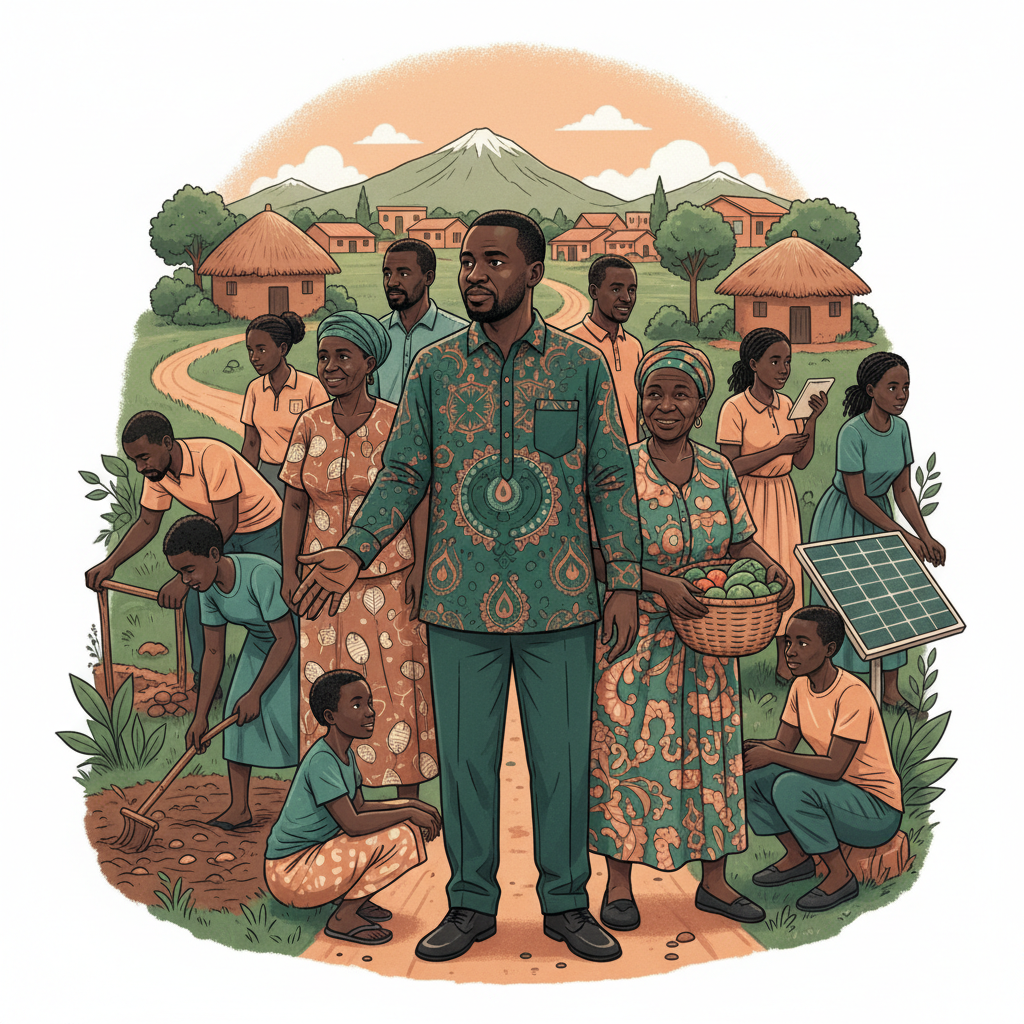
The pursuit of political office in Zambia has long been viewed as the premier vehicle for effecting societal change, yet the reality on the ground often presents a grueling test of resilience for aspiring leaders. Derrick Mwiinga Hachiwele, a notable figure who sought adoption under the ruling United Party for National Development (UPND) banner for both the 2021 and recent 2026 elections, has candidly shared his introspection after failing to secure party backing. His public reflection touches upon a sentiment shared by many ambitious citizens who enter the political arena driven by a desire to transform grassroots livelihoods, only to encounter the stiff competition and gatekeeping inherent in major political party structures. Securing political adoption within Zambia's major political formations, such as the ruling UPND, is notoriously competitive. With thousands of qualified candidates vying for limited parliamentary and local government slots, internal party mechanisms often leave many dedicated members disappointed. Hachiwele's candid admission that "there is another way" to change lives speaks volumes about the disillusionment that can set in when institutional pathways to leadership appear blocked. It underscores a growing conversation within Zambian civic spaces regarding whether direct political representation is the sole or even most effective mechanism for driving community development and economic empowerment. In a developing democracy like Zambia, the intersection between political ambition and civic contribution remains complex. Civil society actors, entrepreneurs, and community organizers frequently argue that impactful change can be engineered outside the corridors of formal state power. By pivoting away from partisan politics, individuals can often bypass bureaucratic bottlenecks and political polarization to directly address pressing socioeconomic challenges, ranging from youth unemployment to agricultural innovation and local enterprise developm